The 20th Francophonie Summit kicked off in Phnom Penh, Cambodia, with leaders from member countries of the Organisation internationale de la Francophonie (OIF) gathering to discuss pressing issues of peace and stability. The two-day summit, taking place on November 14-15, is centered around the theme "Réinvestir dans la paix pour une prospérité partagée et une stabilité durable" (Reinvesting in peace for shared prosperity and sustainable stability). This theme reflects the organization's efforts to reposition itself on the global stage, particularly in the face of rising tensions worldwide.
The summit is expected to yield concrete outcomes, including the election of a new secretary general for the 2027-2030 mandate. This position will play a crucial role in shaping the organization's future direction and its ability to address contemporary crises. The leaders will also adopt the Déclaration de Phnom Penh, a document that will formalize the commitments made during the summit. The declaration is anticipated to outline key areas of focus for the organization in the coming years.
The Francophonie Summit has significant implications for the 90 states and governments that make up the OIF, including 53 full members, five associate members, and 32 observers. By convening in Phnom Penh, the organization is demonstrating its ambition to expand its reach beyond its traditional African and European strongholds. This marks the first time Cambodia has hosted the summit, and the first time it has been held in Southeast Asia since 1997.
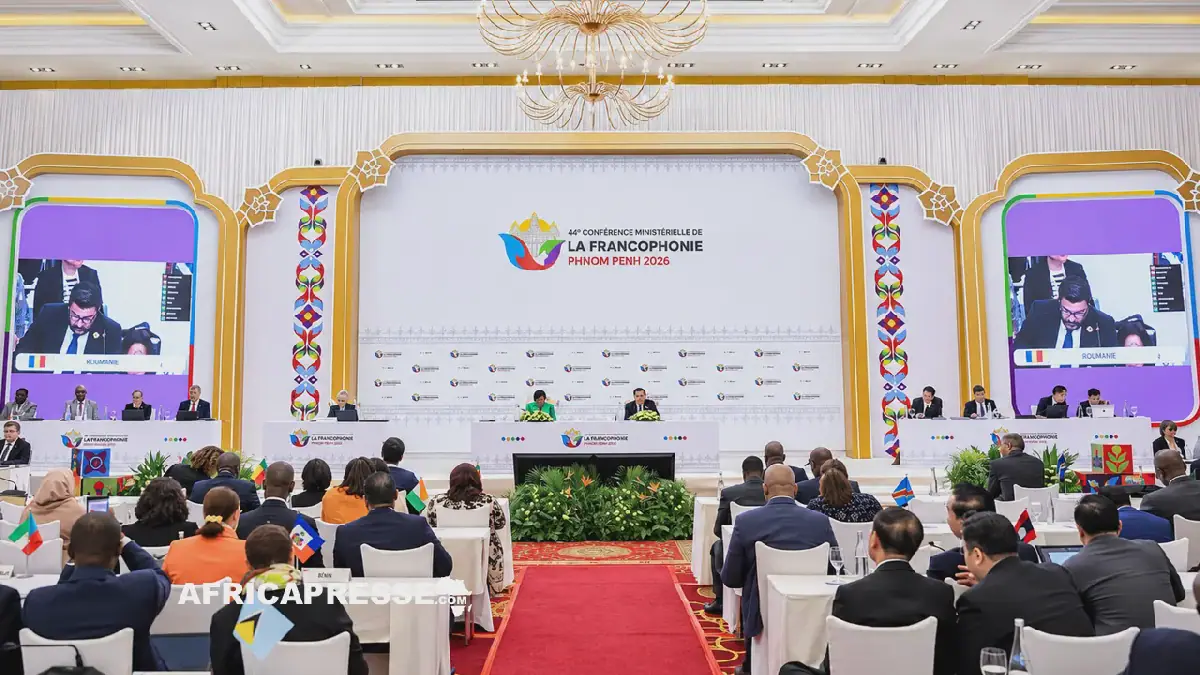
In preparation for the summit, the 48th Conférence ministérielle de la Francophonie took place on November 13, chaired by Cambodian Deputy Prime Minister Prak Sokhonn. The conference examined key issues, including politics, cooperation, and proposed texts to be submitted to heads of state. The ministerial conference set the stage for the summit's discussions, which are expected to yield tangible results.
Outgoing Secretary General Louise Mushikiwabo presented an update on the implementation of recommendations from the 19th summit, highlighting progress in areas such as supporting francophone candidatures, education, and promoting multilingualism. These initiatives will need to be continued and funded to ensure the organization's goals are met. Mushikiwabo also inaugurated the Village de la Francophonie on November 13, which features an exhibition showcasing the diversity of the francophone space.
The summit also provided an opportunity for representatives of francophone youth to present ten recommendations aimed at promoting employment, access to opportunities and financing, and youth participation in public decision-making. These proposals were developed following a consultation organized in Lomé, Togo, in October. It remains to be seen what concrete actions will be taken in response to these recommendations.
As the summit comes to a close, attention will turn to the implementation of the Déclaration de Phnom Penh and the election of the new secretary general. The organization's ability to translate its commitments into tangible programs and actions will be crucial in determining its relevance and effectiveness in addressing global challenges. The Francophonie Summit serves as a vital platform for promoting peace, stability, and cooperation among its member countries.
Key points
- The 20th Francophonie Summit in Phnom Penh focuses on peace and stability, with leaders discussing key issues and electing a new secretary general.
- The summit aims to promote shared prosperity and sustainable stability, reflecting the organization's efforts to reposition itself on the global stage.
- The organization's expansion into Southeast Asia, marked by the first-ever summit in Cambodia, demonstrates its ambition to grow beyond traditional strongholds.