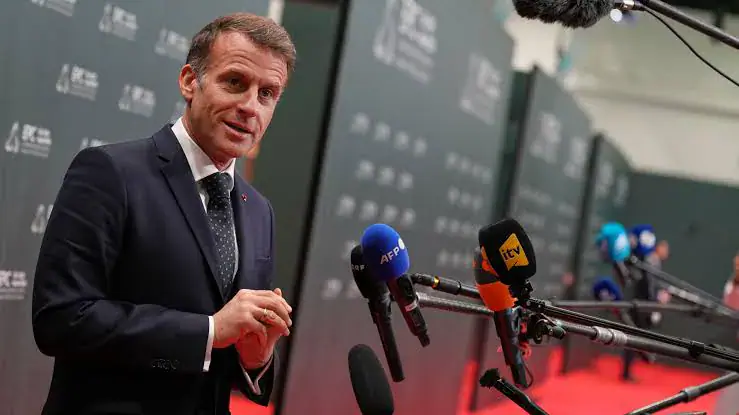
Leaders from French-speaking nations convened in Cambodia on Saturday for the 20th Francophonie Summit, a major international meeting overshadowed by deep African diplomatic rifts and domestic turmoil in France. French President Emmanuel Macron joined nearly 20 heads of government in Phnom Penh for the three-day biennial talks hosted by the Organisation internationale de la Francophonie, known as the OIF. The bloc unites 90 member states and governments, comprising 53 full members, five associate members, and 32 observers representing nearly 400 million French speakers worldwide.
A bitter leadership battle rooted in the conflict in eastern Democratic Republic of Congo threatens to fracture the organization. The incumbent Secretary-General Louise Mushikiwabo of Rwanda is seeking a third four-year term. Congo had nominated Juliana Lumumba, the daughter of the country’s martyred independence hero, Patrice Lumumba, but Kinshasa abruptly withdrew Lumumba from the race on Saturday. Congolese officials announced they were throwing their support behind former Romanian Prime Minister Dacian Ciolos to allow “consensus around a unifying candidacy.”
The leadership dispute reflects escalating hostilities along the Congolese-Rwandan border. Congo, the United States, and United Nations experts accuse Kigali of backing the M23 rebel group, one of roughly 100 armed factions fighting for control in mineral-rich eastern Congo. Rwanda consistently denies supporting armed groups in Congolese territory. The rivalry has led to tensions between the two nations, with Congolese officials threatening to quit the OIF entirely if Mushikiwabo wins another term.
Losing Congo would deal a severe demographic and cultural blow to the bloc, as it is the world’s most populous nation where French is an official language, with over 110 million citizens. This would outnumber France by more than 40 million people. France wields substantial sway over Monday’s leadership vote as the primary financial backer of the OIF’s 2026 budget of €71.7 million.
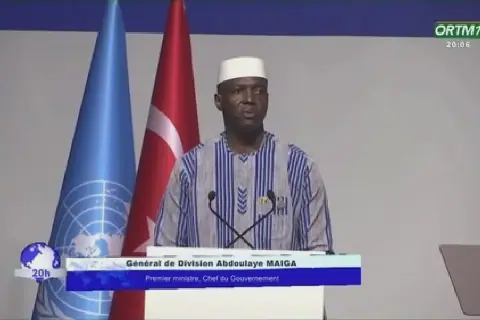
However, Paris faces growing pushback across its former African sphere of influence. The current diplomatic standoff follows the March 2025 departures of Mali, Niger, and Burkina Faso from the bloc. Those three Sahel nations announced their exits after the OIF suspended their memberships following military coups. Malian authorities argued the suspensions violated national sovereignty.
Macron arrives in Southeast Asia while confronting severe political pressure at home. Earlier this month, more than 600,000 demonstrators flooded French streets in protest. The French President must balance diplomacy with domestic unrest, all while navigating the complex landscape of Francophone Africa.
The Francophonie Summit will conclude on Monday, with leaders set to select a secretary-general to serve as the bloc’s chief executive for the next four years. The outcome of the leadership vote will likely have significant implications for the future of the OIF and its role in promoting French language and culture around the world.
Key points
- The 20th Francophonie Summit is being held in Phnom Penh, Cambodia, with French President Emmanuel Macron attending.
- A leadership dispute between Rwanda and Congo threatens to fracture the Organisation internationale de la Francophonie.
- The OIF faces growing pushback across its former African sphere of influence, with several nations having recently departed or suspended their memberships.
Reporting sources
- Francophone leaders hold summit in Cambodia as central African conflict threatens diplomatic rift · Ghana Broadcasting Corporation