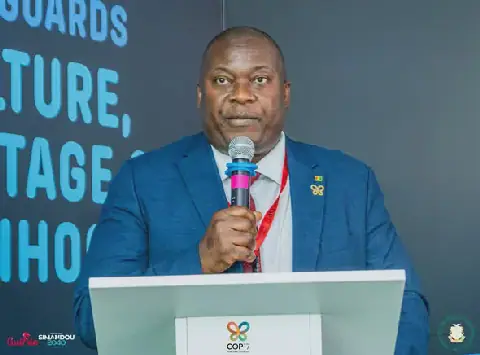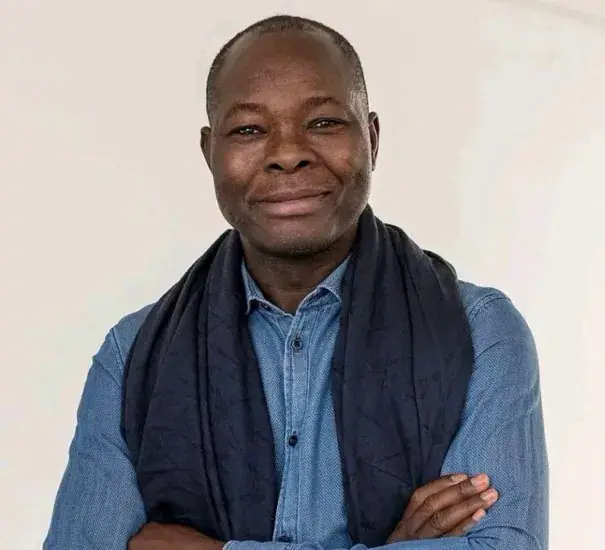
Renowned Burkinabè architect Francis Kéré, winner of the Pritzker Prize, has called on African decision-makers, architects, and communities to adopt local materials in construction. Speaking at the opening of the International Forum on the Living Environment (Fic 2026) in October, Kéré emphasized the need to break away from imported models and prioritize local materials, cost-effectiveness, and climate sensitivity. This approach, he believes, is crucial for developing sustainable and context-specific architecture in Africa.
Kéré argues that replicating Western architectural models, which were designed for different environmental conditions, can lead to inadequate buildings in Africa. These models often require expensive cooling systems and technical equipment, which can be financially unsustainable for many African countries. Instead, Kéré advocates for a design approach that combines sobriety, territorial anchoring, and community participation. His philosophy, "construct better with less," aims to reduce costs without compromising the solidity, comfort, or aesthetic quality of buildings.
The architect's own experience illustrates this approach. When building a school in his village, Kéré used local materials, such as earth, to create a cost-effective and sustainable solution. This experience shaped his vision of architecture, which emphasizes the use of locally available materials like earth, wood, and stone. By utilizing these materials, architects can reduce dependence on industrial materials, lower energy needs, and promote local economic development.
Kéré seeks to challenge the perception that earth is only suitable for impoverished communities. He believes that demonstrating the technical possibilities, economic benefits, and aesthetic potential of earth construction can help overcome this prejudice. The use of local resources can also foster the development of local skills, support traditional craftsmanship, and create economic activity around construction.
While prioritizing economy and environment, Kéré also emphasizes the importance of aesthetics. He believes that buildings constructed with alternative materials must be beautiful and inspiring, as people expect their surroundings to be attractive. This is particularly crucial for families investing significant portions of their income in housing. Kéré encourages architects and urban planners to explore the forms, textures, and possibilities offered by local resources.
The architect urges public decision-makers to integrate environmental considerations into their choices and promote the use of local resources in public infrastructure projects, such as schools, hospitals, and buildings. He also calls on leaders to mobilize communities and support initiatives that can transform sector practices. The construction sector significantly contributes to carbon emissions, making it essential to adopt less polluting solutions.
By adopting local materials and context-specific design approaches, Africa can develop more sustainable and resilient architecture. Kéré's advocacy for local materials and community-driven construction methods offers a promising path forward for the continent's development. As the sector continues to evolve, it is crucial for stakeholders to prioritize environmental considerations, economic sustainability, and aesthetic appeal in their projects.
Key points
- Francis Kéré advocates for the use of local materials in African construction to promote sustainability and reduce costs.
- The architect emphasizes the need to challenge the perception that earth construction is only suitable for impoverished communities.
- Kéré urges public decision-makers to integrate environmental considerations into their choices and promote the use of local resources in public infrastructure projects.