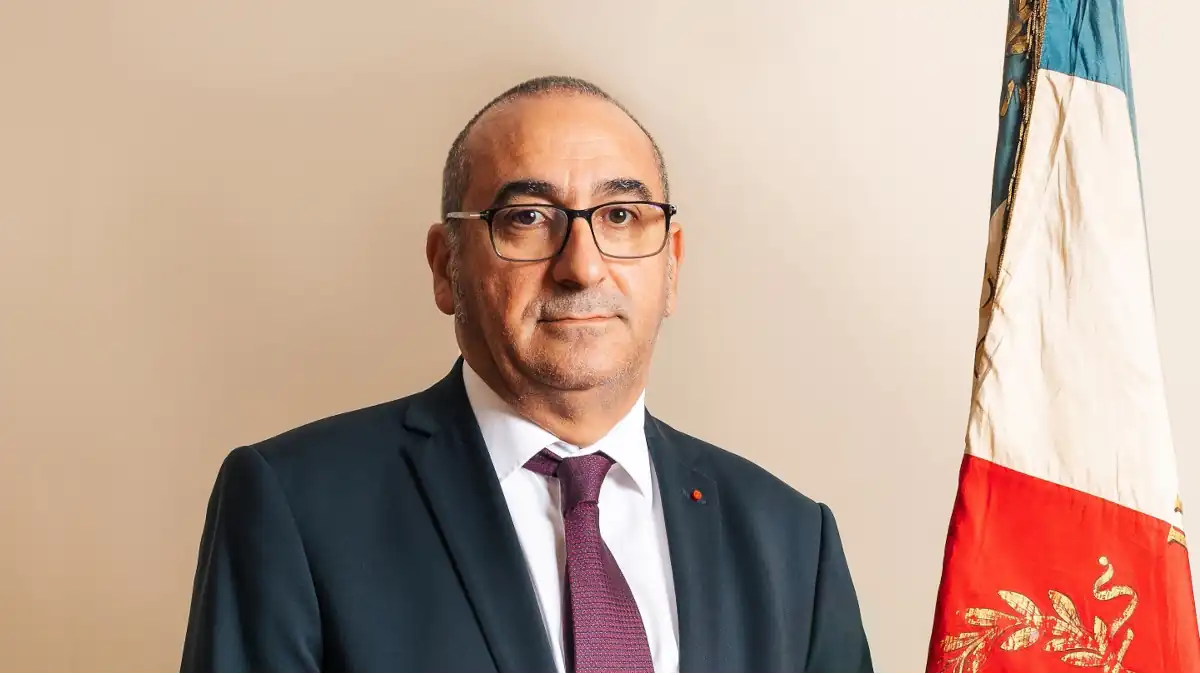
The French government is introducing a new security dispositif to counter the growing threat of Russian hybrid warfare. As part of this initiative, each prefect will establish a dedicated cell within their department to focus on security and defense. This move follows President Emmanuel Macron's recent statement that the nature of Russian aggression and threats in Europe is changing. The cells will bring together local police, gendarmerie, and intelligence agencies, as well as private sector and associative actors.
The new security cells will aim to identify vulnerable targets within their territories, including power plants, telecommunications networks, and strategic industrial sites. They will also focus on less obvious targets, such as small and medium-sized enterprises (SMEs) involved in production or logistics supporting Ukraine. According to RTL, a high-ranking official described this change in approach as "changing levels." The cells will be tasked with mapping out the weak points in their areas and developing strategies to address them.
One of the initial tasks of these cells will be to inventory citizens engaged in various civil and military reserves, to eliminate duplication and determine who would be mobilizable in the event of a crisis. This effort is part of a broader plan to protect critical infrastructure from drone attacks and cyber intrusions, particularly in sectors such as energy, transportation, and water distribution. President Macron has warned that these attacks will not go unanswered, although the specifics of the response remain unclear.
The French government's decision comes in response to a series of incidents in Europe over the past few months. Drones have temporarily closed airports in Denmark and Germany, while a drone packed with explosives targeted the Leipzig airport in August. There have also been reports of drone incursions over Poland, Romania, and the Baltic states, as well as damage to underwater cables in the Baltic Sea under suspicious circumstances.
The sabotage of the Nord Stream gas pipeline in September 2022 is seen as a key incident in this series of unclaimed attacks, which Western intelligence services attribute to Russian interests. In response, several European countries have increased surveillance of their sensitive infrastructure. France is now seeking to structure its response at the local level, leveraging its existing network of prefects who have been mobilized during past crises.
The French Minister of the Interior, Laurent Nuñez, has convened a meeting of zone prefects, attended by the Minister of the Armed Forces and the Secretariat General for Defense and National Security (SGDSN), to formalize this territorial mobilization. The government has asked prefects to establish their local security cells within the next few weeks, bringing together a range of stakeholders to address the evolving threat landscape.
The French move reflects a growing recognition of the need for a coordinated and multi-faceted response to Russian hybrid warfare. By engaging local authorities, private sector actors, and civil society organizations, the French government aims to bolster its defenses and build resilience at the local level. As the situation continues to evolve, the effectiveness of this new dispositif will be closely watched.
Key points
- France to establish local security cells in each department to counter Russian hybrid warfare
- The cells will focus on identifying vulnerable targets and developing strategies to address them
- The move is part of a broader European response to the growing threat of Russian aggression