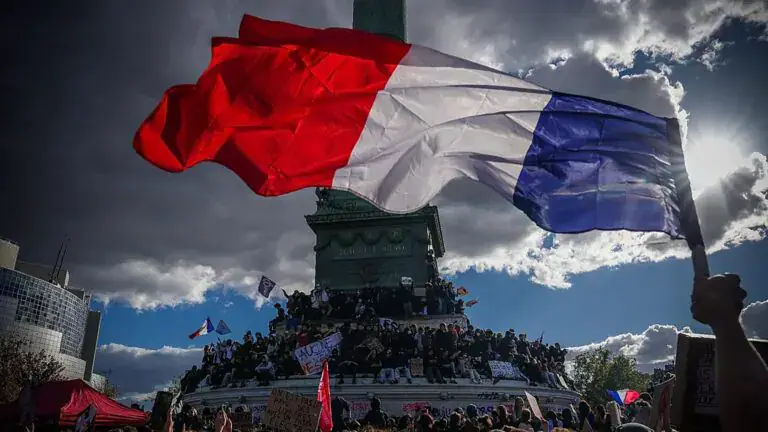
On Saturday, November 28, protests erupted in over 30 French cities, including Paris, Lyon, Lille, and Marseille, as thousands demanded improved living conditions and an end to violence against women. The demonstrations were led by labor unions, student groups, and women's associations, as well as the "Yellow Vests" movement, which has been calling for protests for the seventh consecutive Saturday. The protests aimed to push for better living conditions and greater social justice.
The protests coincided with the International Day for the Elimination of Violence against Women, marked on November 25. Women's rights groups organized marches and rallies to demand stronger protection for women and to condemn violence and discrimination. In Paris, two main marches took place, one starting from the Republic Square and the other from the Pantheon Square, with participants calling for stronger legal and social guarantees to protect women.
The protests in Paris and other major cities were not limited to women's rights groups, as student groups and supporters of the "Yellow Vests" movement joined in, seeking to unify social and rights agendas. The protests aimed to express frustration with economic and social policies and to push for change. The demonstrations were largely peaceful, with participants calling for improved living conditions, better wages, and an end to violence against women.
In anticipation of the protests, French authorities raised the alert level and tightened security measures. The Interior Minister instructed prefects and security forces to ensure the safety of the demonstrations and to intensify field monitoring, particularly around Christmas markets. The authorities also deployed mobile security units and monitored protest movements before the marches began.
The protests came as a test for French unions and social movements, which have seen a relative decline in participation in recent weeks. Despite this, the protests demonstrated the continued mobilization of various groups demanding change. The protests also highlighted the complexity of the issues at stake, with multiple demands and agendas being pushed by different groups.
The French government has faced criticism for its handling of social issues, including the cost of living and violence against women. The protests reflect a broader discontent with economic and social policies, and a desire for greater social justice. The government has promised to address some of the demands, but protesters remain skeptical about the pace of change.
The protests will likely continue in the coming weeks, as unions and social movements push for greater concessions from the government. The "Yellow Vests" movement, in particular, has shown a determination to continue protesting until its demands are met. The government will need to balance the need to maintain order with the need to address the underlying issues driving the protests.
Key points
- Thousands protest across France demanding improved living conditions and an end to violence against women.
- Protests coincide with International Day for the Elimination of Violence against Women.
- French authorities raise alert level and tighten security measures in anticipation of protests.