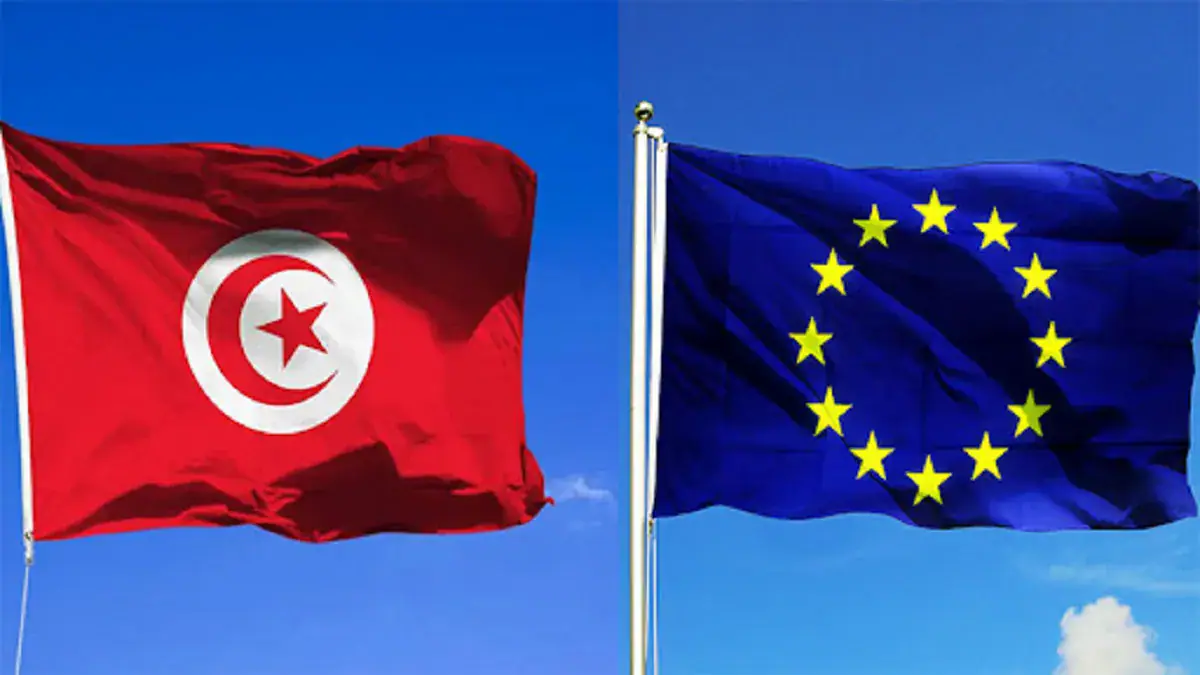
French Minister for Europe and Foreign Affairs, Jean-Noël Barrot, recently had a phone conversation with Tunisian Minister of Foreign Affairs, Migration, and Tunisians Abroad, Mohamed Ali Nafti. During the call, Barrot reaffirmed France's support for Tunisia's endeavors to review the partnership agreement with the EU and develop its provisions to ensure a balanced and fair partnership that responds to current economic changes.
The conversation between the two ministers also touched on cooperation relations between France and Tunisia and the prospects of developing them, as well as upcoming bilateral and multilateral events. According to a statement by the Tunisian Ministry of Foreign Affairs, both ministers emphasized the importance of continuing to work to elevate Tunisian-French cooperation in various fields, based on mutual respect and shared interests.
Tunisia has been actively seeking to review the partnership agreement with the EU, signed on May 17, 1995, and in effect since 1998. The goal is to adapt it to economic and geopolitical changes and promote a more balanced relationship in trade and economic relations between the two parties. Tunisian President Kais Saied has previously called for a review of several agreements, including the partnership agreement with the EU.
During a meeting with German Foreign Minister, Johann Waddell, in August, President Saied emphasized the need for a more balanced and fair agreement. He also raised the issue during a phone call with French President Emmanuel Macron on March 20, 2026, stressing the importance of reviewing the agreement to make it more balanced and equitable.
Tunisian Foreign Minister Mohamed Ali Nafti also met with European Commission for the Mediterranean, Dubravka Šuitsa, in New York on September 24, 2026. Nafti highlighted the need to review the agreement and add more realism and fairness, taking into account the interests and priorities of both parties while respecting Tunisia's sovereignty and national institutions.
The priorities for Tunisia in this context include facilitating access to the European market, promoting high-value-added investments, and supporting the transition in energy and digitalization. Tunisia also seeks to develop financial and scientific cooperation and benefit from Tunisian skills and human resources to support economic development, technology transfer, and innovation.
The European Union has expressed its openness to dialogue on reviewing the trade rules of the partnership agreement, within the framework of constructive and comprehensive negotiations between the two parties. The EU has also announced its readiness to continue supporting Tunisia and strengthening its partnership with the country, confirming its commitment to continuing the partnership and enhancing cooperation in areas such as development, investment, energy, trade, education, training, and scientific research.
Key points
- France supports Tunisia's efforts to review its partnership agreement with the EU.
- Tunisia seeks a more balanced and fair partnership with the EU.
- The EU is open to dialogue on reviewing the trade rules of the partnership agreement.