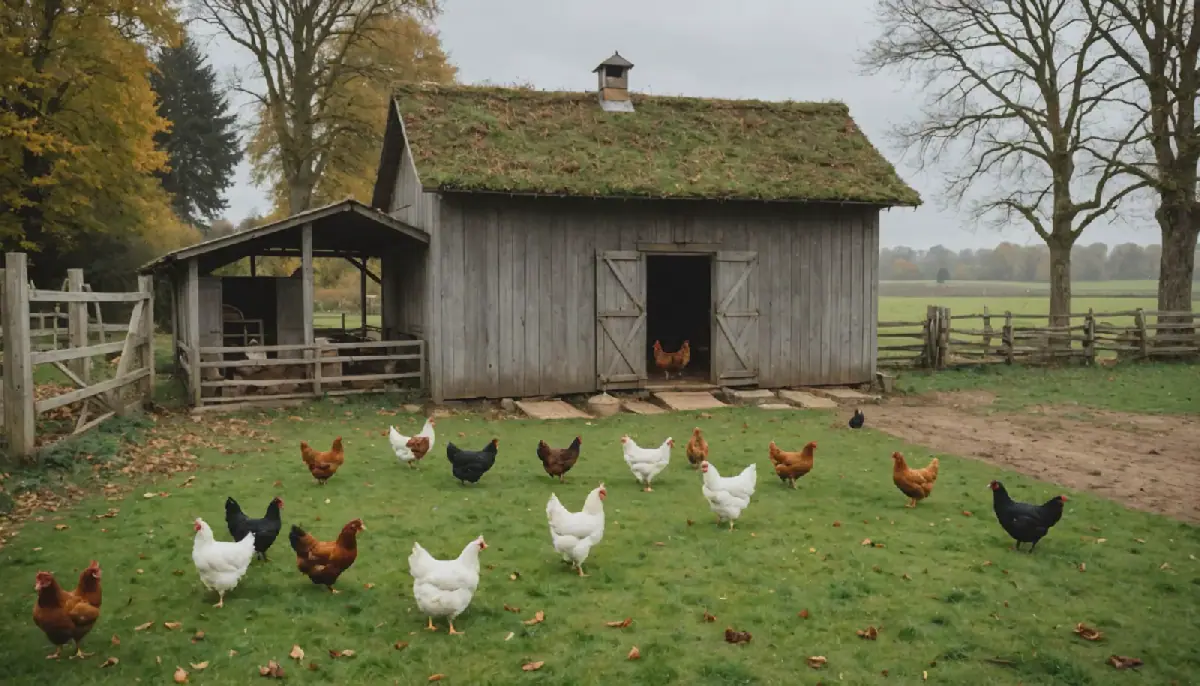
The French government has raised the avian influenza risk level from "negligible" to "moderate" due to a surge in viral circulation among wild birds, particularly during the autumn migration. This change, effective early November, follows a brief period at the "high" risk level while authorities assessed the situation. The increased risk is attributed to the active circulation of the virus among wild birds, especially waterfowl, during their seasonal migration.
The new risk level imposes additional obligations on poultry owners, including those with small backyard flocks. In areas designated as high-risk by prefectures, establishments with 50 or more birds must house them in enclosed buildings or under protective nets. Owners must also ensure that food and water for the birds are protected from contact with wild birds. These measures aim to prevent the spread of the virus and mitigate potential losses for farmers and backyard poultry keepers.
The French authorities have identified zones at particular risk, primarily around migration routes and wetlands, where stricter measures will be enforced. While the mandatory housing requirement applies to establishments with 50 or more birds, authorities recommend that individuals in high-risk areas take similar precautions to minimize the risk of contamination. This includes disinfecting equipment and avoiding contact between domestic and wild birds.
The increased risk level may have implications for consumers, particularly in the lead-up to the holiday season when demand for poultry typically increases. The egg and poultry industries are closely monitoring the situation, as the confirmation of outbreaks on farms could impact availability and prices. Furthermore, the recent data breach affecting millions of animal owners has heightened concerns about animal identification and health tracking.
The French government urges poultry owners to consult with their local prefecture to determine the specific risk level in their area and to adhere to biosecurity measures. Simple actions, such as disinfecting boots before entering a coop or preventing contact between domestic and wild birds, can significantly reduce the risk of contamination. These practices are essential for both commercial farms and small backyard flocks.
The moderate risk level does not apply uniformly across France; instead, it is targeted at specific areas deemed high-risk. While formal housing requirements primarily apply to larger establishments, small-scale poultry keepers are advised to take precautions in high-risk zones. Authorities emphasize that the risk to the general public remains low, and the primary focus is on protecting poultry farms and controlling the spread of the virus.
The French government's decision to elevate the avian influenza risk level to "moderate" reflects the need for vigilance during the autumn migration period. By implementing targeted measures and encouraging best practices among poultry owners, authorities aim to mitigate the impact of the virus on the poultry industry and prevent potential losses.
Key points
- The French government has raised the avian influenza risk level to "moderate" due to increased viral circulation in wild birds, prompting new measures for poultry owners.
- Poultry owners in high-risk areas must implement protective measures, including housing birds in enclosed buildings or under nets and protecting food and water from wild birds.
- The risk level increase may impact poultry availability and prices, particularly during the holiday season, if outbreaks occur on farms.