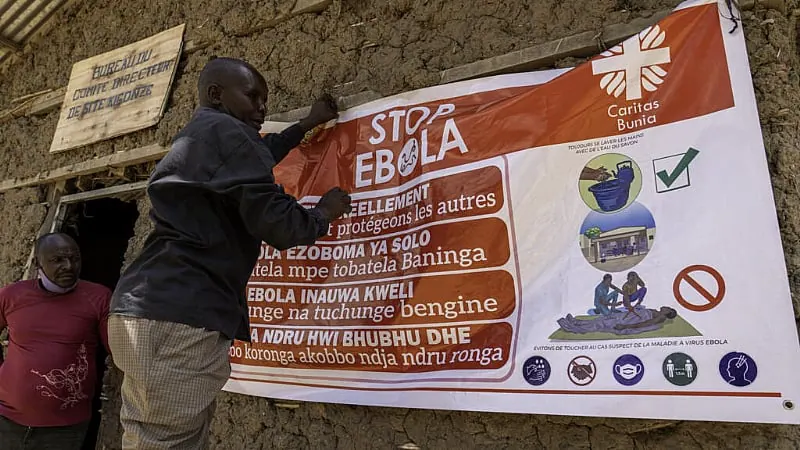
The Ebola outbreak in the Democratic Republic of Congo has claimed 4,042 lives, with 8,376 cases recorded since the outbreak was declared on May 15, according to the DRC's health ministry. The situation remains dire, with the current outbreak on track to exceed the deadliest on record in West Africa between 2014 and 2016, which killed 11,000 people. The World Health Organisation has expressed concerns about the outbreak's potential to spread.
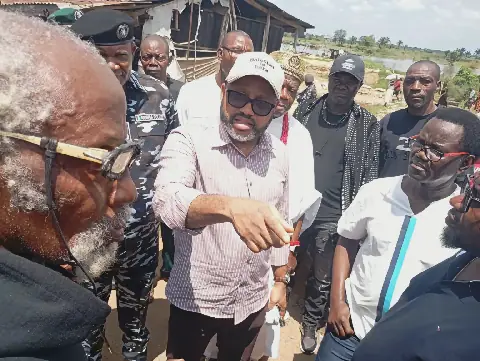
French Minister of State for Development and International Partnerships, Chrysoula Zacharopoulou, visited the northeastern Congolese city of Bunia in Ituri province, the epicenter of the outbreak. She announced that France allocated €13.4 million to the fight against Ebola between January and July and pledged to propose additional humanitarian funding during upcoming discussions on the French budget. A national humanitarian conference is scheduled to take place in Paris on October 6, where Ebola will be on the agenda.
The outbreak has slowed in some areas, but the crisis remains severe, with confirmed cases falling from around 850 cases and 470 deaths a week in mid-July to an average of 490 cases and 230 deaths in September. However, the Africa Centres for Disease Control and Prevention noted that this decrease could be attributed to insecurity and challenges in getting communities to cooperate in some hotspots. The situation remains volatile, with the spread of the disease accelerating in other areas.
The aid group Doctors Without Borders (MSF) reported that the outbreak has particularly worsened in North Kivu province, accounting for 40 percent of new confirmed cases since the end of August. MSF coordinator in the city of Butembo, Stephanie Hoffman, described the situation as "like fighting a wildfire," with multiple outbreaks developing at the same time, varying in intensity and location. The group's concerns highlight the ongoing challenges in containing the outbreak.
DRC Health Minister Roger Kamba stated that the outbreak had peaked, citing government figures showing 19 out of 63 affected zones have not recorded any cases for at least three weeks. He expressed optimism that the epidemic is no longer beyond control, saying, "We were following the epidemic, but now we are anticipating it." The minister's comments suggest a shift in strategy from response to anticipation.
Zacharopoulou praised Congolese authorities, United Nations agencies, humanitarian organizations, and medical workers for containing the epidemic and preventing it from spreading to major urban centers in Congo and beyond. She emphasized the importance of fighting the epidemic where it emerges. The French minister's visit and pledge of support underscore the international community's commitment to combating the outbreak.
The Ebola outbreak has also been marked by violence against healthcare workers, which hampers the response efforts. A doctor who tested positive for the virus after returning to France from a humanitarian mission in DRC made a full recovery. The incident highlights the risks faced by healthcare workers and the need for continued support and cooperation to bring the outbreak under control.
Key points
- The Ebola outbreak in DRC has claimed 4,042 lives, with 8,376 cases recorded since the outbreak began on May 15.
- France has allocated €13.4 million to the fight against Ebola and pledged additional humanitarian funding.
- The outbreak has slowed in some areas but remains severe, with concerns about insecurity and community cooperation.