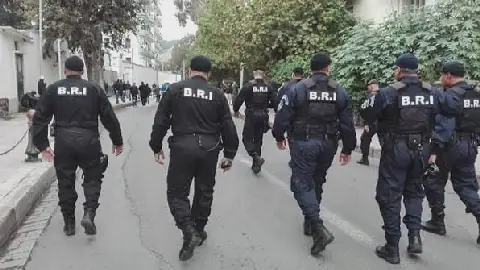
Student-led protests in France have entered their fourth week, with thousands of high school students demanding better education conditions, more teachers, and improved facilities. The protests, which began as a localized movement, have spread across the country, with over 130 schools closed and numerous others experiencing disruptions. According to the French Ministry of Education, more than 96% of high schools remained open on Friday, but the protests have resulted in injuries to at least eight education workers and numerous students and security personnel.
The protests have resulted in significant disruptions, with over 6,800 people, including 86% of minors, placed under judicial supervision, and over 200 students and 800 security personnel injured. The French government has estimated that the damage caused by the protests has exceeded €30 million. The protests have also sparked concerns over the use of force by police, with the UN Children's Fund (UNICEF) calling for de-escalation and protection of minors. The French government faces the challenge of balancing the need to maintain order with the need to respect the rights of students to peaceful assembly.
The protests have been driven by demands for improved education conditions, including more teachers, better facilities, and reduced class sizes. The protests have also highlighted broader social and economic concerns, including the rising cost of living and economic pressures. The French education system, which accounts for around 6.7% of GDP, faces challenges in delivering quality education evenly across the country. The protests have sparked a national conversation about the need for education reform and the importance of investing in the country's future.
The French government has faced criticism for its handling of the protests, with some accusing President Emmanuel Macron of being out of touch with the concerns of young people. The government has proposed a €10 billion emergency plan to address the concerns of students and teachers, including hiring more teachers and staff, and improving facilities. However, the plan has been met with skepticism by some, who argue that it does not go far enough in addressing the systemic issues facing the education system.
The protests have also raised concerns about the potential for extremist groups to exploit the unrest for their own purposes. There have been reports of violent incidents and vandalism, which have been widely condemned. The French government has vowed to take a firm stance against violence and extremism, while also seeking to address the underlying concerns of students and teachers.
As the protests continue, there are concerns about the impact on the country's education system and the potential for long-term damage. The French government faces a difficult balancing act in responding to the demands of students and teachers, while also maintaining order and stability. The protests have sparked a national conversation about the importance of education and the need for reform, and it remains to be seen how the government will respond to these demands.
The protests in France have sparked a wider debate about the role of education in society and the need for investment in the sector. The country's education system is widely regarded as one of the best in the world, but the protests have highlighted concerns about equity, quality, and access. As the government seeks to respond to the demands of students and teachers, it will need to navigate a complex landscape of competing interests and priorities.
Key points
- The protests have resulted in significant disruptions, with over 130 schools closed and numerous others experiencing disruptions.
- The French government has estimated that the damage caused by the protests has exceeded €30 million.
- The protests have sparked concerns over the use of force by police, with the UN Children's Fund (UNICEF) calling for de-escalation and protection of minors.