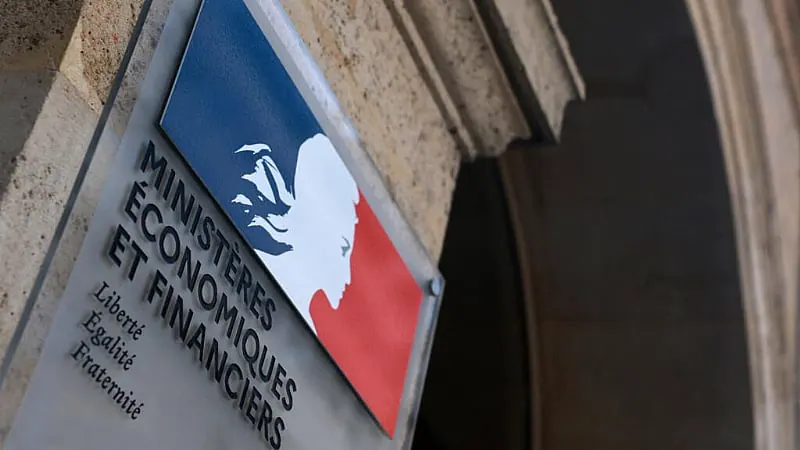
The French government is bracing for a significant borrowing challenge in 2027, with a planned €340 billion in borrowing, a substantial increase of €28 billion from this year. This development comes as the government prepares to present its 2027 budget on October 1, 2026. According to Agence France Trésor (AFT), the record borrowing is necessary to finance government spending and repay maturing debt.
France's public debt has reached a record high of €3.596 trillion as of June, representing 119 percent of the country's GDP. This ratio has not been seen since 1946, when France was rebuilding after World War II. The government expects public debt to reach over 121 percent of GDP in 2027, exceeding the European Union's limit of 60 percent. This situation may impact investor confidence and increase borrowing costs.
The French government is facing conflicting budget demands and pressure to reduce its deficit. Prime Minister Sébastien Lecornu has pledged to bring the deficit down to 5 percent in 2027, but this target was originally set for this year. The government has indicated plans to outline savings of €54 billion in the 2027 budget, although only €10 billion worth of measures have been detailed so far.
The government's efforts to reduce the deficit have been met with resistance from public sector workers, who went on strike over a proposed pay freeze. The strike occurred on the same day that the government announced its borrowing plans. With presidential elections approaching, the government faces an uphill battle to convince parliament to approve spending cuts or long-term reforms.
Economic uncertainty is also affecting France's growth forecast, which has been cut again due to rising prices and energy costs. Inflation is expected to rise by 3 percent year-on-year in September, driven largely by mounting energy prices. This increase is likely to drive up the cost of basic goods for several more months.
The government's draft budget will present a proposal to cut public spending, which Lecornu described as "assertive" but not austerity. Among the measures being considered is a hike in taxes on motorway and airport operators, who could see their tax rate increase from around 5 percent to 12 percent. The government aims to address doubts about its ability to reduce the deficit sustainably through structural reforms.
Economists are closely watching the government's budget plans, with Pascal de Lima, chief economist at BKMC, stating that investors will keep lending to France but are demanding higher interest rates due to concerns about the country's ability to reduce its deficit. The budget presentation will be a test of credibility for the government, with markets seeking clarity on proposed savings and reforms.
Key points
- France plans to borrow a record €340 billion in 2027.
- The country's public debt has reached a record €3.596 trillion, representing 119 percent of GDP.
- The government faces an uphill battle to convince parliament to approve spending cuts or long-term reforms ahead of presidential elections.