France is elevating its avian flu alert to the highest level, effective Friday, in response to increasing infections among wild birds in Europe. The decision, announced in a decree on Thursday, moves France from a "moderate" to a "high" risk level for highly pathogenic avian influenza (HPAI). This change comes as the Agriculture Ministry reports confirmed outbreaks in domestic poultry flocks across mainland France and evidence of the virus circulating among migrating wild birds.
The new measures include a ban on poultry movements and stricter rules to keep farmed birds separate from wild birds, which are key carriers of the virus. Poultry farmers must enhance biosecurity measures to prevent interactions with infected wildlife. The ministry highlighted the disease's spread along migration paths in France, raising fears it could impact commercial poultry. This swift escalation follows France's risk level being at "negligible" since June, increasing to "moderate" only in early November.
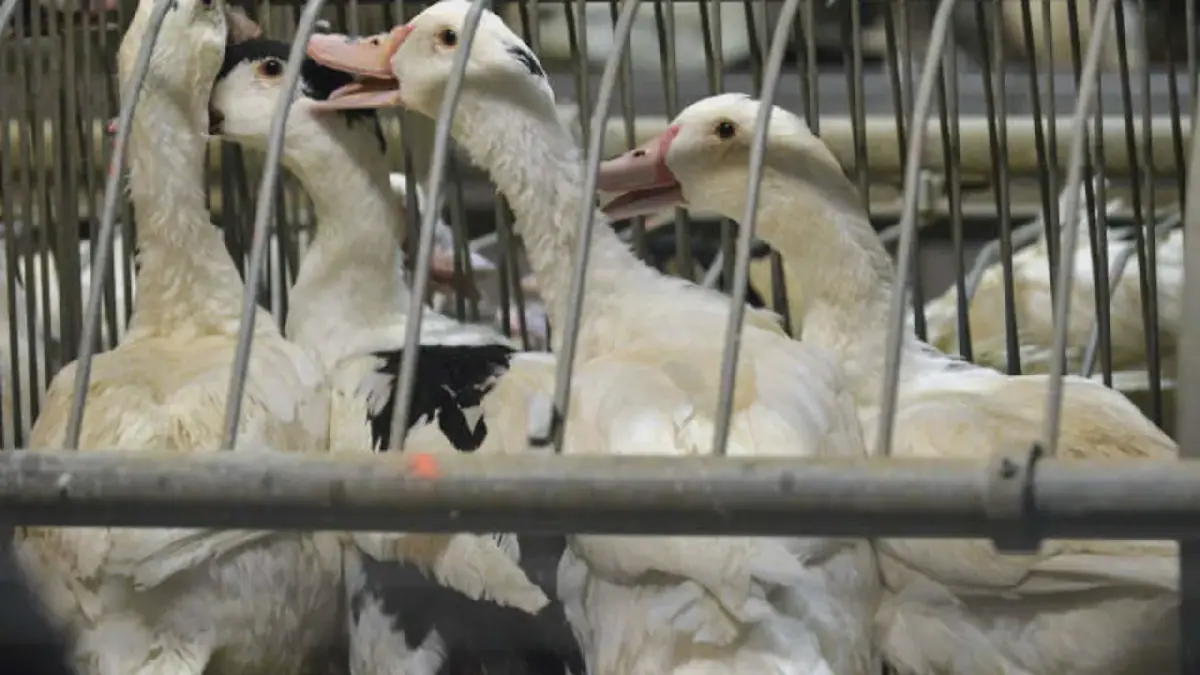
The resurgence of bird flu infections in Europe, particularly in wild birds along major migration routes, has prompted concerns. French officials report a rise in confirmed cases in neighbouring countries. Avian influenza is a highly contagious viral disease that threatens bird populations, often leading to large-scale culls to limit outbreaks. Earlier this year, a case at a duck farm in Maine-et-Loire resulted in the culling of around 7,600 birds.
Despite the current outbreak risk, France benefits from a vaccination programme that has helped manage previous outbreaks. Since October 2023, vaccination against avian influenza has been mandatory for farms with over 250 ducks, making France the only EU country with such a large-scale requirement. This initiative was established following previous crises that severely impacted poultry production, particularly in the southwest.
Experts believe the vaccination efforts have successfully reduced outbreak severity, though they cannot completely eliminate infection risk. The vaccination programme has been crucial in managing the spread of the disease. Additionally, during high alert, some farmers are allowed limited outdoor access for certain free-range poultry, provided strict controls are maintained to reduce contact with wild birds.
The Agriculture Ministry's decision to elevate the avian flu alert to the highest level aims to curb the virus's spread. The new restrictions on poultry movements and enhanced biosecurity measures are expected to help prevent further outbreaks. The French government's swift response to the resurgence of bird flu infections in Europe reflects the country's commitment to protecting its poultry industry.
The elevated alert level and new measures are expected to remain in place until further notice. The French government will continue to monitor the situation and adjust its response as necessary. The country's poultry industry will likely face increased costs and logistical challenges due to the enhanced biosecurity measures and vaccination programme.
Key points
- France raises avian flu alert to highest level amid widespread European infections.
- New measures include ban on poultry movements and stricter biosecurity rules.
- France's vaccination programme has helped manage previous outbreaks, reducing severity.
Reporting sources
- France Elevates Bird Flu Alert to Maximum Level Amidst Widespread European Infections · sierraleonetoday.co.com