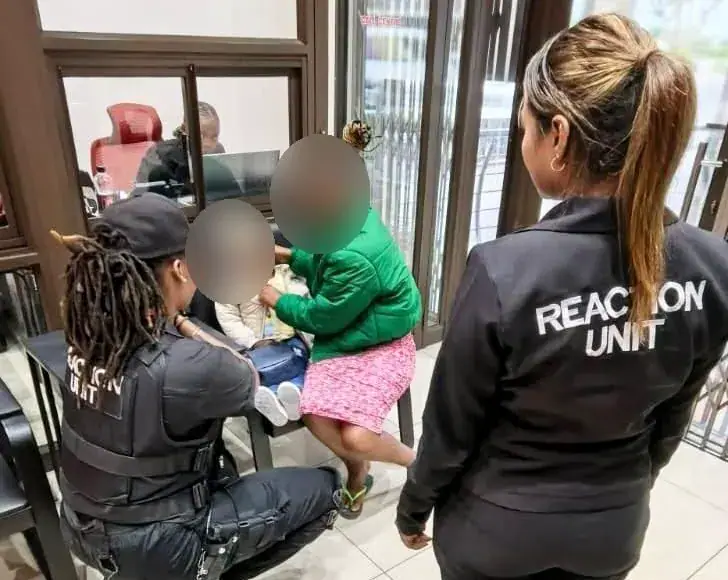
A four-year-old girl from KwaZulu-Natal was rushed to hospital on Saturday after losing consciousness in a taxi on her way there. According to Reaction Unit SA (Rusa), a Verulam-based security company, the girl’s mother reported that her daughter had been playing outside with other children before coming indoors to eat. Shortly after eating, the girl began vomiting, prompting her mother to investigate the cause.
The mother questioned the children her daughter had been playing with and discovered that another child had retrieved unidentified pills from a bin and given them to her daughter, who then consumed them. Rusa paramedics were alerted and treated the girl at their headquarters in Verulam before rushing her to Osindisweni Hospital, where she remained under medical care. The pills she swallowed had not been identified at the time.
The incident highlights the dangers of accidental poisoning, particularly among children. According to the Western Cape government, medication overdoses, pesticides and household products, and bites and stings are common reasons for calls to the national Poisons Information Helpline. In its published poisoning guide, the Tygerberg Poison Information Centre advises against making a person who has swallowed medication vomit, and recommends taking a sample of the medicine to the clinic or hospital with the patient.
The national Poisons Information Helpline, run by poison specialists at the Red Cross War Memorial Children’s Hospital and Tygerberg Hospital in Cape Town, is available 24/7 on 0861-555-777. This helpline provides critical assistance in cases of suspected poisoning. The centre’s guidelines aim to equip the public and health workers with the knowledge to respond effectively in poisoning emergencies.
This incident is not an isolated case of accidental poisoning from ingesting unknown substances. In January last year, a 13-year-old boy in Gqeberha, Eastern Cape, died after drinking liquid from a cooldrink bottle he found in a refuse bag. The boy and his father had been searching through black bags for food when the boy found the bottle and drank from it, subsequently fainting and passing away.
The cause of death in such cases is often difficult to determine without proper identification of the ingested substance. The Tygerberg Poison Information Centre’s guidelines stress the importance of preserving any remaining substance or packaging for analysis, which can be crucial in determining the appropriate treatment.
The Amaoti incident serves as a reminder for parents and caregivers to be vigilant about potential hazards in their environment, especially in areas where children play. Keeping hazardous substances out of reach and educating children about the dangers of ingesting unknown substances are critical steps in preventing such accidents. The community is urged to be aware of the risks and take preventive measures to safeguard children’s health and safety.
Key points
- A four-year-old girl in Amaoti was hospitalised after ingesting unidentified pills from a bin.
- The incident highlights the dangers of accidental poisoning among children.
- The national Poisons Information Helpline is available 24/7 on 0861-555-777.
Reporting sources
- Amaoti girl, 4, hospitalised after swallowing unidentified pills from bin · African News Agency