The recent parliamentary elections in Morocco's Chafchaouen province have resulted in four parties retaining their seats, despite some changes in the rankings. The parties that maintained their positions are the National Rally of Independents, the Socialist Union of Popular Forces, the Independence and Authenticity Party, and the Modernity and Popular Movement. These parties have historically held significant influence in the region.
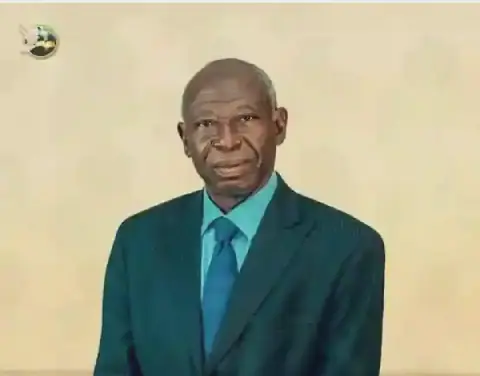
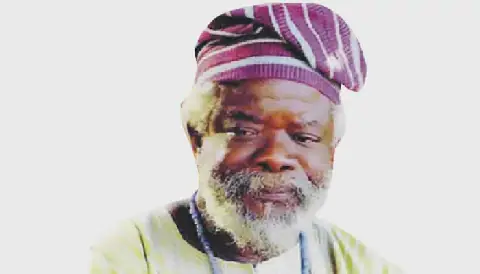
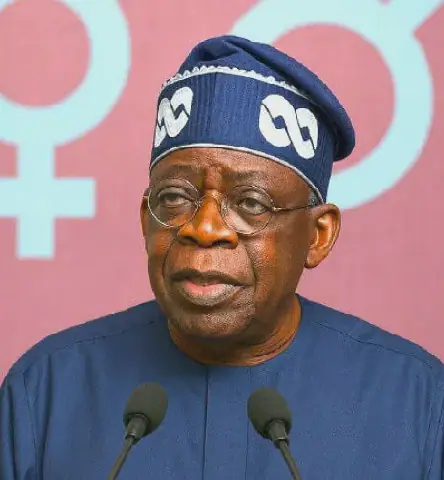
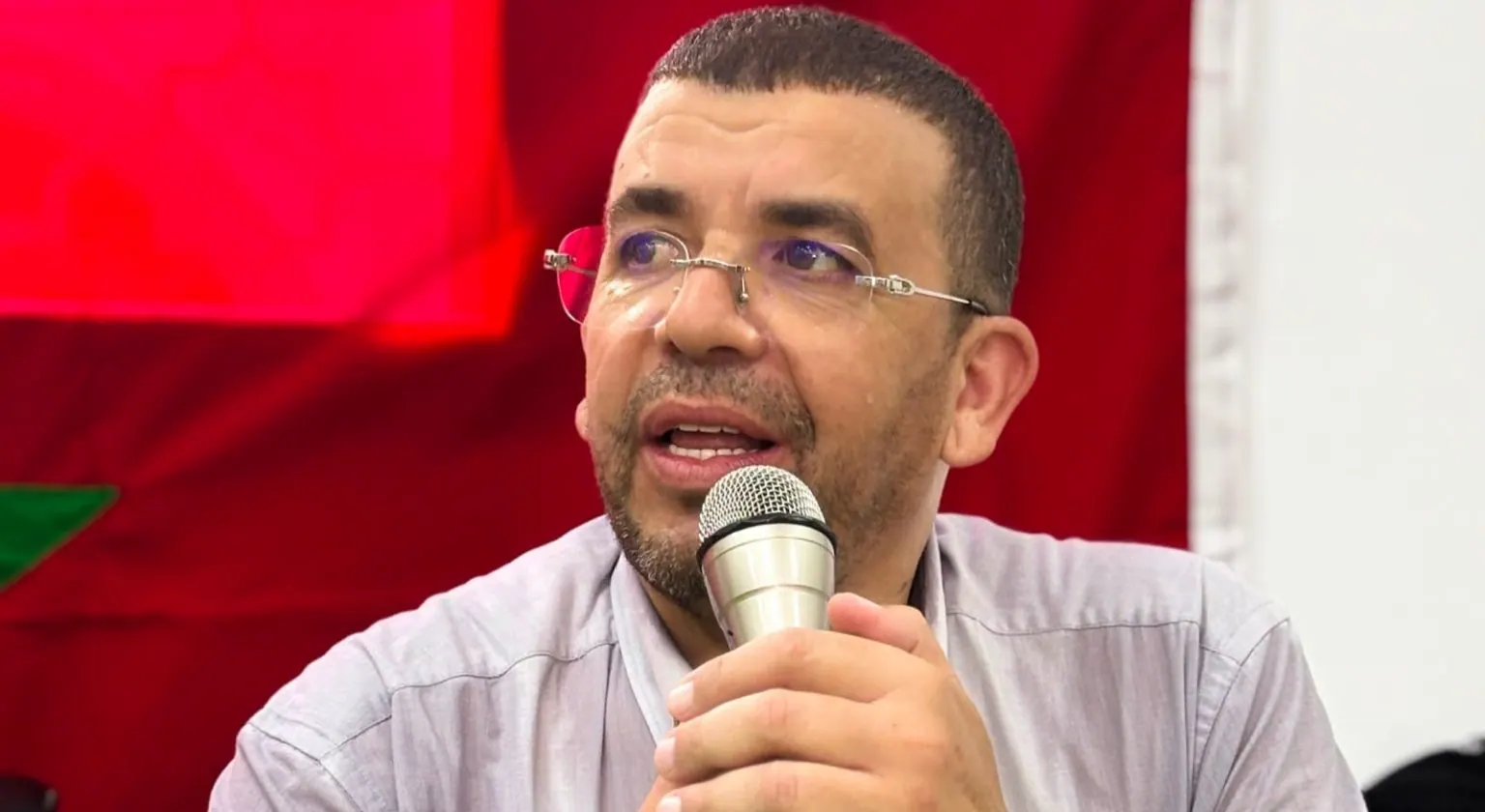
The elections saw Abdel Hafiz Makouti from the Independence and Authenticity Party, symbolized by "Al-Jarar", secure the top spot, followed by Ahmed Amin Al-Matioui from the Modernity and Popular Movement, represented by "Al-Mizan". Abdel Rahman Al-Amari from the Socialist Union of Popular Forces, symbolized by "Al-Hamama", and Amin Al-Baqali Al-Tahiri from the National Rally of Independents, represented by "Al-Warda", secured the third and fourth positions, respectively.
Notably, the Independence and Authenticity Party managed to attract Makouti, who previously won the seat under the National Rally of Independents. This move heightened competition within various rural communities in the Chafchaouen province. There are ongoing threats from the National Rally of Independents to challenge the electoral process due to allegations of political maneuvering.
The elections were marked by significant competition, particularly from newer lists, such as those led by Mu'tasim Amgouz from the Popular Movement and Nabil Al-Shalihi from the Justice and Development Party. Despite their strong campaigns, these newer lists were unable to secure the top spots. The voter turnout was reported to be moderate in some areas and high in others, exceeding 60 percent in certain centers.
The electoral campaign focused on critical issues affecting the region, including the legalization of cannabis, stalled water projects, inadequate public services, and the lack of rural development. These issues have been persistent concerns for the local population, with many candidates promising to address them. The continued dominance of the traditional parties has raised questions about the potential for change in the region.
The results reflect a continuation of the political landscape in Chafchaouen, with established parties maintaining their grip on power. However, the emergence of new candidates and lists indicates a potential shift in the dynamics of local politics. The region's residents will be watching closely to see if these changes lead to tangible improvements in their daily lives.
As the newly elected officials take office, they will face pressure to deliver on their campaign promises. The issues of unemployment, isolation, and underdevelopment remain pressing concerns for the people of Chafchaouen. The ability of the retained parties to address these challenges will likely influence their popularity and the broader political landscape in the region.
Key points
- The four parties that retained their seats in Chafchaouen province are the National Rally of Independents, the Socialist Union of Popular Forces, the Independence and Authenticity Party, and the Modernity and Popular Movement.
- Abdel Hafiz Makouti from the Independence and Authenticity Party secured the top spot in the elections.
- The elections highlighted ongoing issues in the region, including the need for rural development and improved public services.