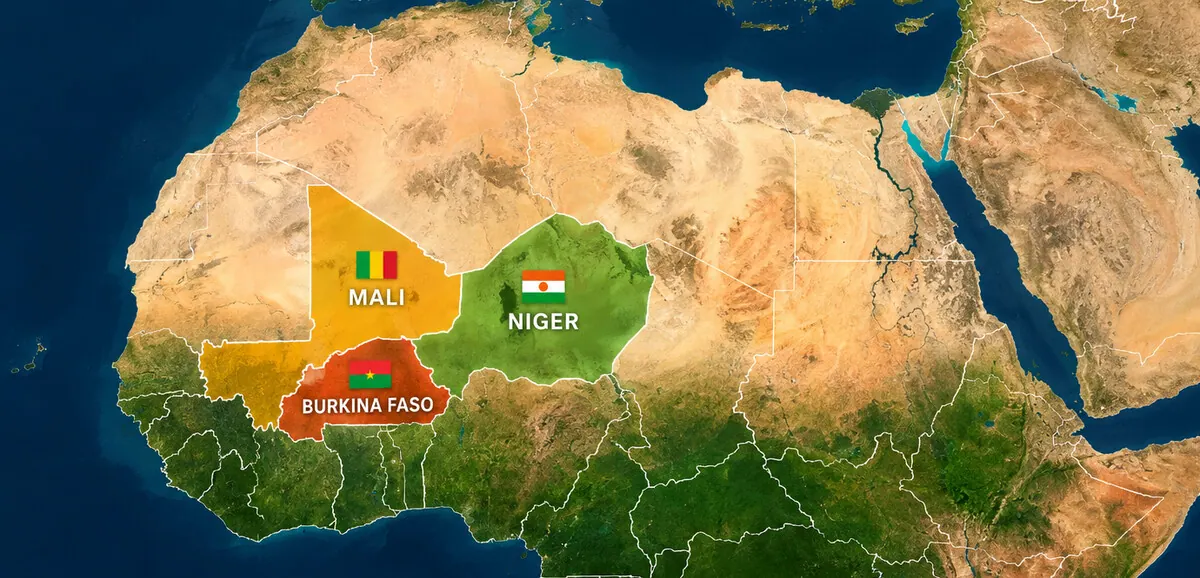
The United Nations High Commissioner for Refugees (UNHCR) has alerted to a growing crisis in the Sahel region, where nearly four million people have been forced to flee their homes in Burkina Faso, Mali, and Niger. This crisis is attributed to ongoing violence, climate shocks, and severe funding shortages for humanitarian aid. The UNHCR reported that over 818,000 refugees and asylum seekers are among those displaced.
The situation in the Sahel region has deteriorated since 2020, with Abdouraouf Gnon-Konde, UNHCR's regional director for West and Central Africa, expressing concern over rising tensions in the central Sahel. He noted that insecurity and armed group activities are increasingly crossing borders, with security incidents nearly doubling since 2020. This has weakened state presence, limited access to populations, and heightened risks for displaced persons and host communities.
The UNHCR highlighted that the number of displaced people in the three countries, all under military juntas, has almost doubled since 2020, affecting nearly four million people. This crisis is straining asylum systems, public services, and livelihoods. In Mali, most refugees are from neighboring Burkina Faso, with 86,000 Burkinabe refugees recorded in the locality of Koro in July, following several displacement waves since 2025.
The crisis is also impacting countries beyond the central Sahel, with hundreds of thousands displaced to coastal West African countries such as Benin, Côte d'Ivoire, Ghana, and Togo. The UNHCR reported that in Mali, over 14,000 children and 6,000 women among the displaced are considered particularly exposed to risks. The presence of refugees is putting pressure on land, water resources, health services, and limited livelihoods in host communities.
The UNHCR's response to the crisis in the Sahel region is severely underfunded, with only 27% of the required $329.6 million secured as of September. This funding shortage complicates efforts to provide adequate humanitarian assistance to those in need. The situation demands increased international attention and support to address the growing crisis and its impacts on displaced populations and host communities.
The crisis in the Sahel region is further complicated by the activities of armed groups and climate-related shocks, which continue to drive displacement. The UNHCR's Gnon-Konde emphasized that the international community's attention to the crisis is waning, despite the escalating situation. Efforts to address the root causes of displacement and provide sustainable support to affected populations are crucial to mitigating the crisis.
The UNHCR's warning highlights the urgent need for a coordinated response to the Sahel crisis, involving increased humanitarian funding, support for host communities, and efforts to address the drivers of displacement. The international community must work together to provide critical assistance and protection to the nearly four million displaced people in the region.
Key points
- The crisis in the Sahel region has displaced nearly four million people, with over 818,000 refugees and asylum seekers.
- The situation is exacerbated by ongoing violence, climate shocks, and severe funding shortages for humanitarian aid.
- The UNHCR's response to the crisis is underfunded, with only 27% of the required $329.6 million secured as of September.