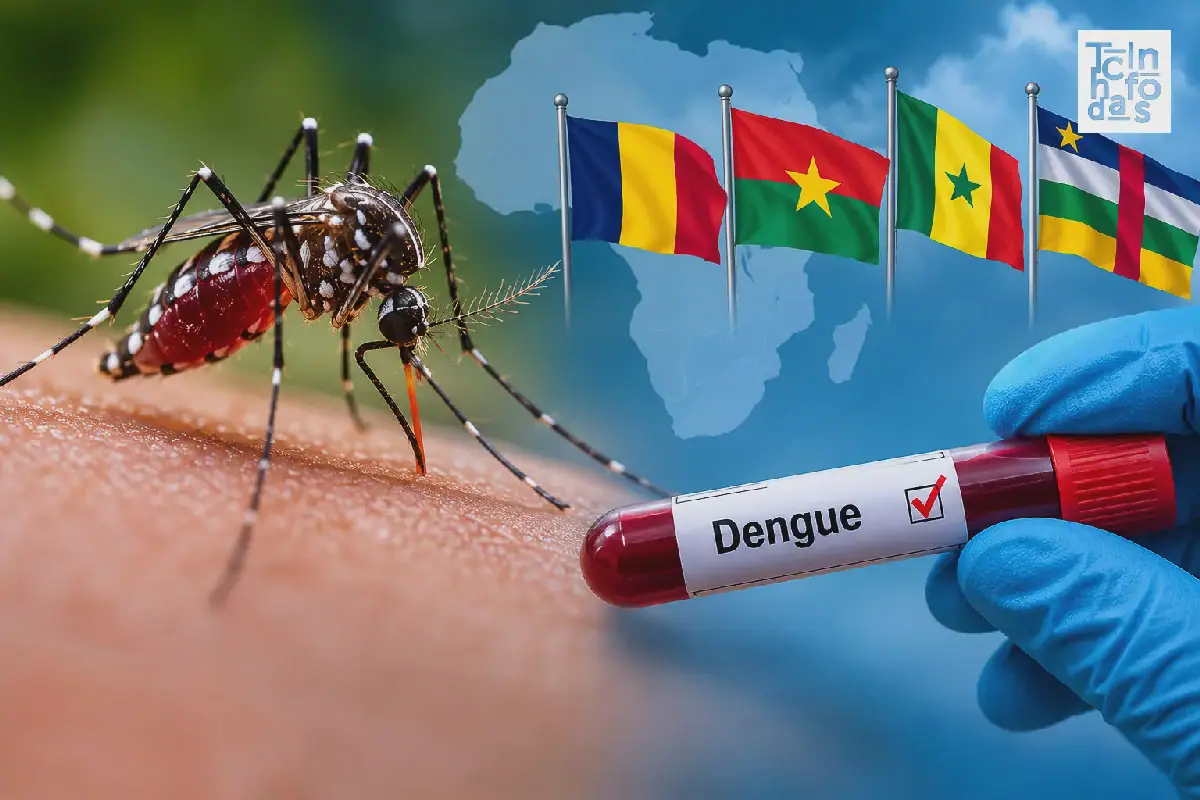
Four African countries, including Chad, are facing dengue fever outbreaks, according to the World Health Organization's (WHO) epidemiological surveillance data. The outbreaks have resulted in thousands of suspected cases and dozens of deaths, prompting health authorities to enhance preventive measures and intensify efforts to combat the disease. The WHO has reported that the dengue fever virus is spreading in several regions of the African continent.
In Burkina Faso, the WHO has recorded 85,083 suspected cases, including 144 confirmed cases and 86 deaths. The country is one of several African nations experiencing a surge in dengue fever infections. The WHO has also reported 114 confirmed cases in Senegal, with no deaths reported, while in the Central African Republic, 36 confirmed cases have been recorded, with no fatalities.
In Chad, where the outbreak was officially declared on October 3, 4,600 suspected cases have been reported, including 353 confirmed cases and 14 deaths, according to the epidemiological situation report for the period from October 22 to 26. The outbreak has affected six states, with the capital city of N'Djamena and the Wadai region recording the highest number of suspected cases.
The countries affected by the outbreaks have intensified their response and control measures. In Burkina Faso, authorities have enhanced insecticide spraying operations, eliminated mosquito breeding sites, and launched awareness campaigns. According to an official report published at the end of October, the campaign to combat the disease vector had visited over 426,000 households.
In Senegal, the national response plan includes strengthening the epidemiological surveillance system and intensifying preventive measures, while in the Central African Republic, authorities are focusing on health monitoring and enhancing regional cooperation. Dengue fever is a viral infection primarily transmitted by the Aedes aegypti mosquito, with symptoms including high fever, headache, and muscle and joint pain.
In some cases, the infection can develop into severe and life-threatening forms, leading to complications that can be fatal if not treated promptly. The WHO recommends eliminating standing water, preventing mosquito bites, and enhancing epidemiological surveillance, as well as ensuring rapid medical care for patients showing signs of risk.
The WHO had previously warned of the increasing spread of dengue fever in Africa, reporting that 15 countries in its African region had reported over 208,000 suspected cases and 782 deaths since the beginning of 2023. However, current data do not allow for a direct comparison between the size of the outbreaks in the four countries, due to differences in surveillance periods and case counting methods.
Key points
- Thousands of suspected dengue fever cases and dozens of deaths have been reported in Chad, Burkina Faso, Senegal, and the Central African Republic.
- Health authorities have intensified response and control measures, including insecticide spraying and awareness campaigns.
- The WHO has warned of the increasing spread of dengue fever in Africa, with 15 countries reporting over 208,000 suspected cases and 782 deaths since 2023.