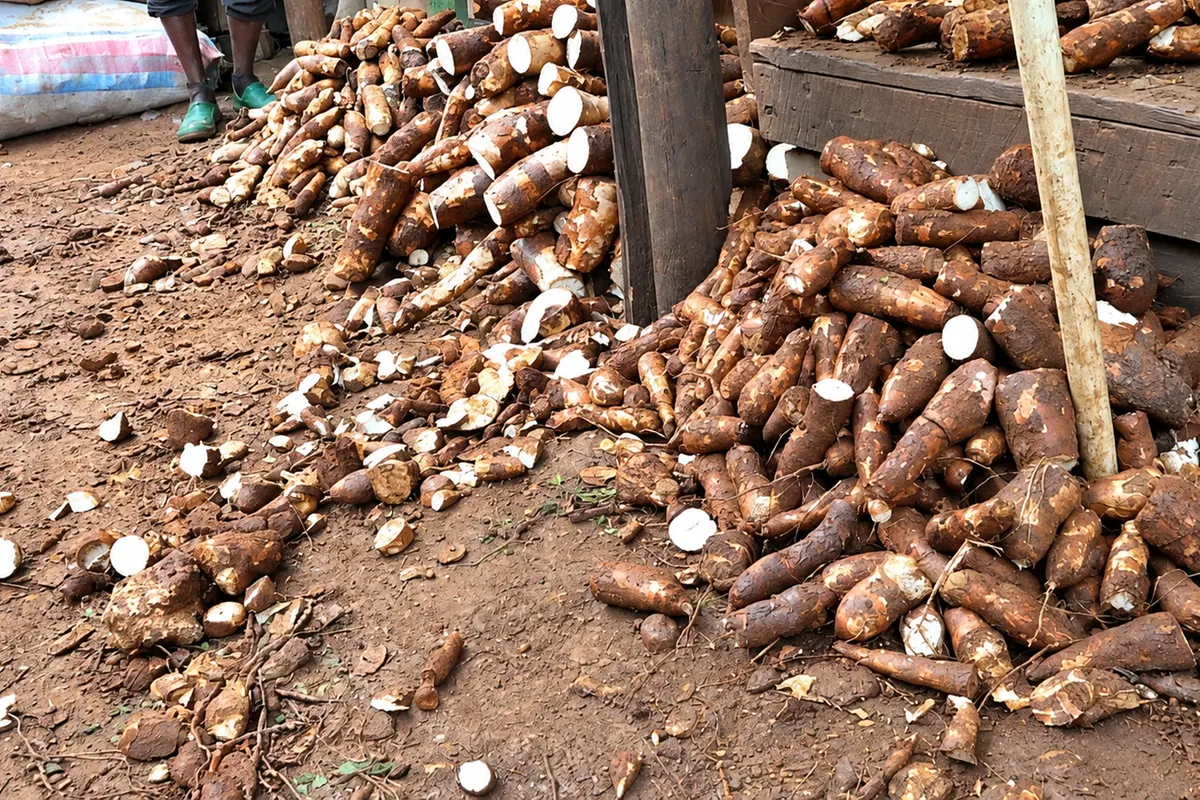
Environmental pollution has become a significant concern for traders and residents in Dar es Salaam's commercial hubs, including Shekilango Market, Tegeta Market, and the Vingunguti Slaughterhouse. The persistent accumulation of rotting produce, uncollected animal remains, stagnant blood, and polluted water has created an intolerable environment, exposing them to foul odours. This situation has been ongoing for years, affecting the daily routines of workers and residents.
At Shekilango Market, vendor stalls are situated next to mounting piles of uncollected refuse, causing physical distress and financial strain for traders. Vegetable trader Fatuma Khamis, who has worked at the market for seven years, says the stench impairs her ability to carry out daily routines. Chicken remains from the previous day often sit alongside stalls, making it difficult for vendors to work. This situation affects customer footfall and daily turnover, with some customers unable to stay due to the smell.
The impact of environmental pollution extends beyond market perimeters into neighbouring residential zones. Shekilango resident Salum Juma says the problem worsens during the rainy season when overflowing drainage channels carry dirty water into local streets. The dirty water and smell reach houses, making it difficult for residents to open windows. A similar environmental crisis exists at the Vingunguti Slaughterhouse, where the heavy stench of blood and animal remains is a constant burden for workers.
Public health experts have raised concerns about the health risks associated with environmental pollution in these areas. Dr Emmanuel Mwakyusa, a public health specialist from the University of Dar es Salaam's College of Health and Allied Sciences, confirms that decomposing organic waste releases hazardous gases. These gases can irritate the eyes, nose, and throat, particularly among people exposed to them for long periods.
Environmental health specialist Dr Agnes Mrema notes that foul smells may indicate wider sanitation failures, creating conditions that attract disease-carrying organisms. Flies landing on animal remains can contaminate food sold nearby. Respiratory physician Dr George Mboya warns that prolonged exposure to strong smells may affect general wellbeing through stress and sleep disturbances. These health concerns highlight the need for urgent action to address environmental pollution in these areas.
Market authorities and traders are working to improve waste collection and reduce the problem. Shekilango Market manager David Mrisho acknowledges that daily waste generation has outpaced existing facilities and is working with the council to improve waste collection and increase storage areas. At Vingunguti, trader Dalali Dennis reports ongoing efforts to improve drainage and waste removal.
The situation at Tegeta Market is attributed to inadequate drainage infrastructure and undersized waste collection units. Tomato vendor Halima Said explains that disposal points frequently overflow, causing waste to rot and spread quickly. The concerns of traders and residents highlight the need for a comprehensive solution to address environmental pollution in these crucial markets.
Key points
- Environmental pollution in Dar es Salaam's markets poses significant public health risks.
- Inadequate waste management and infrastructure contribute to the problem.
- Authorities and traders are working to improve waste collection and reduce the issue.