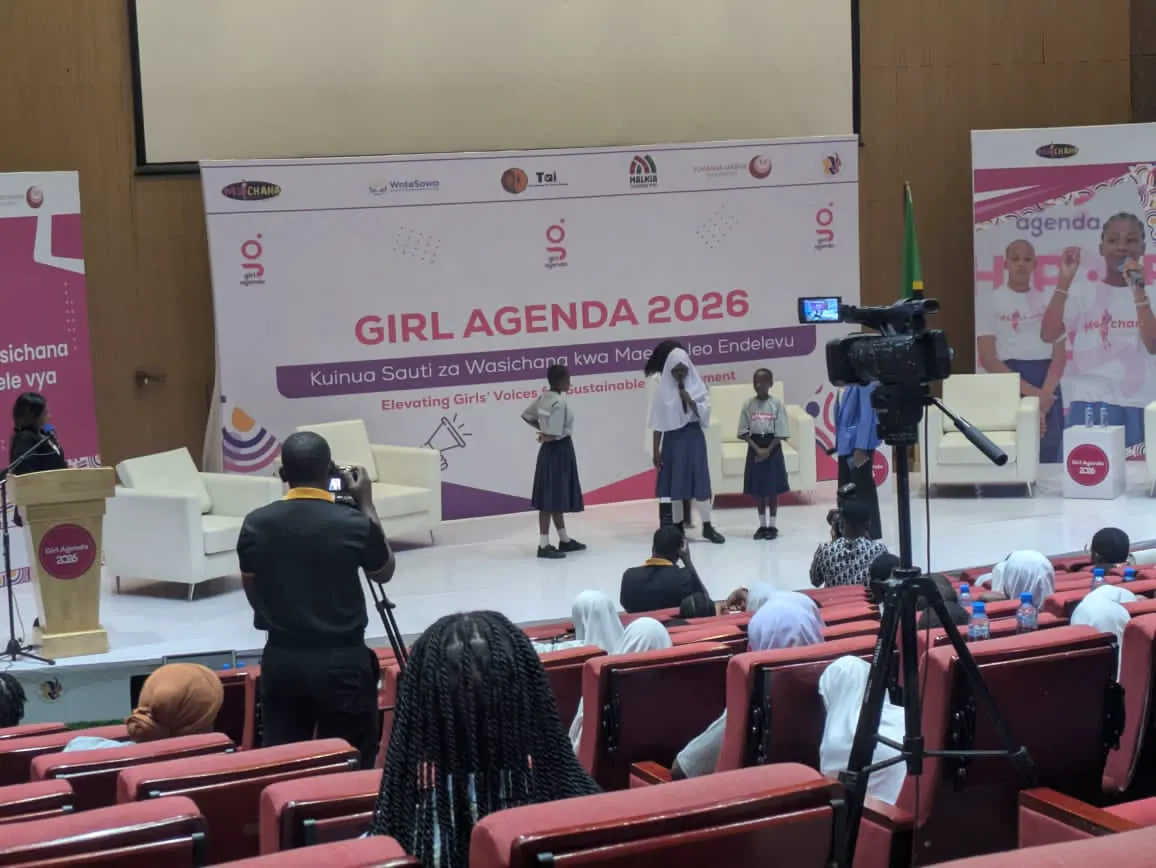
Stakeholders have called for greater investment in girls' access to science, technology, engineering, and mathematics (STEM), digital skills, and leadership opportunities in Tanzania. This call was made during the ninth Girls' Agenda Forum, which highlighted the importance of education, economic empowerment, and girls' participation in decision-making. The forum emphasized that these elements are crucial for the country's advancement towards its Development Vision 2050.
The Director General of Msichana Initiative, Ms Consolata Chikoti, stressed that empowering girls must be central to Tanzania's development ambitions. She noted that inclusive and sustainable growth cannot be achieved while girls face barriers to education and economic opportunities. Chikoti added that decisions made today will shape whether girls can become scientists, engineers, entrepreneurs, policymakers, and national leaders by 2050.
The forum also highlighted the digital divide, with participants emphasizing the need to equip girls with technological knowledge and digital skills. These skills are increasingly essential for education, employment, and innovation. The stakeholders noted that investing in girls is not merely a social responsibility but a strategic investment in Tanzania's future.
Ms Neema Msangi from Women Fund urged stakeholders to move beyond merely listening to girls' experiences and ensure they actively participate in policymaking, planning, and budgeting. She called for stronger accountability in implementing policies that benefit girls, wider access to digital learning, and deliberate efforts to reach girls in remote communities whose voices are often overlooked.
Ms Msangi also stressed the importance of promoting safe and responsible technology use, noting that digital access must be accompanied by awareness of online risks. This includes protecting girls from cyberbullying, online harassment, and other digital threats. The stakeholders emphasized that girls should have equal opportunities to access quality education, develop leadership skills, and influence decisions affecting their future.
Ms Glady Mkuchi, Programme Communications and Events representative at the Royal Norwegian Embassy, reaffirmed Norway's commitment to gender equality, describing it as fundamental to sustainable development. She noted that Norway supports initiatives that promote girls' education, economic empowerment, and leadership. Meanwhile, Ms Asha Vuai, Director of Children's Services in the Ministry of Community Development, Gender, Women and Special Groups, called for intensified efforts to end child marriage and all forms of violence against girls.
The stakeholders emphasized that protecting girls, keeping them in school, and expanding their economic opportunities are essential to achieving inclusive development. The forum concluded with a call to action for stakeholders to work together to address the barriers faced by girls and ensure their meaningful participation in Tanzania's development.
Key points
- Empowering girls is crucial for Tanzania's development ambitions and inclusive growth.
- Investing in girls' STEM and digital skills education is essential for their participation in the country's development.
- Stakeholders call for stronger accountability in implementing policies that benefit girls and promote safe and responsible technology use.