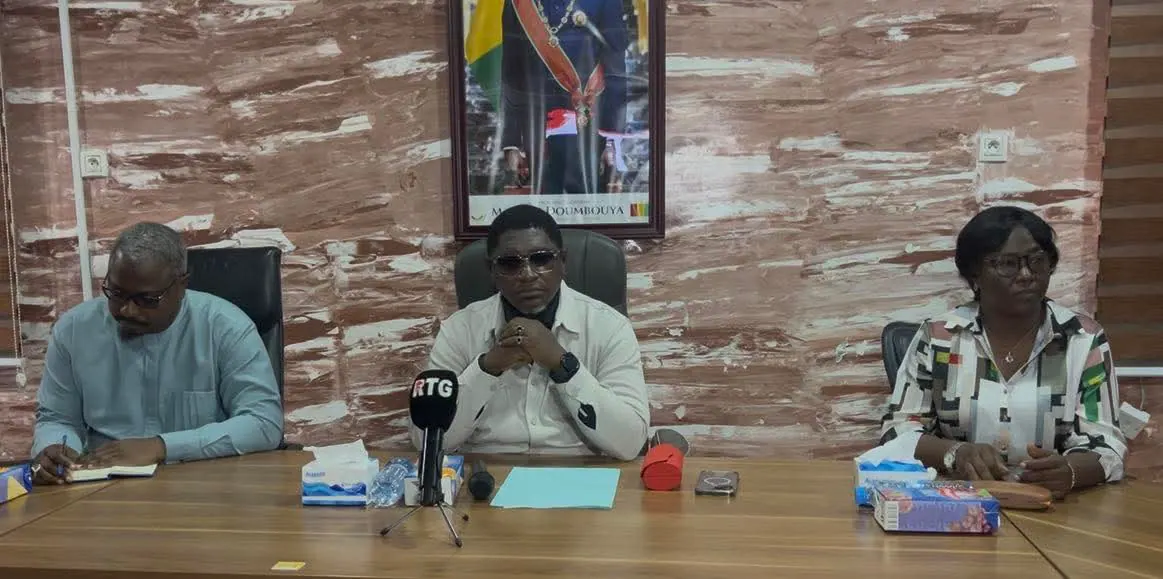
The National Center for Fisheries Surveillance and Police (CNSP) in Guinea has concluded a training program for its second group of inspectors, with 40 agents benefiting from the capacity-building initiative. The program, which was initiated by the CNSP's General Directorate under the Ministry of Fisheries and Maritime Economy, aimed to enhance the technical and legal competencies of inspectors to improve surveillance of fishing activities and combat illegal, unreported, and unregulated (IUU) fishing.
The training, which took place in two sessions from September 16-21 and October 6-8, covered topics such as maritime navigation and nautical safety, inspection techniques for vessels at anchor and at sea, identification of fishing gear, and application of national and international legal texts governing fishing activities. The objective is to equip inspectors with the necessary skills to effectively monitor fishing activities and enforce regulations.
In his closing remarks, CNSP Director General Guillaume Hawing emphasized that the effectiveness of maritime surveillance depends not only on available equipment but also on the competence and integrity of agents using them. He stressed the importance of mastering inspection procedures and legal instruments, noting that every infringement recorded and every report drawn up engages the credibility of the State before courts and international partners.
Hawing shared his personal experience, having learned the realities of the profession through interactions with agents. He praised their commitment despite risks associated with maritime missions, including drownings and loss of life. The Director General also paid tribute to inspectors who, after losing colleagues at sea, continue to accept mission assignments, highlighting their conviction, supranationalism, and love for the profession.
On behalf of the participants, Aboubacar Mickael Sylla, Inspector Chief of the Conakry surveillance base, thanked the authorities of the Ministry of Fisheries and Maritime Economy and the CNSP's General Directorate for their efforts to improve agent training. Sylla assured that inspectors are committed to applying the knowledge acquired during the training to contribute effectively to strengthening control, surveillance, and sustainable management of fisheries resources.
Inspector Kadiatou Bah, representing the Maritime Prefect, emphasized the importance of permanent collaboration between structures responsible for surveillance and protection of Guinean maritime spaces. Bah reiterated the Prefecture's availability to collaborate with competent services to achieve concrete results, stressing that no single structure can ensure effective protection of maritime spaces alone.
The CNSP's General Directorate has reaffirmed its commitment to continuing efforts to provide inspectors with necessary logistical, security, and legal means to accomplish their missions. The initiative aims to consolidate the operational capacities of the national fisheries surveillance system and contribute to sustainable management of fisheries resources, beyond individual competency reinforcement.
Key points
- The training program aimed to enhance inspectors' technical and legal competencies to combat IUU fishing.
- The program covered topics such as maritime navigation, inspection techniques, and application of national and international legal texts.
- The CNSP has reaffirmed its commitment to providing inspectors with necessary means to accomplish their missions.