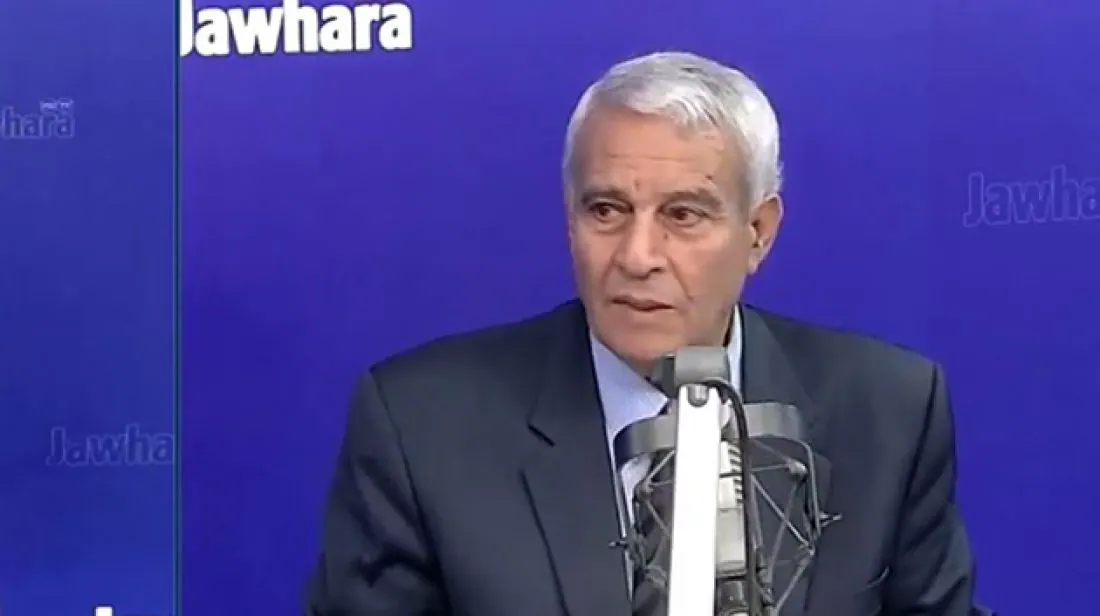
On Monday, October 12, 2026, Ahmed Bourigua, a former general engineer and director general of the Tunisian Ministry of Agriculture, highlighted the significance of smart farming in Tunisia's agricultural sector. According to Bourigua, smart farming enables farmers to achieve substantial production with less effort. He made these remarks during an appearance on the radio program "Sabah Al-Ward" on Jawhara FM.
Bourigua explained that smart farming involves using sensors on plants to analyze soil and water conditions, determining the plant's needs. When a plant requires water, the sensors transmit this information to the farmer via a digital platform. This technology allows farmers to optimize water consumption and reduce waste. He noted that currently, 40% of Tunisia's water supply is wasted annually due to leaky canals.
The implementation of smart farming in Tunisia is expected to significantly improve agricultural productivity. By leveraging technology, farmers can make data-driven decisions, reduce their environmental impact, and increase their yields. Bourigua emphasized that smart farming is the future of agriculture, enabling farmers to produce more with fewer resources.
According to Bourigua, smart farming can help address some of Tunisia's pressing agricultural challenges, including water scarcity and inefficient irrigation systems. By adopting smart farming practices, Tunisian farmers can reduce their water consumption, lower their costs, and improve their competitiveness in the global market.
The Tunisian government has been exploring ways to modernize its agricultural sector and improve productivity. The adoption of smart farming technologies is seen as a key strategy in achieving these goals. By investing in digital infrastructure and promoting the use of technology in agriculture, Tunisia aims to increase its agricultural output and reduce its reliance on imports.
Bourigua's advocacy for smart farming has sparked interest among Tunisian farmers and policymakers. As the country continues to grapple with the challenges of climate change, water scarcity, and food security, the adoption of innovative agricultural technologies is becoming increasingly important. The use of smart farming technologies has the potential to transform Tunisia's agricultural sector and improve the livelihoods of farmers across the country.
The Ministry of Agriculture is expected to announce new initiatives aimed at promoting the adoption of smart farming technologies in Tunisia. These initiatives are likely to include investments in digital infrastructure, training programs for farmers, and incentives for the adoption of innovative agricultural technologies. As Tunisia continues to modernize its agricultural sector, the role of smart farming is likely to become increasingly important.
Key points
- Smart farming can help reduce water waste in Tunisia's agricultural sector.