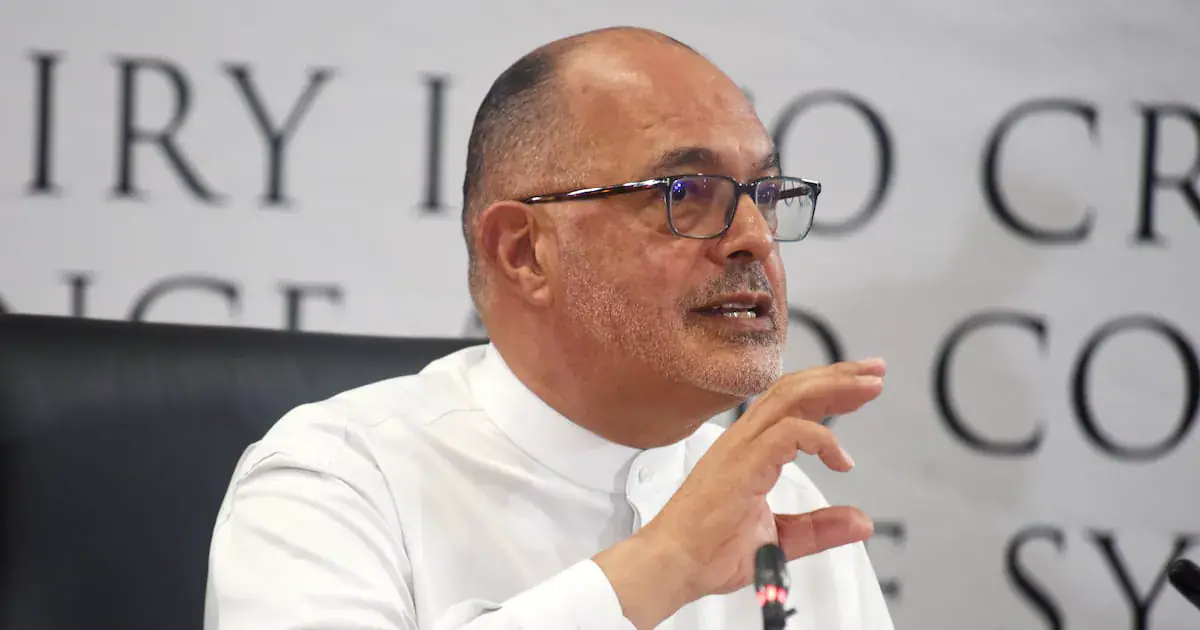
Former South African Revenue Service (Sars) commissioner Edward Kieswetter has proposed that the revenue service be involved in organised crime investigations at an early stage. He made this suggestion during his testimony at the Madlanga commission, which is investigating allegations of criminal infiltration in law enforcement. Kieswetter believes that the tax authority has legal mechanisms to freeze funds in tax offences, which can be used to disrupt criminal networks.
Kieswetter's proposal involves reviewing how crime intelligence secret funds are controlled and allowing law enforcement agencies to involve the tax authority earlier in investigations. This would enable the tax authority to probe possible tax breaches by those facing allegations. He also suggests that the president could constitute an independent body to monitor the commission's recommendations to ensure that they are implemented. This body would be responsible for reviewing, monitoring, and reporting on progress against each recommendation.
According to Kieswetter, tax issues are often found in instances of organised crime. He believes that involving the tax authority early in investigations can help to identify and disrupt criminal networks. The tax authority can apply to a court for a preservation order to freeze bank accounts of individuals under investigation for tax law breaches. This can be done without the knowledge of the person investigated.
The Madlanga commission has heard evidence about money flows from criminal accused to officers, and Kieswetter's proposal is seen as key in investigating those implicated before the commission. Evidence leader Matthew Chaskalson noted that the tax authority's role in collaboration with law enforcement would be critical in taking down organised crime syndicates. He believes that tax offences can be an important tool in tackling organised crime.
Kieswetter's testimony highlights the need for a coordinated response to organised crime. He believes that the state could do more to respond to the system distorting markets, destroying livelihoods, eroding revenue, and weakening public trust. The former Sars commissioner also suggested that the president establish an independent body to monitor the implementation of the commission's recommendations.
The independent body proposed by Kieswetter would be chaired by a retired judge and include respected individuals with the competence and experience in managing and building institutions. This body would carry a high degree of trust with the public and would be responsible for ensuring that the recommendations are implemented.
Kieswetter's proposal will be considered by the commission, although it is under no obligation to make the recommendation in its report to President Cyril Ramaphosa. The commission's recommendations could form part of a broader strategy to dismantle organised crime networks and strengthen law enforcement in South Africa.
Key points
- Involving the tax authority early in organised crime investigations can help to disrupt criminal networks by freezing funds and identifying tax breaches.
Reporting sources
- # 3 Kieswetter: Freeze money flows early to dismantle criminal networks · The Rand Daily Mail