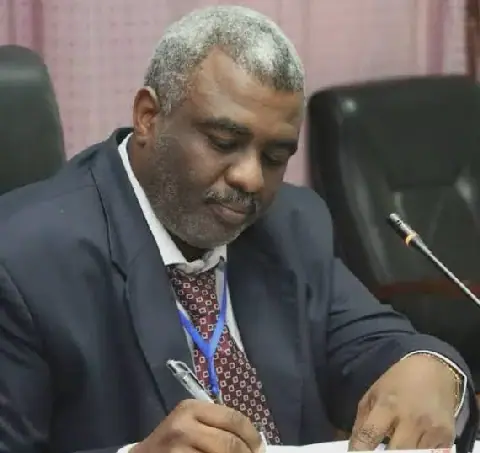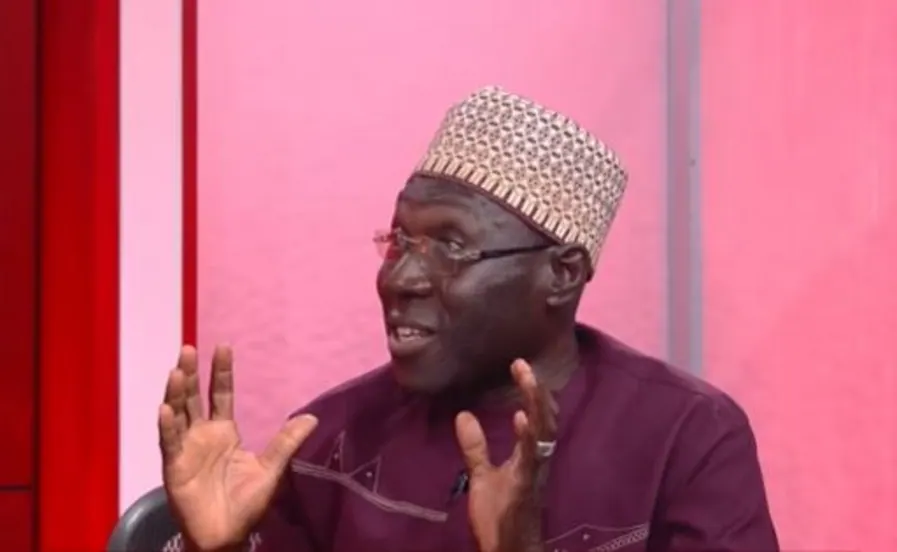
Former Tamale Central MP Inusah Fuseini has expressed his skepticism about Parliament's ability to conduct a meaningful inquiry into the recent cocaine seizure linked to Ghana. Speaking on JoyNews' Newsfile, Fuseini argued that involving Parliament would be a waste of time due to partisan political considerations. He emphasized that he has zero trust in Parliament's ability to investigate the matter and establish what happened. Fuseini's comments have sparked concerns about the effectiveness of a parliamentary inquiry.
The recent cocaine seizure was linked to a container shipped from Ghana that was intercepted by French customs at the port of Dunkirk. Nearly 3.9 tonnes of cocaine were seized from the container. The Minority had called for a parliamentary probe into the matter, prompting the Speaker of Parliament to recall MPs from their recess to sit on Tuesday, September 29, 2026. The parliamentary inquiry aims to uncover the circumstances surrounding the seizure and potential involvement of Ghanaian entities.
Fuseini's position on the parliamentary inquiry is shared by Dr. John Osae-Kwapong, a fellow at the Centre for Democratic Development (CDD-Ghana). Dr. Osae-Kwapong expressed doubt that a parliamentary inquiry into the cocaine seizure will produce meaningful results. He cited concerns that issues are often raised in Parliament, but little to nothing comes out of them. This skepticism raises questions about the effectiveness of a parliamentary inquiry into the cocaine seizure.
The Majority Leader has opposed the parliamentary probe into the cocaine bust, arguing that security agencies should complete their investigations first. This opposition highlights the controversy surrounding the parliamentary inquiry and the potential for partisan politics to influence the outcome. The involvement of security agencies in the investigation is seen as crucial in uncovering the truth behind the cocaine seizure.
The Speaker of Parliament has recalled MPs from their recess to sit on Tuesday, September 29, 2026, to discuss the parliamentary inquiry into the cocaine seizure. This move demonstrates Parliament's commitment to investigating the matter, despite concerns about its effectiveness. The parliamentary inquiry will aim to shed light on the circumstances surrounding the seizure and potential involvement of Ghanaian entities.
The cocaine seizure has sparked a national conversation about the country's role in the global drug trade and the effectiveness of its institutions in combating such crimes. The parliamentary inquiry is expected to examine the potential involvement of Ghanaian entities in the cocaine trade and the country's efforts to prevent such activities. The outcome of the inquiry will be closely watched by the public and stakeholders.
The controversy surrounding the parliamentary inquiry into the cocaine seizure highlights the challenges faced by Ghana's institutions in addressing complex issues. The skepticism expressed by Fuseini and Dr. Osae-Kwapong underscores the need for Ghana's institutions to demonstrate their effectiveness in investigating and addressing national issues. The outcome of the parliamentary inquiry will be crucial in determining the country's ability to tackle such challenges.
Key points
- Former MP Inusah Fuseini has expressed zero trust in Parliament's ability to investigate the recent cocaine seizure linked to Ghana.
- The parliamentary inquiry into the cocaine seizure aims to uncover the circumstances surrounding the seizure and potential involvement of Ghanaian entities.
- The effectiveness of the parliamentary inquiry has been questioned by several stakeholders, including Dr. John Osae-Kwapong and the Majority Leader.