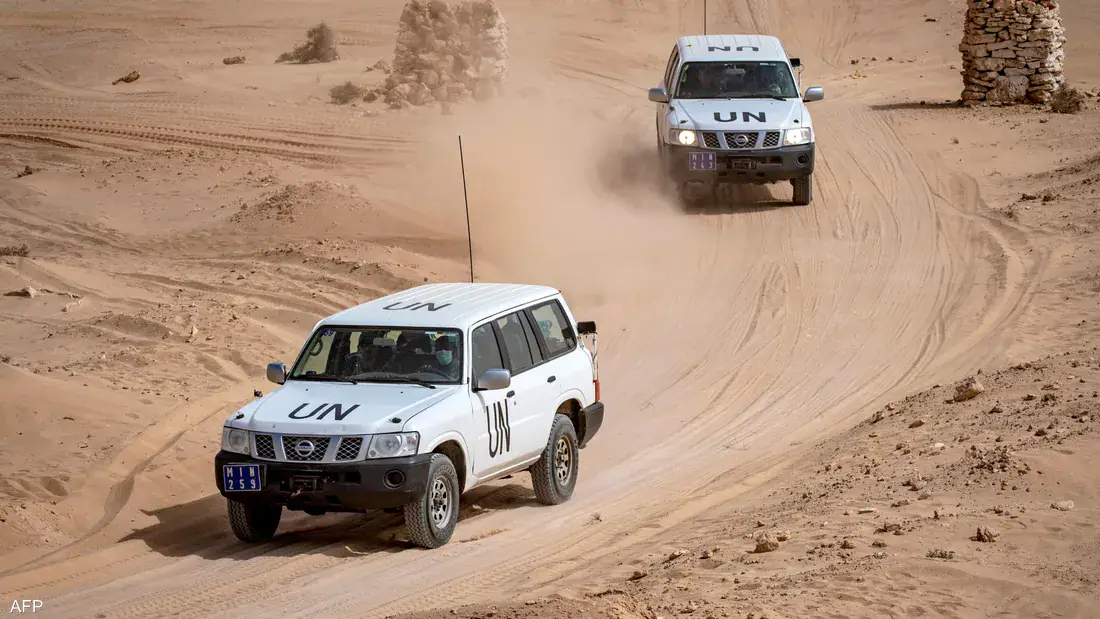
In a recent statement on social media, Julian Harston, former head of the United Nations Mission for the Referendum in Western Sahara (MINURSO), called for the closure of the mission. Established in 1991, MINURSO's primary objective was to organize a referendum; however, Harston emphasized that this goal is no longer feasible. With a current composition of 359 personnel, both military and civilian, Harston described MINURSO as a relic of a bygone era.
Harston, who led MINURSO from 2007 to 2009, stressed that a referendum is no longer a viable option. According to him, the Polisario Front, a key party in the conflict, has never accepted a ceasefire. This assertion aligns with the complexities of the Western Sahara conflict, which has been ongoing for over five decades. Harston's comments come at a critical time, as MINURSO's mandate recently expired.
The UN Security Council voted on a resolution to extend MINURSO's mandate, but Russia exercised its veto power, blocking the measure. The resolution, supported by 11 out of 15 council members, would have extended the mission for another year and emphasized the Moroccan autonomy plan as a key component in resolving the conflict. Harston echoed this stance, advocating for the autonomy plan under Moroccan sovereignty as the only viable solution.
The autonomy plan, proposed by Morocco, aims to grant Western Sahara a degree of self-governance while maintaining Moroccan sovereignty. Harston believes this plan has the support of the international community and urges the UN to adopt a similar stance. The ongoing conflict in Western Sahara has led to a protracted humanitarian crisis and diplomatic tensions between Morocco and the Polisario Front.
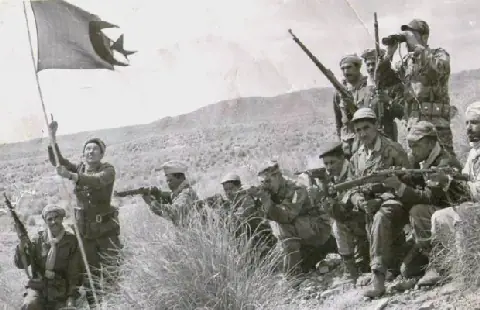
The MINURSO mission has undergone several extensions since its inception in 1991, with varying degrees of success. Despite its efforts to maintain peace and facilitate a referendum, the mission has faced significant challenges. Harston's call for closure reflects growing skepticism about MINURSO's effectiveness in resolving the conflict.
The Western Sahara conflict has significant geopolitical implications, with Morocco and the Polisario Front vying for control. The international community, including the African Union and the European Union, has been engaged in efforts to find a lasting solution. Harston's comments add to the ongoing debate about the best approach to resolving the conflict.
As the situation in Western Sahara continues to evolve, the UN and international stakeholders will need to reassess their approach. With MINURSO's future uncertain, the emphasis on the Moroccan autonomy plan may gain traction. The international community will be closely watching developments in the region, seeking a peaceful and lasting resolution to the conflict.
Key points
- Former MINURSO chief Julian Harston calls for closure of UN mission in Western Sahara
- Harston supports Moroccan autonomy plan as solution to decades-long conflict
- MINURSO's mandate recently expired amid UN Security Council divisions