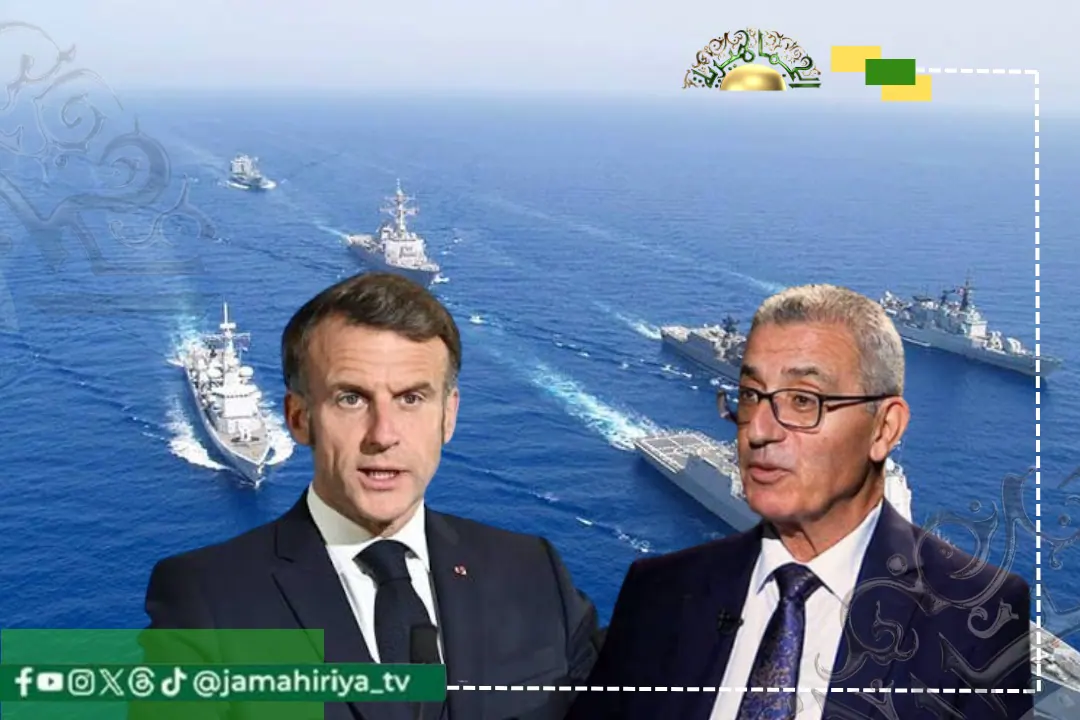
Former Maltese Foreign Minister Evarist Bartolo has disclosed that Malta received threats from French President Emmanuel Macron due to its refusal to participate in a naval blockade intended to prevent Turkish arms shipments from reaching Libya. According to a report by Malta Today, Bartolo made these statements during a keynote speech at a symposium organized by the Institute for Neutrality Studies at Kyoto University. The symposium focused on global disturbances and potential responses.
The threats from Macron occurred during Bartolo's tenure as Foreign Minister from 2020 to 2022, when Malta declined to join a maritime mission targeting arms shipments to the former Government of National Accord. Bartolo revealed that Macron threatened to withdraw a French factory producing electronic chips from Malta, which accounted for nearly half of the country's manufactured goods at the time.
In addition to the economic threat, Greece also pressured Malta by urging shipowners to remove their vessels from the Maltese shipping registry. Greece had been advocating for a naval mission to enforce a blockade on arms supplies to Tripoli, while arms continued to flow to forces in eastern Libya through land routes. This move was part of a broader effort to disrupt the supply chain to the Government of National Accord.
Bartolo's predecessor, Carmel Abela, had negotiated Malta's participation in the mission, but Bartolo strongly opposed the decision upon taking office. He described the mission as ultimately "ineffective," citing its failure to prevent arms from reaching Libya. This highlights the challenges faced by international efforts to enforce a blockade on the conflict-torn country.
The former Foreign Minister also criticized Western powers for often failing to recognize global threats until their own interests are directly affected. He pointed out that other nations have faced similar challenges for centuries, suggesting a need for more proactive and cooperative international approaches to address such issues.
The naval blockade was part of a broader international effort to stabilize Libya, which has been embroiled in conflict since the ousting of Muammar Gaddafi in 2011. The country's instability has had significant implications for regional and global security, with various international actors vying for influence.
Bartolo's revelations shed light on the complex diplomatic dynamics at play in the region, including the involvement of major powers like France, Greece, and Turkey. The situation underscores the need for careful consideration of the interests and actions of all parties involved in efforts to stabilize Libya and prevent further escalation of the conflict.
Key points
- Macron threatened to withdraw a French factory producing electronic chips from Malta if it did not participate in the naval blockade.
- Greece pressured Malta by urging shipowners to remove their vessels from the Maltese shipping registry.
- Bartolo described the naval mission as "ineffective" due to its failure to prevent arms from reaching Libya.