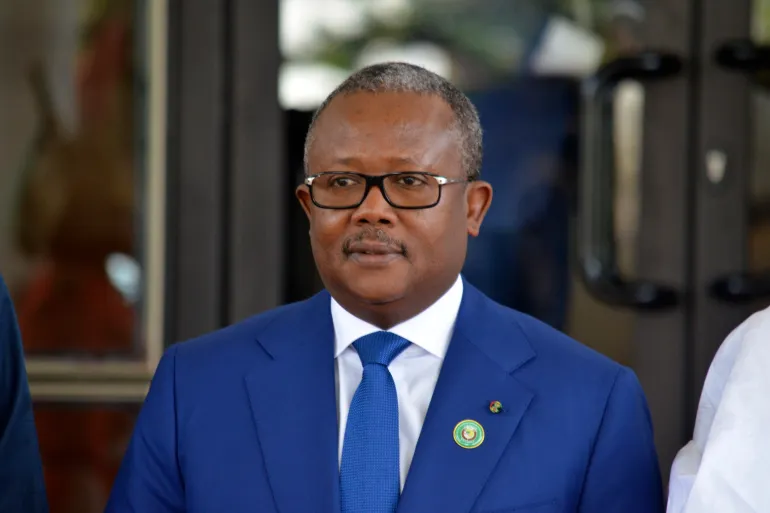
Former Guinea-Bissau President Umaro Sissoco Embaló has announced his intention to return to Guinea-Bissau on October 4. Embaló, who was ousted in a military coup last November, stated that his decision to return was driven by his love for the country and confidence in its future. He called on his supporters to ensure a peaceful and calm reception upon his return. Embaló's announcement was made through a message circulated by local media outlets.
Embaló's return to Guinea-Bissau comes after a prolonged period of exile in Senegal and later Morocco. His ousting was met with widespread criticism from opponents, who described it as a "coup d'état" orchestrated by Embaló himself. However, the transitional military authorities have not expressed opposition to Embaló's return, with Prime Minister Elídio Vieira Té stating that Embaló, as a Guinea-Bissau citizen, has the right to return to the country like any other citizen.
Embaló has also announced his intention to run for president in the upcoming elections, scheduled for December. The elections will mark the end of a nearly year-long transitional period led by General Umaro Horta Ntam. Embaló's return to the political scene has sparked significant interest, with many of his supporters launching a campaign to promote his return and organize a grand welcome.
The campaign, which began on social media platforms, has gained momentum, with several politicians and government officials rallying behind Embaló. The movement, dubbed "Return of Umaro Sissoco Embaló," has been endorsed by various individuals, including some from the transitional government. This development has raised questions about the potential impact of Embaló's return on the country's politics.
Embaló's decision to run for president comes after initially announcing that he would not seek a second term. However, he later reversed his decision, paving the way for a potential comeback. His return to the political scene has also sparked concerns about the role of the military in the country's politics and whether Embaló will be allowed to participate in the elections.
Analysts have noted that Embaló's return to Guinea-Bissau will not be without challenges. According to François Diaz, a Guinea-Bissau political analyst, the main challenge facing Embaló is not his return to the country but rather the stance of the military institution. Diaz questioned whether the military will treat Embaló as a returning citizen or as a politician preparing to contest for power.
Embaló's potential return to power will depend on various factors, including the military's stance on his participation in the elections and his ability to form new alliances. As the country prepares for the polls, Embaló's comeback has added a new layer of complexity to an already dynamic political landscape. The international community will be watching closely as Guinea-Bissau navigates this critical period.
Key points
- Former Guinea-Bissau President Umaro Sissoco Embaló to return to the country on October 4.
- Embaló intends to run for president in the upcoming December elections.
- Embaló's return has sparked a mix of reactions, with some expressing support and others raising concerns about the military's role in the country's politics.