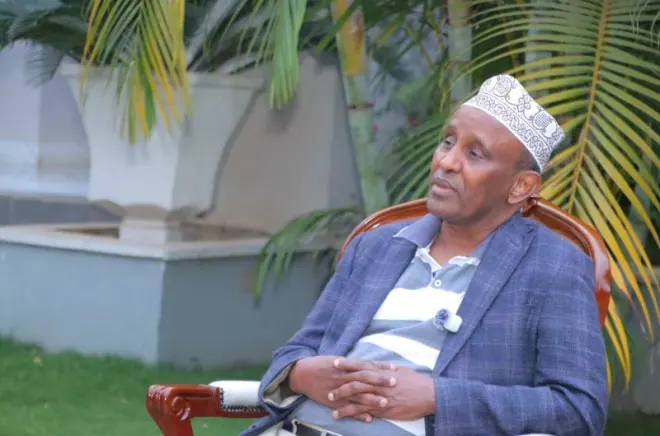
Former Garissa Governor Ali Bunow Korane has called for a shift from periodic security crackdowns to a permanent, intelligence-led approach to tackle rising insecurity in Garissa Town and its environs. Korane stated that the situation had deteriorated over the past two years, with residents reporting various crimes. He argued that the nature of the town made the problem manageable if security agencies worked with reliable local intelligence.
Korane proposed four measures to address the insecurity, starting with a permanent intelligence-led security model to replace episodic crackdowns. He suggested that authorities map crime hotspots and deploy personnel and resources based on evidence rather than waiting for incidents to occur. This approach, he believes, will help prevent crimes from occurring in the first place.
The former governor also proposed a structured community early-warning system bringing together chiefs, elders, religious leaders, business people, boda boda associations, women and youth representatives. This system aims to ensure information reaches security agencies before crimes are committed. Korane emphasized that prevention should complement enforcement, particularly in addressing young people at risk of entering criminal activity.
Korane argued that security agencies and social programmes must work together to prevent crime from becoming entrenched. He also called for a distinction between ordinary urban crime and the Al-Shabaab threat affecting parts of Garissa County and areas close to the Somalia border. Korane believes that phone and watch theft, break-ins and other petty crimes reported in Garissa Town should not automatically be treated as terrorism-related incidents.
The former governor linked the rise in crime to drug and substance abuse, saying some addicts resort to theft and robbery to finance their habits. He called for religious leaders to play a bigger role in prevention, arguing that they could use their influence to encourage young people and communities to avoid criminal activities. Korane believes that an elected administration could work closely with national security agencies to address the problem.
Korane welcomed previous government operations targeting gangs, saying they demonstrated that focused enforcement could restore order. However, he warned that such gains would not last without sustained measures. He proposed permanent neighbourhood intelligence networks, visible patrols in identified hotspots, effective investigations and prosecution, alongside interventions targeting vulnerable youth.
The issue of insecurity in Garissa has been a concern for stakeholders, with a series of security meetings held in June. Garissa Deputy Subcounty Administration Police Commander Hassan Adan has urged residents and security agencies to confront the challenge collectively. Korane's proposals aim to provide a long-term solution to the insecurity problem in Garissa Town and its environs.
Key points
- Korane proposes a permanent intelligence-led security model to replace episodic crackdowns.
- The former governor calls for a distinction between ordinary urban crime and the Al-Shabaab threat.
- Korane links the rise in crime to drug and substance abuse.