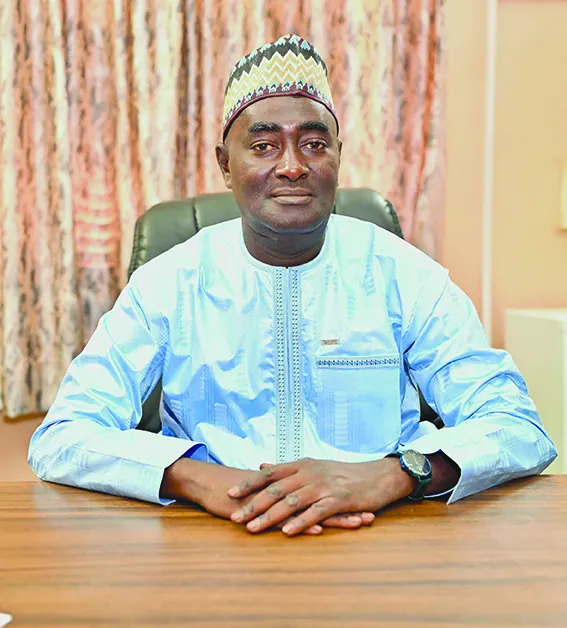
Robert Bourgi, a Franco-Lebanese national born in Dakar, has come forward with revelations about the inner workings of France's influence in Africa. As one of the last remaining associates of Jacques Foccart, the architect of France's African policy, Bourgi has shed light on the mechanisms used by France to exert control over African countries. He claims that France would dictate terms to African leaders, allowing them to remain in power in exchange for control over their countries' natural resources.
Bourgi served as a liaison between France and over a dozen African leaders, advising them on matters of state while working at the Quai d'Orsay, the French foreign ministry. He described himself as a "barbouze" or undercover agent, who would carry briefcases full of cash to influence French politics and elections. Bourgi's confession has sparked widespread attention, providing a unique glimpse into the shadowy world of French-African relations.
According to Bourgi, French leaders, including General Charles de Gaulle, would explicitly tell African leaders that they would ensure their security and defense in exchange for control over their countries' natural resources. This Faustian bargain allowed France to exploit Africa's wealth while maintaining a facade of independence. Bourgi's testimony has sparked debate about the legacy of French colonialism and its ongoing impact on African affairs.
Bourgi's revelations also shed light on the fate of African leaders who fell out of favor with France. He claims that some leaders who had previously cooperated with France were denied access to French territory when they were dying. This has sparked outrage and renewed scrutiny of France's role in African affairs. Bourgi's testimony has also highlighted the ways in which France would manipulate elections in African countries, using its influence to install puppet leaders.
The implications of Bourgi's testimony extend beyond the Franco-African relationship. His revelations have sparked debate about the role of external powers in shaping African politics and the ongoing legacy of colonialism. Many African countries are re-examining their relationships with former colonial powers, seeking greater autonomy and self-determination.
Bourgi's call for African leaders to "turn their backs on France-Afrique" has sparked a renewed conversation about the future of French-African relations. As African countries continue to assert their independence, Bourgi's testimony serves as a reminder of the complex and often fraught history between France and Africa. The extent to which his revelations will shape future relations remains to be seen.
The significance of Bourgi's testimony lies in its potential to reshape the narrative around French-African relations. By shedding light on the inner workings of France's influence in Africa, Bourgi has provided a valuable resource for scholars, policymakers, and African leaders seeking to understand the complex dynamics at play. As the African continent continues to evolve, Bourgi's revelations will undoubtedly remain a key part of the conversation.
Key points
- Robert Bourgi's testimony reveals the dark side of France's influence in Africa, including election manipulation and exploitation of natural resources.
- Bourgi's revelations have sparked debate about the legacy of French colonialism and its ongoing impact on African affairs.
- Bourgi has called for African leaders to "turn their backs on France-Afrique," sparking a renewed conversation about the future of French-African relations.