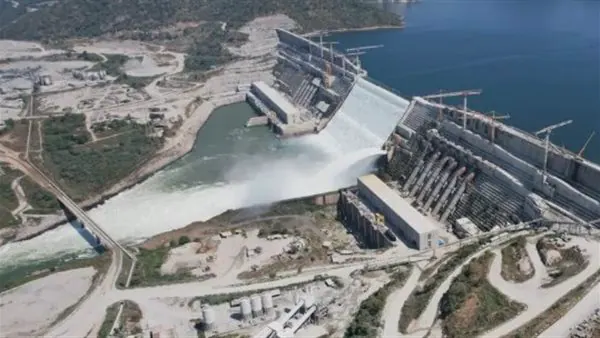
Egypt's former Minister of Water Resources and Irrigation, Mahmoud Abu Zeid, has warned of severe consequences for Egypt if the Ethiopian Renaissance Dam is operated in a worst-case scenario. According to a study by water expert Khalid Abu Zeid, Egypt could lose between half a billion and 3 billion cubic meters of water per year for up to 15 years every 100 years. This would have significant impacts on the country's water resources and agricultural sector.
The potential water losses would also affect Egypt's hydroelectric power generation. The study suggests that the country's power production from the Aswan High Dam could decrease by 20-40%, resulting in economic losses of around 7-14 billion Egyptian pounds per year. This would have far-reaching consequences for Egypt's economy and energy sector.
The agricultural sector would also be severely impacted, with potential deficits in wheat production ranging from 250,000 to 1.25 million tons per year, and rice production deficits of 72,000 to 360,000 tons per year. To make up for these shortfalls, Egypt would need to rely on imports, which would come at a significant economic cost.
According to Abu Zeid, the economic cost of importing wheat and rice to make up for the deficits would range from 4 to 22 billion Egyptian pounds per year, depending on the severity of the water shortages. This would put additional pressure on Egypt's economy, which is already facing significant challenges.
The study's findings suggest that the impacts of the dam's operation would not be limited to Egypt's water resources, but would also have significant effects on the country's agricultural sector and economy. The country's authorities must carefully consider these risks as they negotiate with Ethiopia over the dam's operation.
Abu Zeid emphasized that the potential consequences of the dam's operation are not limited to the water and agricultural sectors, but also have significant implications for Egypt's energy and economy. He called for careful planning and management to mitigate these risks and ensure that Egypt's water and energy needs are met.
The Ethiopian Renaissance Dam has been a source of controversy and concern for Egypt and other downstream countries. The dam's operation is expected to have significant impacts on the region's water resources, and Egypt has been calling for a binding agreement on the dam's operation to mitigate these risks.
Key points
- Egypt faces potential water losses of up to 3 billion cubic meters per year for 15 years every 100 years due to the Ethiopian dam's operation.
- The country's power production from the Aswan High Dam could decrease by 20-40%, resulting in economic losses of around 7-14 billion Egyptian pounds per year.
- The agricultural sector would also be severely impacted, with potential deficits in wheat and rice production.