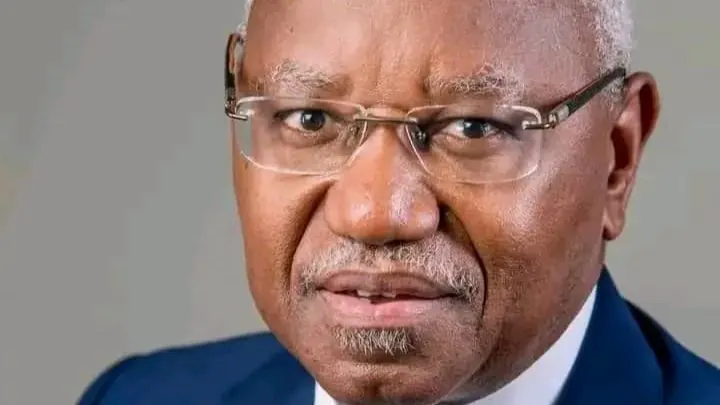
In a recent interview, Jean-Claude Masangu Mulongo, former governor of the Central Bank of Congo (BCC), disclosed information about a previously secretive program involving credit cards issued to high-ranking government officials. The cards, issued by the BCC, were designed to cover the travel expenses of top officials, including the head of state and ministers. Masangu explained that the program was introduced to address a recurring issue where officials would embark on official missions without having the necessary funds.
According to Masangu, the credit cards were issued in the name of the BCC, rather than the government, to ensure institutional credibility. The cards had a strict spending limit, and their use was restricted to specific expenses such as transportation, accommodation, and meals. Masangu emphasized that the cards were not intended for personal use, and any abuse would result in immediate sanctions, including the deactivation of the card.
The program was introduced around 2002 and was later extended to include four vice-presidents and some of their collaborators. The president and minister of finance also benefited from the program. Masangu revealed that the circle of cardholders was limited to officials who regularly undertook official trips. When their terms ended, they were required to return the cards, which were then blocked, withdrawn, and destroyed.
Masangu also shared his assessment of the current state of the Congolese economy, stating that it is more solid today than it was when he left office in 2013. He compared the current situation to when he took office in 1997, describing an economy plagued by hyperinflation at that time. Today, inflation is under control, standing at 3.5%, a significant improvement from the 611% inflation rate during his early days as governor.
The former governor highlighted several key indicators of economic improvement, including a more stable banking sector and an increase in foreign exchange reserves, which now stand at over $8 billion. He also noted that the country's GDP has expanded from $15 billion to $120 billion. Masangu claimed credit for introducing mobile money in the DRC around 2010-2011, under the supervision of the Central Bank.
The credit card program was designed to facilitate the management of official missions, and Masangu denied that it was a privilege or a blank check for its recipients. He emphasized that the program was subject to strict controls and that any misuse would result in severe consequences. The cards were withdrawn from circulation once the beneficiaries left office, and Masangu himself returned his card when he left the Central Bank in 2013.
While Masangu provided insight into the credit card program and the current state of the economy, he declined to comment on the total number of cards issued during his tenure or the period after 2013. The DRC's economic progress has been marked by significant milestones, including debt relief and improvements in the banking sector, which Masangu attributed to the efforts made during his time at the Central Bank.
Key points
- The credit cards were issued to high-ranking officials to cover official travel expenses, with strict spending limits and controls in place.
- The program was introduced to address the issue of officials embarking on missions without necessary funds.
- The DRC's economy has shown significant improvement, with controlled inflation, increased foreign exchange reserves, and expanded GDP.