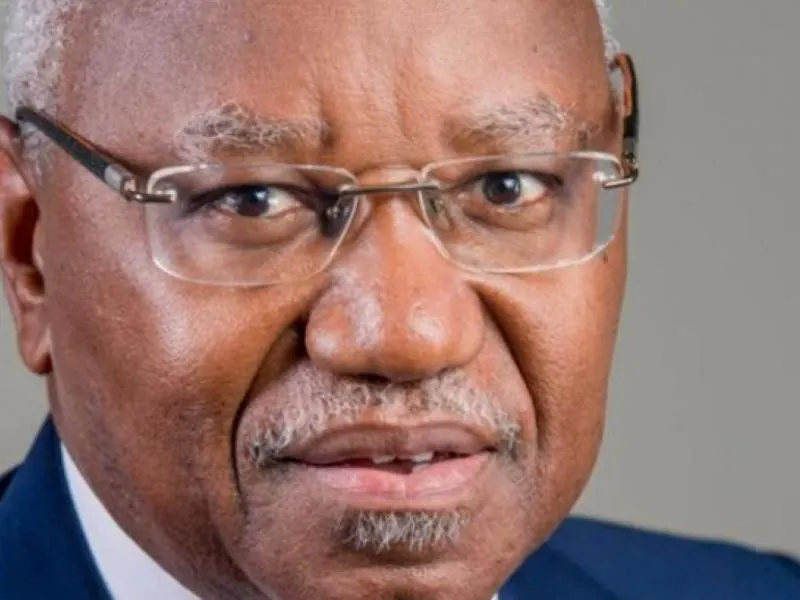
Jean-Claude Masangu Mulongo, former governor of the Central Bank of Congo (BCC), has come forward to claim responsibility for introducing credit cards linked to the Treasury. In a live interview, Masangu Mulongo stated that he was the one who introduced these credit cards for high-ranking officials to use during their foreign missions. The cards were meant to address a practical problem faced by officials who often traveled without sufficient funds.
According to Masangu Mulongo, the credit cards were issued by the BCC in its own name, not in the name of the government. He explained that this was because the BCC had the credibility to facilitate these transactions. The cards were intended for specific purposes such as paying for transportation, accommodation, and meals. Masangu Mulongo emphasized that the cards were not meant for personal use, and any misuse would result in the card being withdrawn.
Masangu Mulongo revealed that the credit card system was introduced around 2002 and was in use by 2003. The cards had a monthly spending limit, which varied depending on the individual. He cited an example of a $15,000 limit and stated that the BCC would debit the Treasury account to cover expenses. The cards were primarily issued to officials who traveled frequently, such as ambassadors and ministers.
The issue of credit cards linked to the Treasury gained attention in 2021 when the Inspector General of Finance (IGF) discovered that Rawbank had issued cards linked to the Treasury account. The IGF reported payments of around 174 million Congolese francs charged to a BCC account in the name of the state. The IGF suspected that some BCC officials may have benefited from the cards and called for the system to be canceled.
In response to the IGF's findings, the Minister of Finance instructed the BCC governor to cancel the cards. Rawbank subsequently deactivated around 30 cards, some of which had already expired. A list of 32 cardholders was obtained, including former ministers and close associates of former President Joseph Kabila.
The introduction of credit cards linked to the Treasury has sparked controversy, with some justifying their use for urgent expenses while others have raised concerns about the lack of transparency and accountability. Masangu Mulongo's revelation has added a new dimension to the debate, as he claims to have introduced the system to facilitate official business.
The controversy surrounding the credit cards has raised questions about the management of public funds and the accountability of high-ranking officials. An investigation by the IGF in 2021 led to the deactivation of the cards, but the issue remains a topic of discussion in the DRC.
Key points
- Former DRC Central Bank Governor Jean-Claude Masangu Mulongo claims to have introduced credit cards linked to the Treasury for high-ranking officials' foreign missions.