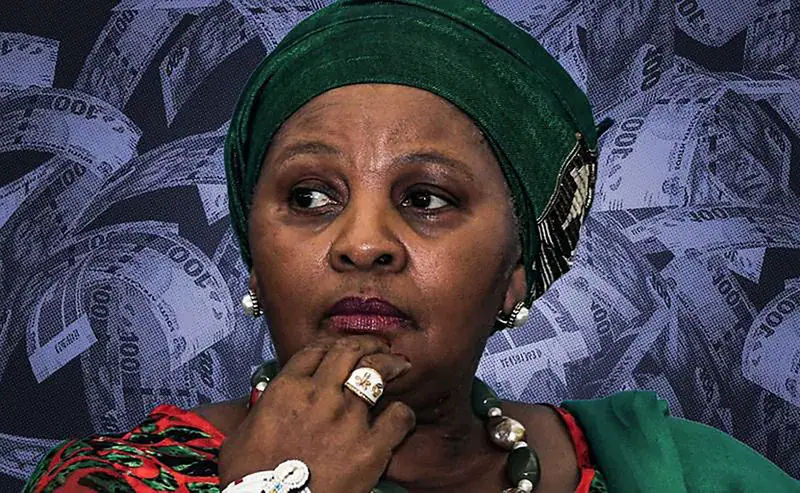
Former National Assembly Speaker and defence minister Nosiviwe Mapisa-Nqakula will know her fate on 3 December as her corruption and money laundering trial heads for judgment. The trial, which began in July, heard testimony from 19 witnesses, four of whom were called by the defence. The State insisted it had proved its case beyond reasonable doubt, while the defence argued that the allegations were built on suspicion rather than evidence linking Mapisa-Nqakula to the alleged kickbacks.
The State alleges that Mapisa-Nqakula solicited gratification from Nombasa Ntsondwa-Ndhlovu, the director of Umkhombe Marine, which had been doing business with the defence force. Luxury renovations at her Bruma home in Johannesburg were allegedly funded through the bribes. However, Mapisa-Nqakula has denied this, arguing that the renovations were funded through her then ministerial salary, travel allowances, and her husband Charles Nqakula's income.
Prosecutor Emile van der Merwe argued that the State had established the elements of corruption, maintaining that Mapisa-Nqakula deliberately solicited and received millions of rands from Ntsondwa-Ndhlovu. He said the evidence supported the State's case on the corruption charges, and that Mapisa-Nqakula had acted deliberately when she requested and received the money and a wig.
The State also argued that the use of cash, coded language, and private meetings were evidence that Mapisa-Nqakula intended to conceal the source of the money. Van der Merwe said the use of cash in circumstances where the source of the funds could not be accounted for was typical of money laundering. A chief financial investigator previously testified that even if Mapisa-Nqakula and her husband had saved every cent they withdrew in cash from their bank accounts over two years, they would still not have had enough money to pay for the extensive renovations at their home.
The defence challenged the State's version, arguing that Ntsondwa-Ndhlovu's own testimony undermined the allegations that she had paid bribes to secure tenders. Advocate Siyabulela Mapoma SC, representing Mapisa-Nqakula, said Ntsondwa-Ndhlovu testified that she never paid anyone any gratification or made any promise for payment for getting tenders. The defence also disputed the State's reliance on the replacement tender, arguing that the evidence did not show that Mapisa-Nqakula had influenced the awarding of it.
Mapoma said Ntsondwa-Ndhlovu had dealt directly with officials and made her own business decisions, including negotiating a reduced tender value of R79-million, without Mapisa-Nqakula influencing the process. He argued that there was no direct link between Mapisa-Nqakula and the tender award, and that the State was asking the court to draw conclusions from suspicion rather than evidence.
Mapisa-Nqakula faces 12 counts of corruption and one count of money laundering. If convicted, she could face significant penalties. The court's judgment will be delivered on 3 December, bringing an end to a trial that has lasted several months. The case has raised questions about corruption and accountability in South Africa's government.
Key points
- The trial has heard testimony about wigs, padkos, cash payments, home renovations, and coded language as the State tried to prove that Mapisa-Nqakula solicited R4.5m in bribes.
- The defence has maintained that the case is built on suspicion rather than evidence linking Mapisa-Nqakula to the alleged kickbacks.
- The court's judgment will be delivered on 3 December, bringing an end to a trial that has lasted several months.