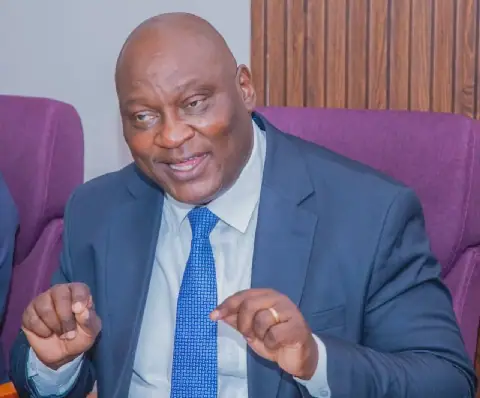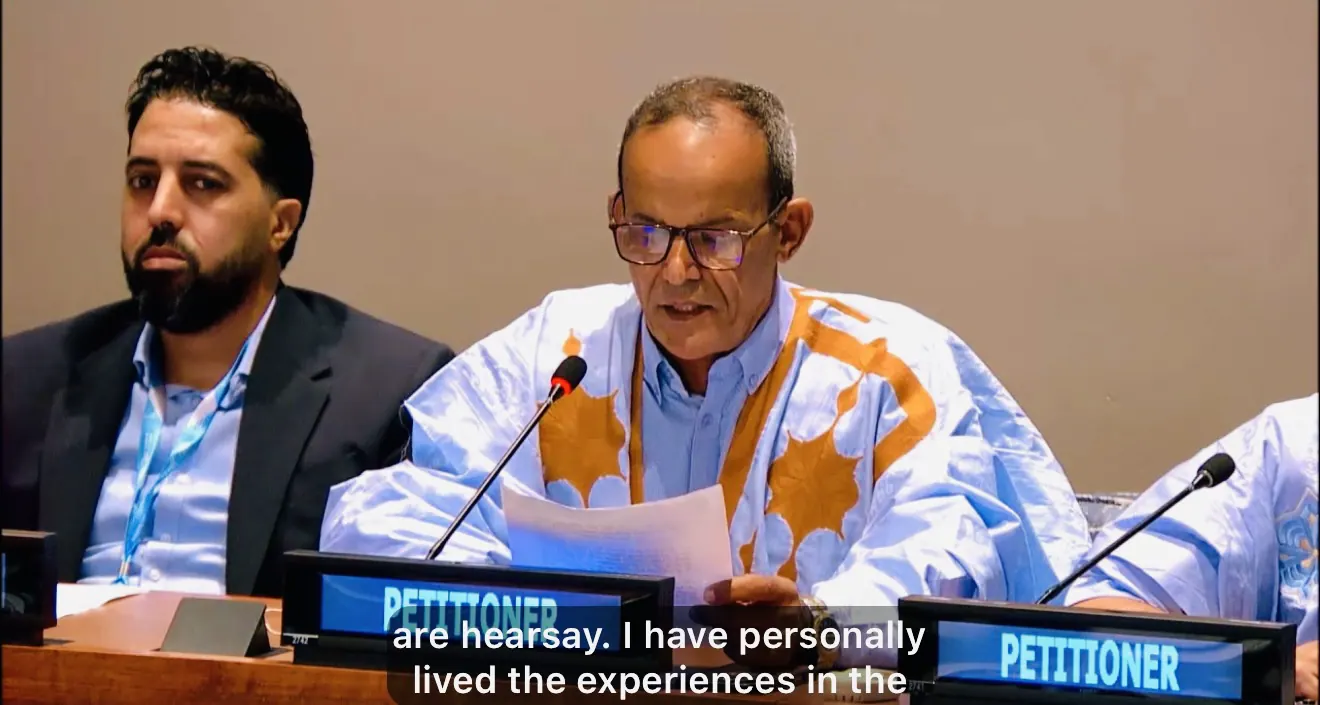
Fadel Abrika, a former detainee of the Polisario Front, addressed the UN's Fourth Committee, highlighting the plight of Sahrawis in Tindouf camps in Algeria. He spoke of his personal experience of being kidnapped and detained for his human rights activism and critical stance towards the Polisario leadership. Abrika emphasized that the Tindouf camps have become a lawless space, run by an armed group in the absence of any possibility of redress before the host country's judiciary.
Abrika revealed that he was one of the victims of human rights abuses by Polisario militiamen, subjected to various forms of torture and ill-treatment. He stated that his intervention before the committee stemmed from a deep conviction that the situation of human rights and freedoms in Tindouf camps should be at the center of the committee's attention. Abrika pointed out that the camps have been transformed into a space where lawlessness prevails, and a quasi-military group manages it.
Abrika recounted his experience of detention in the Rashid and Al-Dhahabiya centers, noting that he was not the only one who had endured such treatment. He mentioned that numerous Sahrawis had been detained and interrogated under torture, adding that there were over twenty secret detention centers in the camps. International organizations, including the UN Human Rights Committee, Human Rights Watch, Amnesty International, and the French Liberty Foundation, have documented testimonies of torture and executions, particularly at the Rashid center.
Abrika countered the Polisario's claims, stating that those who speak on its behalf are actually representatives of an armed organization involved in serious human rights abuses in Tindouf camps. He expressed his pain at the fact that this armed organization, which has been documented as responsible for abuses against Sahrawis who opposed or criticized it, represents the Sahrawis. Abrika emphasized that the Polisario is responsible for the suffering of Sahrawis, but the primary legal responsibility lies with the Algerian state.
Abrika stressed that the Algerian state, with its clear international obligations, cannot be absolved of its responsibility for the abuses committed in Tindouf. He argued that Algeria's hosting and protection of the Polisario, allowing it to evade accountability, makes it primarily responsible for the suffering of Sahrawis. Abrika's testimony aimed to shed light on the human rights situation in Tindouf camps and hold the responsible parties accountable.
The issue of Tindouf camps has been a longstanding concern for human rights organizations and the international community. The camps have been criticized for their lack of transparency, accountability, and humanitarian access. Abrika's testimony before the UN committee highlights the need for greater scrutiny and action to address the human rights abuses in the camps.
The international community has called for greater humanitarian access and accountability in Tindouf camps. Algeria has been urged to ensure the protection of human rights and to allow for independent monitoring of the camps. The situation in Tindouf remains a pressing concern, with many Sahrawis continuing to face human rights abuses and lack of access to basic services.
Key points
- The Algerian state bears primary legal responsibility for human rights abuses in Tindouf camps.
- Fadel Abrika's testimony before the UN committee highlights the need for greater scrutiny and action to address human rights abuses in Tindouf camps.
- The Tindouf camps have been criticized for their lack of transparency, accountability, and humanitarian access.