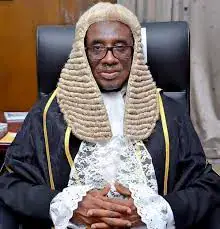
The Cour de Répression des infractions économiques et du terrorisme (CRIET) in Benin has sentenced Louis-Philippe Houndégnon, a retired general and former director of the police, to two years in prison. The sentence was handed down on November 23 in Cotonou. Houndégnon was found guilty of "harassment by electronic means" and "incitement to rebellion." The charges stem from critical comments he made about the governance of former President Patrice Talon in videos and interviews posted on social media.
Houndégnon's defense team, led by lawyers François Kèkè and Fidèle Abouta, had argued that their client was innocent and that the charges against him were unfounded. They claimed that there was no victim and no witness in the case, and that the trial was a "judicial ordeal" that had been prolonged and complicated. The lawyers had requested that their client be acquitted. However, the prosecution had a different interpretation of the case, acknowledging Houndégnon's right to free speech while also emphasizing the expectations of neutrality, discretion, and reserve that come with his former rank.
The prosecution noted that even though Houndégnon was no longer an active police officer, he still had a responsibility to uphold the values of his former position. The court ultimately handed down the maximum sentence allowed for the charges. Houndégnon had already spent over two years in provisional detention. Given that his sentence is considered to have been served, he is expected to be released from prison.
Despite the impending release, Houndégnon's lawyers expressed disappointment with the outcome. Me Fidèle Abouta described the result as a "Pyrrhic victory," while Me François Kèkè said he was extremely disappointed. The defense team had hoped for a more favorable outcome, given their arguments that the charges against their client were unfounded.
The case against Houndégnon highlights the complexities of free speech and accountability in Benin. The country has faced criticism for its human rights record, particularly with regard to freedom of expression. The sentencing of Houndégnon has sparked concerns about the limits of free speech and the potential for government overreach.
Houndégnon's case is also notable for its connection to the previous administration of President Boni Yayi. During Yayi's presidency, Houndégnon served as the director general of the police. His comments critical of Talon's governance may have been seen as a challenge to the current administration.
The court's decision in the case has been seen as a significant development in Benin's ongoing struggles with governance and accountability. As the country continues to navigate these challenges, the case of Louis-Philippe Houndégnon serves as a reminder of the tensions between free speech and authority.
Key points
- Houndégnon was sentenced to two years in prison for harassment and incitement to rebellion.