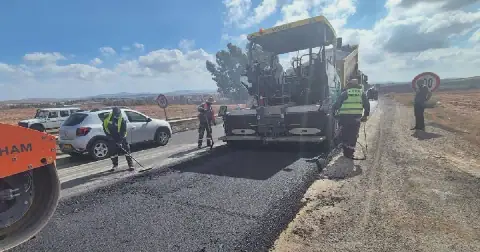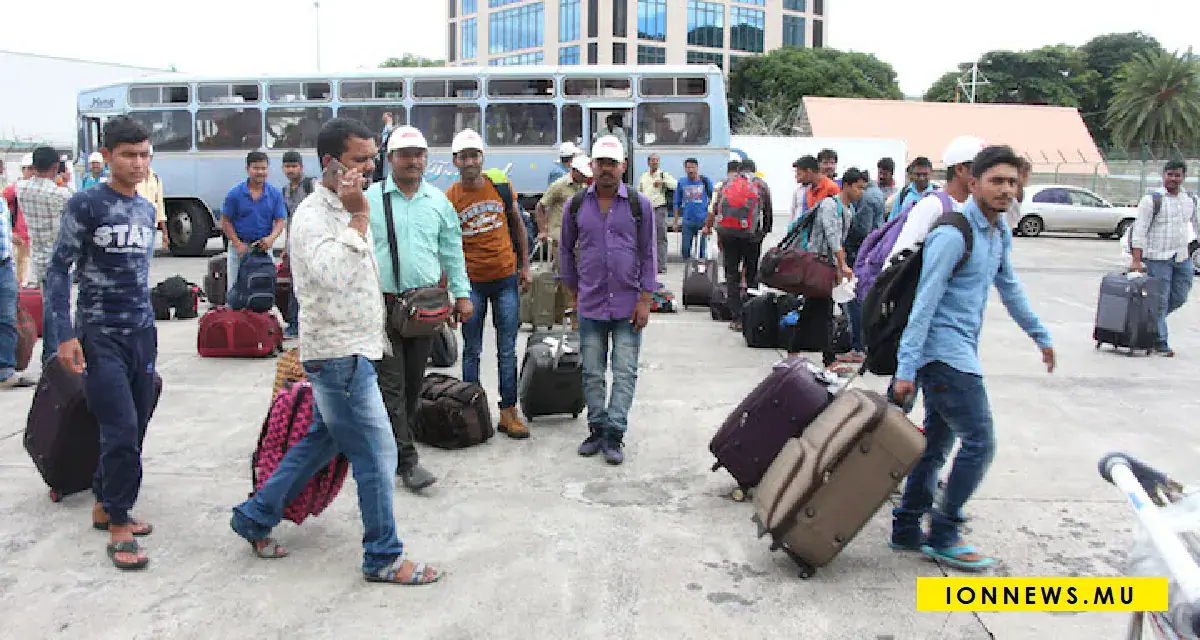
The fatal accident involving three Bangladeshi workers on a construction site in Plaine-des-Papayes has reignited concerns about the working conditions of foreign workers in Mauritius. The incident has brought to the forefront issues such as underpayment, unpaid overtime, harassment, and lack of training. These concerns were raised by union representatives who have been advocating for better treatment and protection of foreign workers. The accident has also led to renewed scrutiny of the recruitment process and the responsibilities of employers.
Ivor Tan Yan, spokesperson for the Sindika Travayer Ek Travayer Etranze Tou Sekter, questioned the circumstances surrounding the accident, highlighting the need for proper experience and training for workers. He expressed concern that foreign workers are often neglected and that abuses by some employers harm Mauritius' international reputation. Tan Yan also criticized recruiters for prioritizing profits over the welfare and protection of workers. He proposed introducing a transitional permit to help small and medium-sized enterprises recruit workers more easily due to labor shortages.
Stéphane Maurymoothoo, president of the Regroupman Artizan Morisien (RAM), also raised concerns about the competence and training of workers recruited for potentially hazardous tasks. He argued that there is a double standard in the requirements for Mauritian workers seeking employment abroad and the vetting process for foreign workers in Mauritius. Maurymoothoo emphasized that simply bringing in foreign workers does not solve the problem of labor shortages. His comments underscore the need for a more balanced approach to addressing labor needs while ensuring worker safety and rights.
The concerns raised by Tan Yan and Maurymoothoo reflect a broader issue affecting many foreign workers in Mauritius. The debate highlights the challenges in balancing labor needs with the imperative to protect workers' rights and ensure their safety. With the construction sector being a significant employer of foreign workers, the industry has faced criticism for its handling of labor issues. The government and stakeholders must address these concerns to prevent further incidents and promote a fair and safe working environment.
The accident and subsequent debate have also brought attention to the role of recruiters in ensuring that foreign workers are properly equipped to perform their jobs safely. Tan Yan's accusations against recruiters for prioritizing profits over worker welfare have sparked calls for greater accountability in the recruitment process. This includes ensuring that workers receive adequate training and support to perform their tasks safely and effectively.
To address these issues, stakeholders are advocating for policy changes and better enforcement of existing regulations. This includes stricter vetting of recruiters, enhanced training programs for foreign workers, and more robust mechanisms for reporting and addressing abuses. The proposed transitional permit for small and medium-sized enterprises is seen as a potential solution to labor shortages while protecting workers' rights.
The Mauritian government faces pressure to act swiftly to address the concerns raised by union representatives and other stakeholders. With the country's reputation as an attractive destination for foreign workers at stake, authorities must demonstrate a commitment to protecting workers' rights and ensuring their safety. The outcome of this debate will likely have significant implications for the treatment of foreign workers in Mauritius and the country's labor market policies.
Key points
- Foreign workers in Mauritius face concerns over underpayment, unpaid overtime, harassment, and lack of training.
- Union representatives are calling for policy changes, including stricter vetting of recruiters and enhanced training programs.
- The Mauritian government is under pressure to address labor issues and protect workers' rights to maintain the country's reputation.