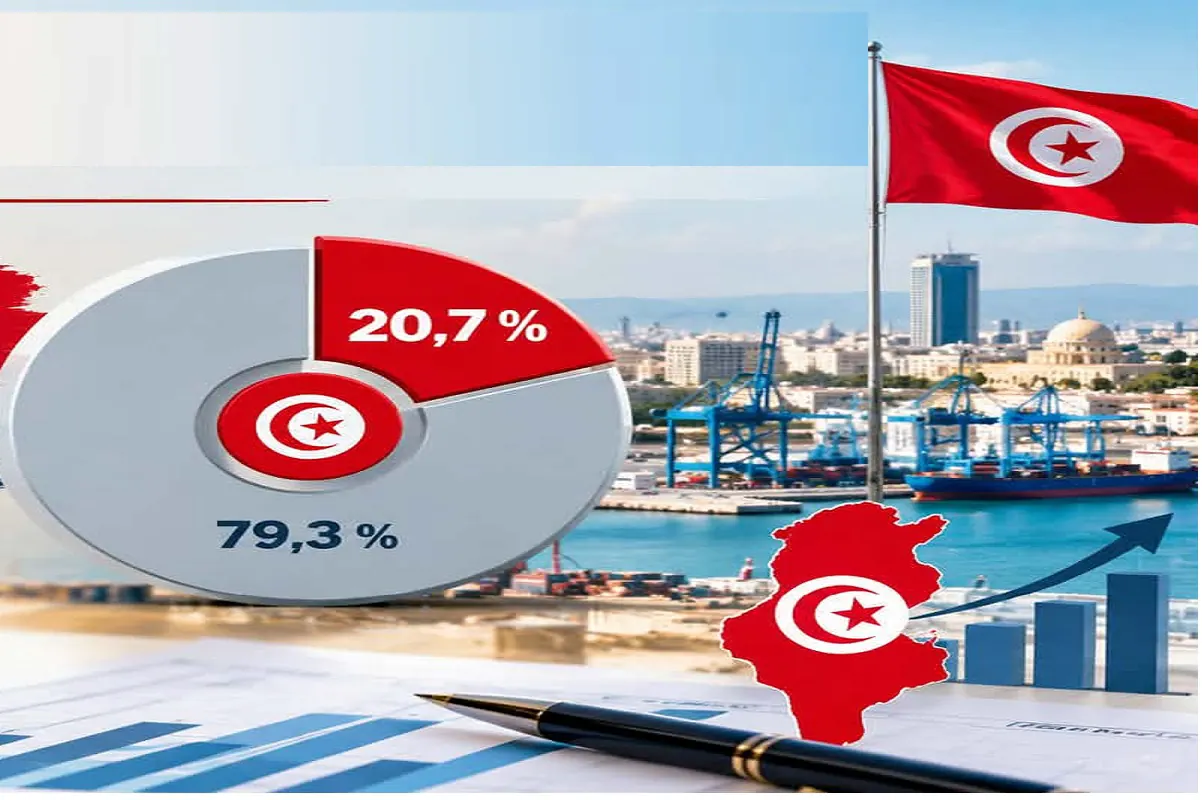
A recent study by the International Labour Organization (ILO) reveals that foreign multinational companies play a significant role in Tunisia's economy, accounting for 20.7% of the country's GDP. This percentage is the highest among Tunisia, Morocco, and Egypt. The study, titled "FDI and Global Value Chains in Tunisia, Egypt, and Morocco: What is their Impact on Employment?", analyzed data on production and employment, including international input-output tables for 2019.
In comparison, foreign companies contribute 14.7% to Morocco's gross production and 11.1% to Egypt's. Despite their substantial role in Tunisia's economy, the production of foreign subsidiaries has stagnated at around $14 billion since the early 2010s. In contrast, Egypt has seen a nearly threefold increase in production between 2000 and 2020, reaching almost $55 billion, while Morocco has experienced steady growth, reaching approximately $30 billion.
The ILO attributes Tunisia's relatively modest performance to a limited base of foreign business activities and a weaker recovery after successive crises. The study highlights that trade has a positive impact on employment in foreign subsidiaries. The wholesale and retail trade sector is the largest employer of foreign subsidiaries in all three countries, accounting for around 27.5% of their workforce in Tunisia, compared to over 33% in Morocco and nearly 25% in Egypt.
In Tunisia, the manufacturing sector, excluding food processing, accounts for around 10% of jobs in foreign subsidiaries. Warehousing and IT services are also significant activities. Foreign companies play a crucial role in Tunisia's foreign trade, with their exports representing between 13% and 14% of the country's gross value added during most of the studied period, while their imports accounted for around 10% in 2019.
The main export activities of foreign multinationals operating in Tunisia include IT and electronics, wholesale trade, and the automotive industry. In Morocco, exports by foreign subsidiaries are heavily concentrated in the automotive industry, with vehicles representing over 20% of exports and chemicals around 17%. In Egypt, the extractive industries dominate the production of foreign multinationals, reflecting the importance of hydrocarbons in the country's economy.
The services sector remains a significant contributor to the operations of foreign multinationals in all three countries. Financial and insurance activities, as well as wholesale and retail trade, account for more than half of the production of foreign subsidiaries in the services sector. Administrative services, scientific and professional activities, and telecommunications also contribute to their operations.
The study's findings highlight Tunisia's relatively high dependence on foreign companies in terms of gross production and international trade, while also underscoring the gap between their relative economic weight and the overall scale of their production.
Key points
- Foreign multinationals contribute 20.7% to Tunisia's GDP.
- The wholesale and retail trade sector is the largest employer of foreign subsidiaries in Tunisia, Morocco, and Egypt.
- The production of foreign subsidiaries in Tunisia has stagnated at around $14 billion since the early 2010s.