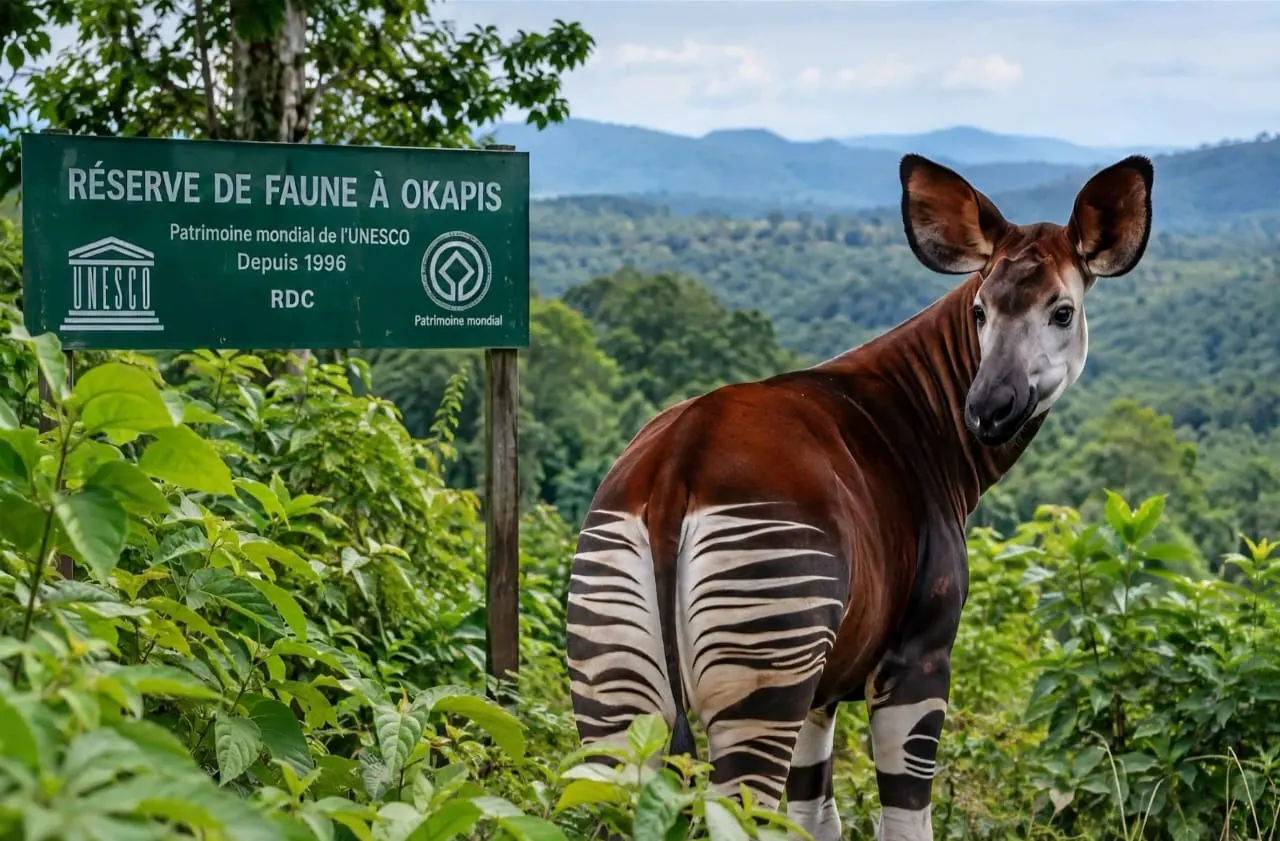
The Forum for Engaged Development (FORED) has strongly condemned the attack that resulted in the death of an eco-guard in the Okapi Wildlife Reserve (RFO) in the Ituri province of the Democratic Republic of Congo. In a statement released on October 1, FORED expressed its condolences to the family of the victim, colleagues, and all stakeholders involved in biodiversity conservation in the country.
The Okapi Wildlife Reserve, a UNESCO World Heritage Site since 1996, continues to face multiple threats, including armed groups, illegal activities, mining, and poaching. According to UNESCO's 2026 report, these threats compromise the site's integrity. FORED emphasized that protecting biodiversity in areas threatened by armed groups requires ensuring the safety of those who defend it daily.
In response to the situation, FORED proposed five recommendations. Firstly, the Congolese government should enhance the reserve's security and protect eco-guards, local communities, and conservation infrastructure. Secondly, the ICCN and its partners should strengthen early warning mechanisms, communication, logistics, and coordination while respecting community rights.
FORED also called on international partners and UNESCO to maintain technical and financial support for conservation activities despite the security context. Additionally, local communities should be more involved in community surveillance, alert, and prevention mechanisms against wildlife crime. Authorities should document attacks and prosecute perpetrators according to the law.
FORED emphasized that while combating armed groups is the responsibility of competent authorities, civil society must continue to document, alert, and raise awareness to defend the right to a healthy environment for present and future generations. The organization stressed that protecting the okapi and eco-guards is crucial for preserving the country's natural heritage and the communities that depend on it.
FORED's recommendations aim to address the complex security and conservation challenges in the Okapi Wildlife Reserve. The organization called for a coordinated response based on three priorities: security, conservation, and community protection.
The killing of the eco-guard highlights the risks faced by conservationists in the region. FORED's statement concluded by emphasizing the importance of protecting the okapi, eco-guards, and the reserve, which are all interconnected and essential for preserving the country's natural heritage and supporting local communities.
Key points
- FORED condemns the killing of an eco-guard in the Okapi Wildlife Reserve and calls for enhanced security measures.
- The Okapi Wildlife Reserve faces multiple threats, including armed groups, illegal activities, and poaching.
- FORED proposes five recommendations to address the security and conservation challenges in the reserve.