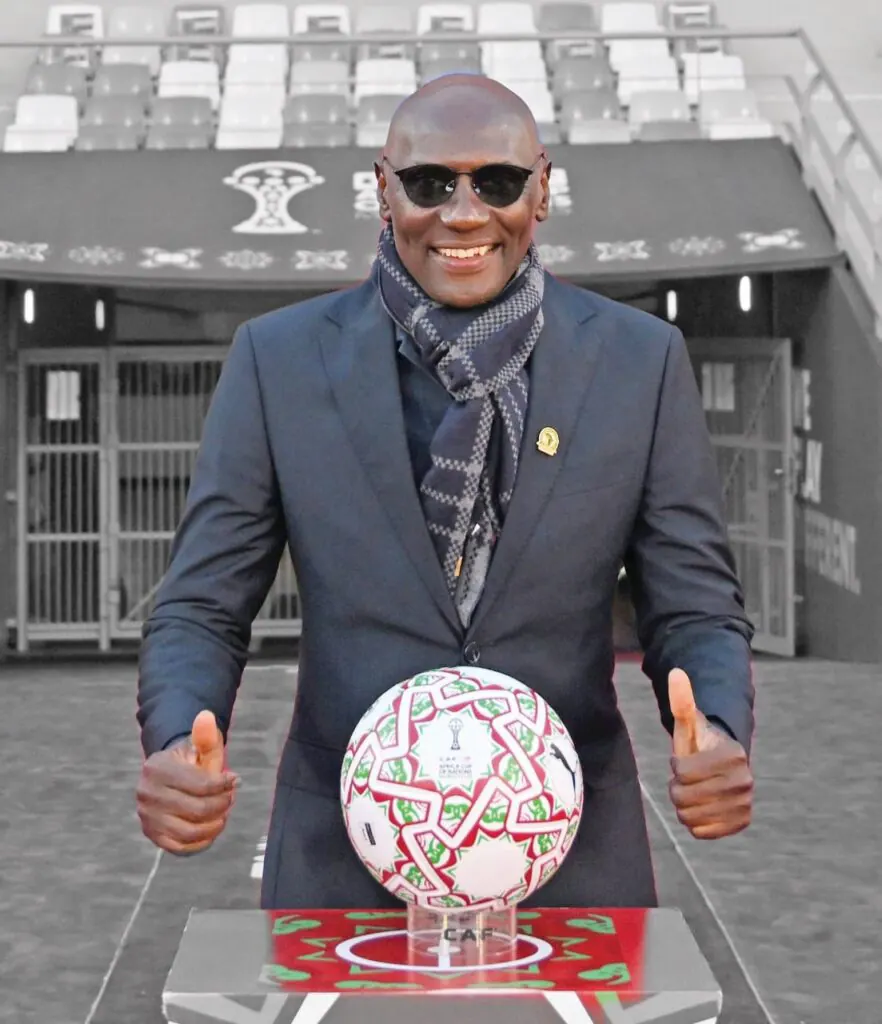
The recent Cosafa Potential General Coordinator workshop, facilitated by Namibia Football Association (NFA) head of operations and CAF general coordinator Titus Kunamuene, highlighted the importance of empowering local football officials. The workshop, held in Botswana during the Cosafa Women Championship, was attended by officials from the Botswana Football Association, with 70% representation of women. Kunamuene emphasized the need to empower women in the discipline of general coordinators. The workshop was fruitful and interactive, showcasing the potential and willingness of Botswana officials to take the initiative forward.
The Cosafa workshop was part of a larger programme, the Legacy Programme, which aims to leave a lasting impact on the host country. Kunamuene explained that workshops of this magnitude typically take place during tournaments in a given country. The workshop in Botswana consisted of 30 participants from different regions, who engaged in various sessions, including a referee course, a general coordinators workshop, and a technical study group. These initiatives aim to empower the host country's football officials to manage their football affairs effectively.
General coordinators play a vital role in ensuring the smooth execution of matches and tournaments. According to Kunamuene, a general coordinator is the chief executive of the match or competition, responsible for ensuring that all aspects of the game are properly organised. They are typically appointed by the Confederation of African Football (CAF), International Federation of Football Associations (Fifa), or Cosafa. The general coordinator's responsibilities include inspecting the stadium, dressing rooms, and other facilities to ensure they meet the required regulations.
Kunamuene outlined the general coordinator's key responsibilities, including arriving at the stadium five hours before kickoff and staying for three hours after the match to ensure a smooth closure. They also chair the match coordination meeting, which takes place a day before the match, bringing together all stakeholders, including referees, security personnel, broadcasters, and medical teams. This meeting is crucial in ensuring that all aspects of the match are well-coordinated.
The general coordinator's role extends beyond the match itself, as they are responsible for inspecting the stadium and its facilities to ensure compliance with regulations. This includes the VIP areas, media tribune, doping control room, and medical facility. Kunamuene emphasized that the general coordinator must ensure that all facilities meet the set regulations, and that the match is properly organised according to the specific competition's regulations.
The Cosafa workshop in Botswana was a significant step towards empowering local football officials, particularly women. Kunamuene expressed his satisfaction with the workshop's outcome, noting that it was fruitful and interactive. The workshop demonstrated the potential and willingness of Botswana officials to take the initiative forward, and it is expected that the impact of the workshop will be felt in future tournaments.
The Legacy Programme, under which the workshop was conducted, is a key initiative by Cosafa to leave a lasting impact on host countries. By empowering local football officials, Cosafa aims to ensure that the host country is equipped to manage its football affairs effectively, even after the tournament has concluded. The programme's success will be evident in the continued growth and development of football in Botswana and other host countries.
Key points
- Empowering women in football is a key aspect of Cosafa's initiatives.
- General coordinators play a vital role in ensuring the smooth execution of matches and tournaments.
- The Legacy Programme aims to leave a lasting impact on host countries by empowering local football officials.