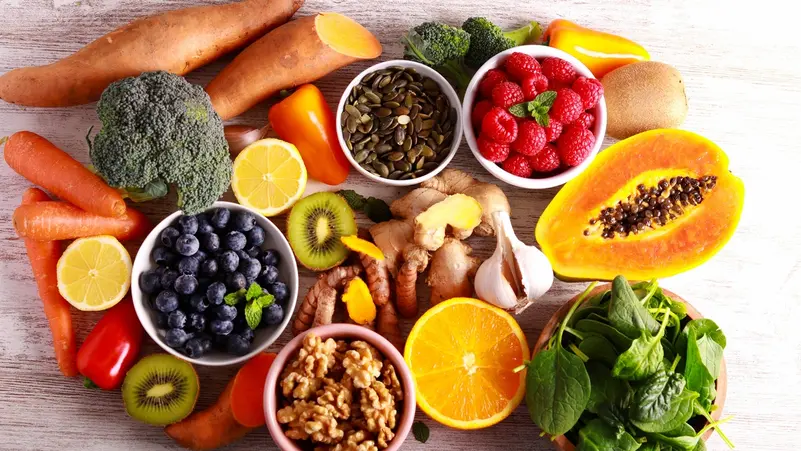
As the seasons change, many people look for ways to add warmth and comfort to their meals. However, some foods can do more than just provide flavor and satisfaction. Certain autumnal foods, such as apples, pomegranates, and pumpkins, have anti-inflammatory properties that can help reduce inflammation and support immune function. According to Lauren Manaker, a registered dietitian from South Carolina, these foods contain compounds that have been shown to have anti-inflammatory effects.
Apples are a quintessential autumn food that has been linked to several health benefits. They contain a range of polyphenols, which are plant-based compounds that have been shown to have anti-inflammatory properties. The skin of apples is particularly rich in polyphenols, which may help reduce inflammation and support immune function. Manaker notes that apples are a great addition to a healthy diet, and can be enjoyed in a variety of ways, from snacking on fresh apples to adding them to salads and smoothies.
Pomegranates are another autumn food that is rich in anti-inflammatory compounds. According to Kerry Ganz, a registered dietitian from New York, pomegranates contain a range of polyphenols, including anthocyanins and punicalagins, which have been shown to have anti-inflammatory and antioxidant effects. These compounds may help reduce inflammation and support immune function, making pomegranates a great addition to a healthy diet.
Brussels sprouts are a popular autumn vegetable that has been linked to several health benefits. Ganz notes that Brussels sprouts are rich in anti-inflammatory compounds, and may help reduce inflammation and support immune function. A diet rich in anti-inflammatory foods, such as Brussels sprouts, may help reduce chronic inflammation and support overall health.
Walnuts are a nutritious food that is rich in anti-inflammatory compounds. They contain a range of polyphenols, as well as alpha-linolenic acid, a type of omega-3 fatty acid that has been shown to have anti-inflammatory effects. Ganz notes that walnuts are a great addition to a healthy diet, and can be enjoyed in a variety of ways, from snacking on them raw to adding them to salads and baked goods.
Pumpkins are a quintessential autumn food that is rich in anti-inflammatory compounds. They contain a range of carotenoids, including beta-carotene, which has been shown to have anti-inflammatory and antioxidant effects. Manaker notes that pumpkins are also a good source of vitamin C, vitamin E, and zinc, which are all important for immune function and overall health.
While these foods may have anti-inflammatory effects, it's essential to maintain a balanced diet that includes a variety of whole foods. Ganz notes that there is no single "anti-inflammatory" food, and that a healthy diet should include a range of fruits, vegetables, whole grains, and lean protein sources. By incorporating these foods into your diet, you may be able to reduce inflammation and support immune function, which can have a range of health benefits.
Key points
- Incorporating anti-inflammatory foods, such as apples, pomegranates, and pumpkins, into your diet may help reduce inflammation and support immune function.
- A diet rich in anti-inflammatory foods may help reduce chronic inflammation and support overall health.
- Maintaining a balanced diet that includes a variety of whole foods is essential for overall health and well-being.