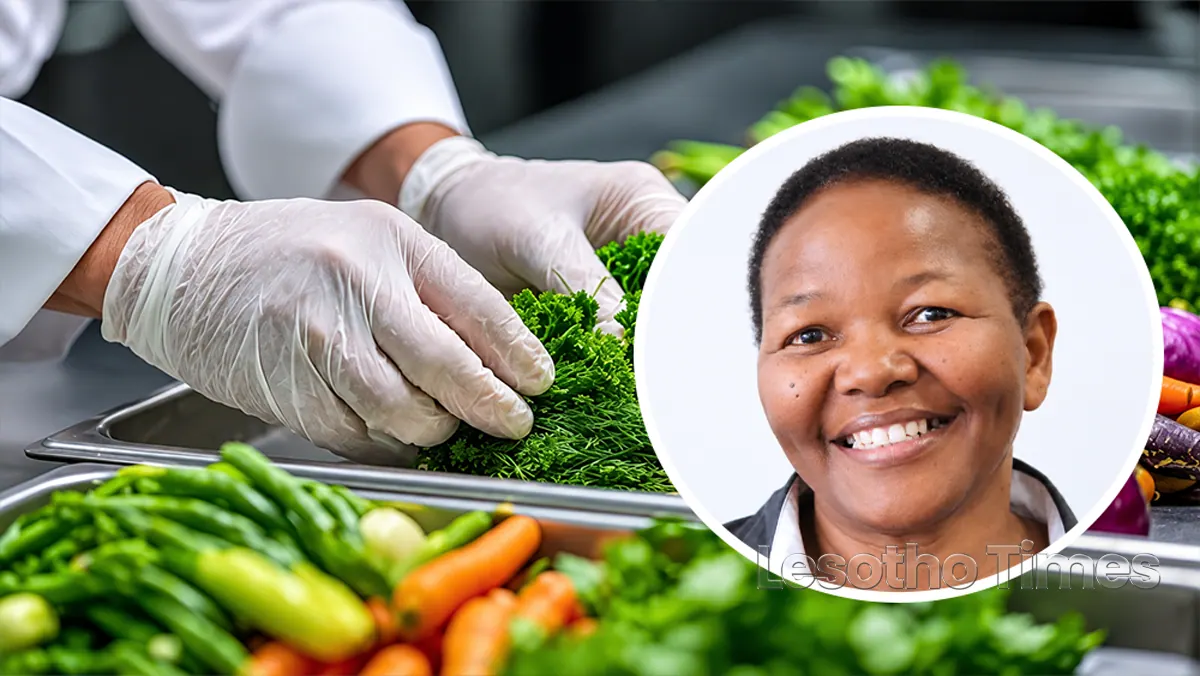
Professor Mpinane Flory Senekane, a University of Johannesburg food specialist, has urged Basotho to improve hygiene practices during food preparation, particularly at funerals and gatherings. She warns that poor hygiene, cross-contamination, and improper storage can put people's health at risk. According to Prof Senekane, communities should establish groups to promote proper food-handling practices, making it easier to ensure everyone involved in food preparation understands the importance of hygiene.
Prof Senekane's warning comes ahead of the festive season, when families traditionally hold numerous gatherings and ceremonies involving large quantities of food. She notes that the attitude towards food may be harming Basotho in ways they are not aware of, especially during festivities involving many people. Prof Senekane emphasizes that the cause of discomfort experienced by many people after eating at funerals or gatherings is often not the result of cultural beliefs, but rather a combination of food mishandling, tool usage, and overall hygienic practices.
The Maseru-born nutritionist highlights that some food-related illnesses are wrongly attributed to cultural beliefs rather than possible contamination. She notes that Basotho often believe that if many people suffer discomfort after eating at a funeral, it must be due to the person who slaughtered the animal having a bad hand. However, Prof Senekane stresses that slaughtering animals for human consumption requires careful attention, including checking for signs of disease.
Prof Senekane emphasizes the importance of properly draining blood from a carcass before meat is prepared. She notes that it is crucial for the carcass to be well-dried, allowing every ounce of blood to be drained before it is prepared. Additionally, she stresses that knowledgeable community members can assist in guiding and checking if the carcass is good for consumption, especially in cases where veterinarians are not readily available.
Prof Senekane also urges families organizing funerals to ensure that people who volunteer to prepare food observe basic personal hygiene. She notes that ladies who cut vegetables should bathe and clean their nails before handling food. Furthermore, she emphasizes that food preparation surfaces and utensils should be properly maintained, and tools made of metal should not be used if they are rusty.
Prof Senekane warns against using the same utensils for different types of meat without proper cleaning, citing the risk of cross-contamination. She notes that unsafe food-handling practices can expose communities to a range of diseases, including cancer. Prof Senekane advises consumers to pay attention to how vegetables are cleaned before cooking and to store meat properly, especially due to Lesotho's unreliable electricity supply.
Prof Senekane concludes by urging communities to treat food safety as a shared responsibility, particularly during large gatherings. She emphasizes that rather than relying on traditional explanations for food-related illnesses, Basotho should take practical steps to ensure safe food handling practices. By doing so, they can reduce the risk of food-related illnesses and promote a healthier community.
Key points
- Professor Mpinane Flory Senekane urges Basotho to adopt safer food preparation and handling practices to reduce the risk of food-related illnesses.
- Poor hygiene, cross-contamination, and improper storage are among the practices that can put people's health at risk during food preparation.
- Communities should establish groups to promote proper food-handling practices and ensure that everyone involved in food preparation understands the importance of hygiene.