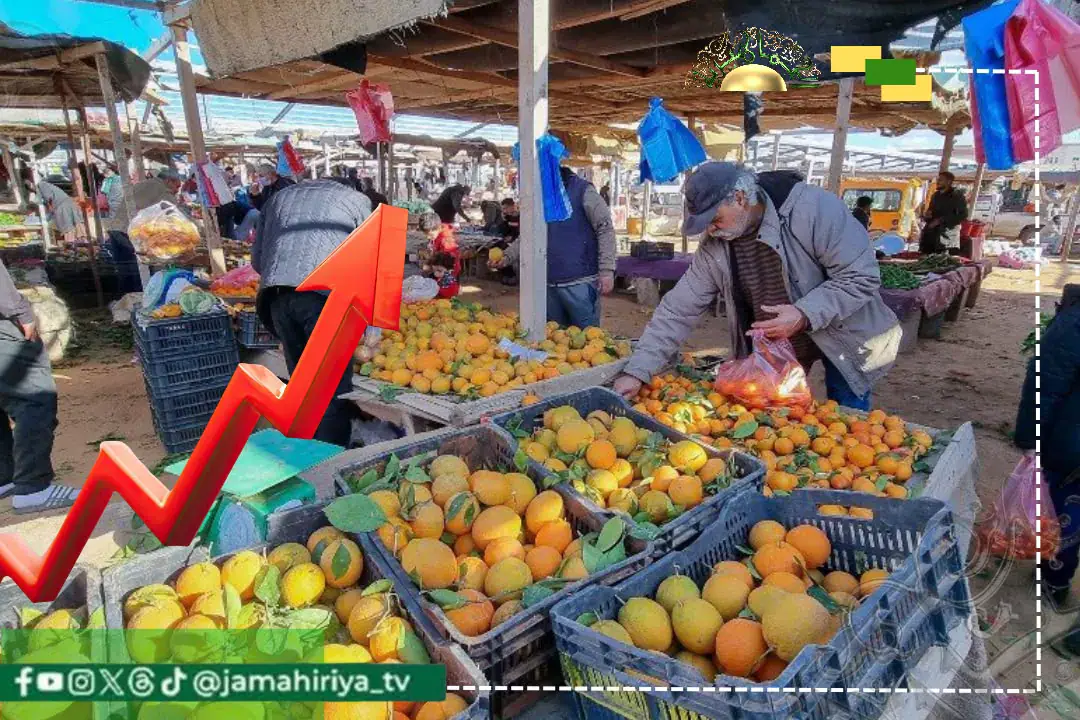
The human rights platform Rased has expressed concern over Libya's rising food inflation, which has reached 21.2%. According to Rased's report, the increase in food prices is outpacing income growth, leading to a decline in household purchasing power. This is particularly affecting employees and those with limited incomes, who are being forced to reduce their spending and forego certain essential food items.
The report highlights that prices of meat, dairy products, oils, and grains have increased significantly. As a result, many Libyan households are being compelled to cut back on protein-rich foods and opt for cheaper alternatives. Furthermore, some families are resorting to buying on credit and relying on family support to meet their basic needs. This trend is likely to exacerbate food insecurity and poverty in the country.
Rased has warned that the effects of rising prices are now being felt by the middle class, as salaries fail to keep pace with inflation. The organization's report notes that many households are having to adjust their spending habits, prioritizing only essential food items. This shift in spending patterns is a clear indication of the strain that inflation is placing on household budgets.
The lack of up-to-date official statistics on poverty levels in Libya has been criticized by Rased. The organization argues that accurate data is essential for understanding the scope of the problem and developing effective solutions. As the country grapples with rising living costs, it is essential that policymakers take action to address the root causes of inflation and support vulnerable households.
The situation is particularly challenging for those on fixed incomes, who are finding it difficult to make ends meet. With prices continuing to rise, many Libyans are being forced to make difficult choices about how to allocate their limited resources. The impact of inflation on household budgets is likely to have far-reaching consequences for the country's economic and social stability.
Rased's report has highlighted the need for urgent action to address the issue of food inflation in Libya. The organization is calling for policymakers to take steps to support households and mitigate the effects of rising prices. This may involve measures such as subsidies, price controls, or other forms of assistance to help vulnerable families.
The surge in food inflation has significant implications for Libya's economic and social development. With many households struggling to make ends meet, there is a growing need for targeted support and assistance. As the situation continues to unfold, it is essential that policymakers and stakeholders work together to develop effective solutions to address the challenges facing Libyan families.
Key points
- Food inflation in Libya has reached 21.2%, straining household budgets and exacerbating poverty.
Reporting sources
- راصد: تضخم أسعار الأغذية يقفز إلى 21.2% ويعمق معاناة الأسر الليبية · Aljamahiriya TV