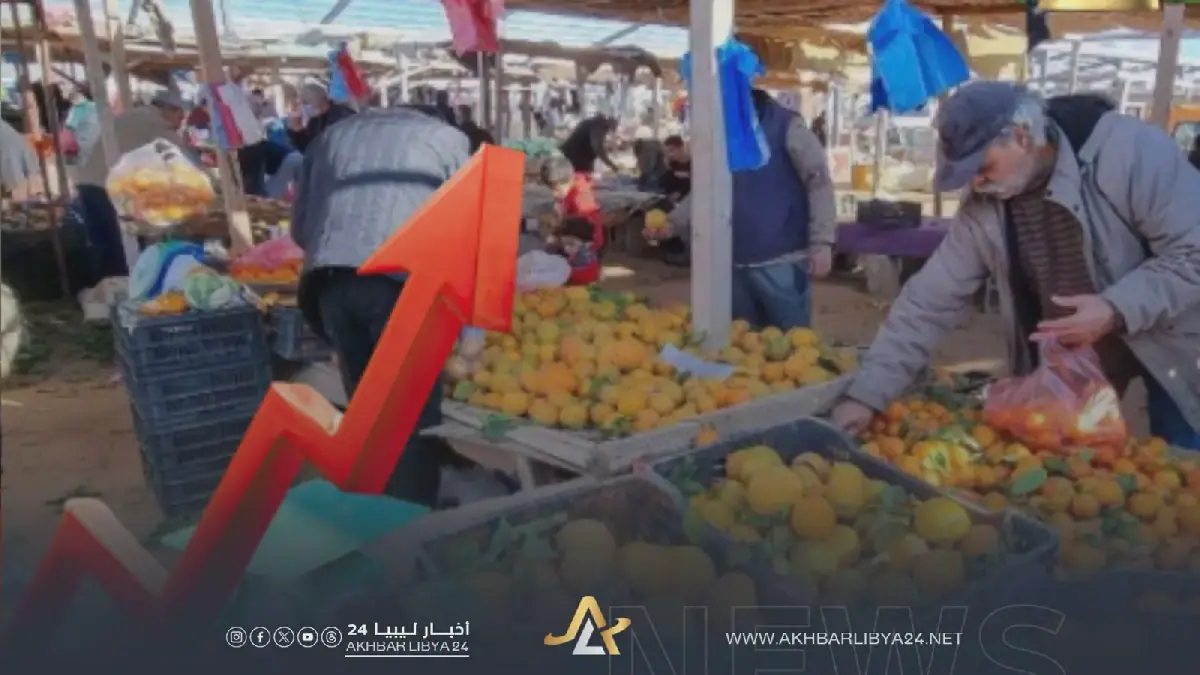
Libya is experiencing a significant surge in food inflation, with prices rising 21.2%, according to the "Rassad Human Rights" platform. This increase has severely impacted the purchasing power of Libyan families, particularly those with limited incomes. As prices continue to rise, households are struggling to afford basic necessities, leading to a decline in their standard of living.
The rising cost of food has forced many families to reevaluate their spending habits, prioritizing essential items over discretionary purchases. The price hikes have affected various food categories, including meat, dairy products, oils, and grains. As a result, families are opting for cheaper alternatives, compromising on the diversity of their diet. This shift in consumption patterns highlights the challenges faced by households in coping with the increasing cost of living.
The effects of inflation are not limited to low-income families; even middle-class households are feeling the strain. With salaries not keeping pace with inflation, many families are struggling to maintain their previous levels of spending. The erosion of purchasing power has led to a decrease in the overall quality of life, as households are forced to make difficult choices between essential expenses.
To cope with the rising costs, some families are resorting to borrowing money or relying on financial support from relatives. This has led to increased financial burdens, as households struggle to manage their expenses and debt. The situation is further complicated by the lack of official statistics on poverty and living standards in Libya, making it challenging to assess the full impact of inflation on households.
The absence of reliable data on income, expenditure, and food prices hinders the development of effective social and economic policies. Without accurate information, it is difficult to identify the most vulnerable households and target support to those who need it most. The lack of data also makes it challenging to evaluate the effectiveness of policies aimed at mitigating the effects of inflation.
The crisis extends beyond just rising prices, affecting not only the availability of food but also the ability of households to afford it. The changing consumption patterns and increased reliance on debt and support from relatives underscore the severity of the situation. As Libyan families struggle to make ends meet, there is a growing need for policies that address the root causes of inflation and support households in maintaining a stable standard of living.
Addressing the crisis will require a multifaceted approach that includes containing inflation, enhancing purchasing power, and providing reliable data on poverty and living standards. By understanding the scope of the crisis and its impact on households, policymakers can develop targeted interventions to protect families from the erosion of their incomes and the deterioration of their food security.
Key points
- Food prices in Libya have risen 21.2%, significantly eroding the purchasing power of households.