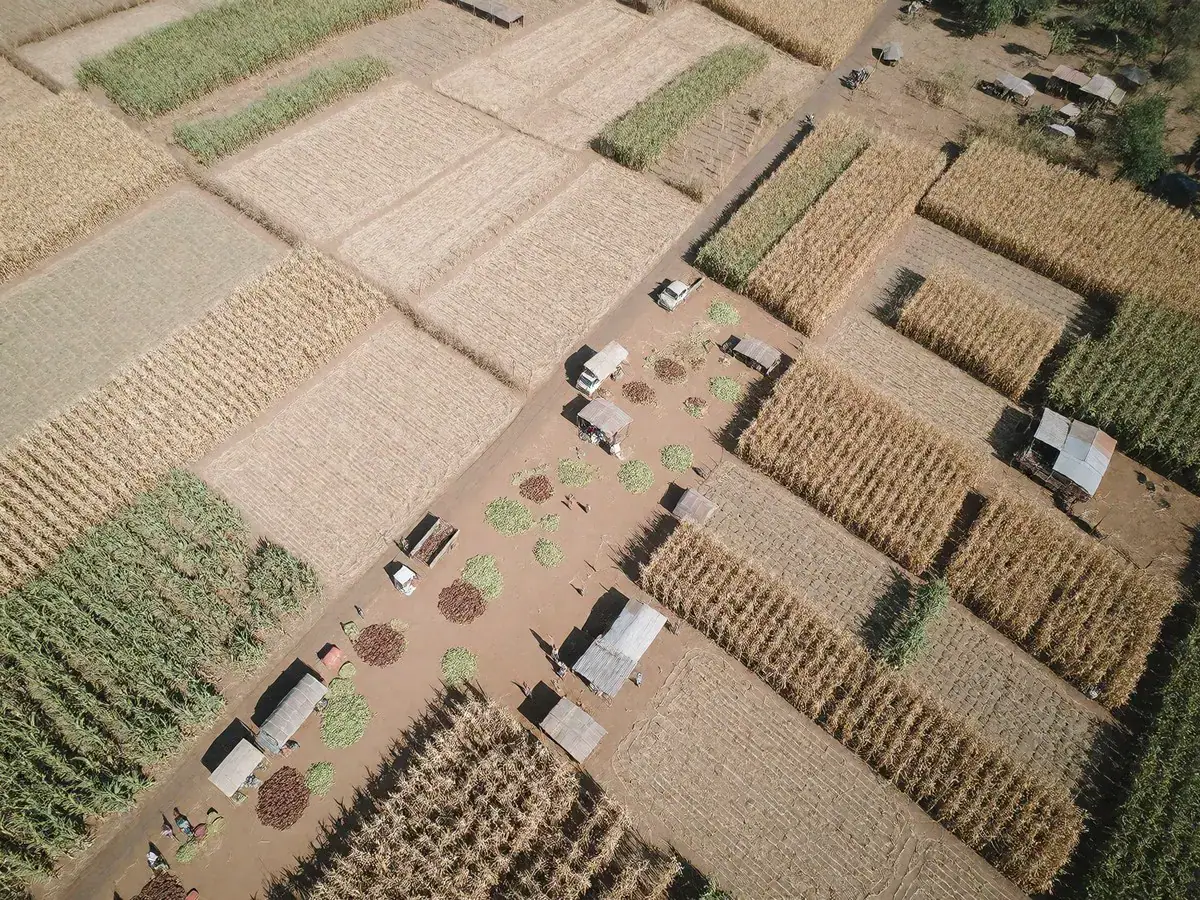
A growing food glut in Ghana has left farmers and market women facing significant financial losses. According to Frank Annoh-Dompreh, the Minority Chief Whip and Member of Parliament for Nsawam-Adoagyiri, farmers invest heavily in cultivating crops such as maize, rice, cassava, yam, and soya beans but struggle to find buyers after harvest. This has resulted in some farmers receiving prices below their production costs, making it difficult for them to recover their investments, repay loans, or pay workers for the next planting season.
The situation has also affected market women, who struggle to sell produce due to a lack of purchasing power among consumers. Annoh-Dompreh warned that if farmers abandon agriculture because they cannot sell their harvests, Ghana could shift from a food glut to food shortages. This crisis highlights weaknesses in the connections between production, market demand, storage, processing, and distribution. The Minority Chief Whip argued that the situation raises constitutional concerns regarding the State's duty to promote economic development and welfare.
Annoh-Dompreh questioned the effectiveness of the National Food Buffer Stock Company (NAFCO) and government spending on food reserves. According to reports, NAFCO has a total storage capacity of 129,000 metric tonnes, but only 40,000 to 44,000 metric tonnes are usable. The 2026 budget allocations for food reserves and strategic food stockpiling initiatives were also criticized, with Annoh-Dompreh demanding that these financial allocations translate into tangible relief for farmers.
The Minority Chief Whip proposed a seven-point intervention to rescue the sector, including an emergency food-purchasing programme through NAFCO with transparent pricing and prompt payments to farmers. He suggested that public institutions prioritize buying local food, subject to quality and value-for-money requirements. Annoh-Dompreh also called for an audit of public warehouses, rehabilitation of unusable facilities, and expansion of infrastructure in farming communities.
Annoh-Dompreh recommended that the government strengthen food processing to turn surplus produce into commercially viable products. He proposed restructuring viable agricultural loans and providing affordable working capital to market women-led cooperatives. Improved distribution through aggregation centres, organized transportation, digital market information, and partnerships involving farmer cooperatives and market associations were also suggested.
Annoh-Dompreh demanded that the Minister for Food and Agriculture provide Parliament with detailed information on the volume of unsold produce by commodity and region, the number of affected farmers and cooperatives, and the current usable storage capacity. He also called for the parliamentary committees for Food, Agriculture and Cocoa Affairs; Finance; and Trade, Industry and Tourism to visit affected farming communities and markets.
The crisis has significant implications for Ghana's food security and economy. Annoh-Dompreh stated that farmers need buyers rather than sympathy, and a time-bound national intervention plan with clear targets and implementation timelines is necessary to address the situation. The government must take immediate action to support farmers and traders affected by the food glut.
Key points
- The food glut has resulted in significant financial losses for Ghanaian farmers and traders.
- The Minority Chief Whip has proposed a seven-point intervention to rescue the sector.
- The crisis highlights weaknesses in Ghana's food production, storage, processing, and distribution systems.
Reporting sources
- Food glut causes financial losses for Ghanaian farmers and traders · The Statesman Newspaper