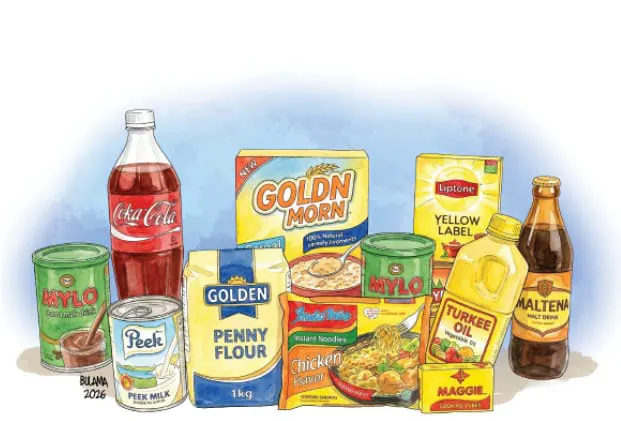
The increasing prevalence of food adulteration in Nigeria has raised public health concerns, with experts calling for a comprehensive reassessment of food safety protocols and regulatory frameworks. Food adulteration is driven by economic incentives, with individuals deliberately incorporating substances into food products to enhance their perceived commercial worth. This practice is taking a toll on public health, with many Nigerians unknowingly consuming adulterated food products.
At the Lagos State Food Safety Conference and Exhibition, experts identified potentially toxic substances used in adulterating palm oil, including Sudan and Azo dyes, recycled or spent cooking oil, and multi-adulterant mixes. The practice is driven by high demand, consumer preferences for deep-red oil, pricing discrepancies, and the difficulty of detecting current adulterants. Dr. Nurah Oseni, a senior lecturer at the Department of Food Technology, Auchi Polytechnic in Edo State, highlighted these new means of adulterating palm oil.
Food scientists and experts have expressed grave concern over the alarming increase in food adulteration. Uzoamaka Nwajagu, a food scientist, stated that she has been working to ensure food safety for six years and is baffled by the scale of adulteration. She emphasized that regulators have a major role to play in curbing this practice. Nwajagu questioned the effectiveness of regulatory bodies, such as NAFDAC and NICFOST, in handling the issue of adulterated packaged and unpackaged foods.
Stakeholders have emphasized that the inability of consumers to reliably distinguish genuine products from counterfeits necessitates a comprehensive approach to regulatory oversight, anti-counterfeiting measures, and consumer protection. They urged regulatory bodies, manufacturers, and law enforcement agencies to implement measures to prevent the distribution of unsafe products to consumers. Rita Bako, a food expert, stated that it is depressing to witness how many people die from consuming unintentional foods.
A food vendor, Blessing Morris Abari, shared her experience at a market where she saw an old woman selling adulterated seafood. The woman was using deep red colouration to make the seafood appear fresh and reddish. Experts have warned that consumption of adulterated food could expose Nigerians to serious health conditions, including cancer, kidney damage, organ failure, and developmental problems in children.
Dr. Ezekiel Ode, a food scientist and research and training officer at the Centre of Excellence in Food Technology and Research, identified common forms of adulteration, including excessive dilution of drinks and fruit juices, use of industrial dyes, substitution of ingredients, and unauthorized colourants. He warned that some industrial dyes, including Sudan dyes, could pose serious health risks due to their potential carcinogenic effects.
Experts are calling for a coordinated, risk-based food-safety system involving scientists, research institutions, manufacturers, regulatory agencies, law enforcement bodies, and market associations. They recommend regular market surveillance, random sampling, and laboratory testing of food products, as well as continuous research into affordable methods of detecting emerging forms of adulteration.
Key points
- Food adulteration is driven by economic incentives and poses serious health risks to Nigerians.
- Experts are calling for stronger regulations and a coordinated food-safety system to curb the practice.
- Consumers are advised to check expiry dates, packaging integrity, labels, ingredients, appearance, smell, and texture before purchasing food products.