The National Front for the Liberation of Angola (FNLA) is embroiled in a deepening crisis, with two factions holding rival congresses. The faction led by Nimi-a-Nsimbi is hosting its 6th ordinary congress in Luanda from Wednesday, 25, to Friday, 27, with the aim of re-electing Nimi-a-Nsimbi as party president. This move is in defiance of another faction that recently elected Carlito Roberto, son of FNLA founder Holden Roberto, as president.
The rival congresses are a culmination of the ongoing internal power struggle within the FNLA. Nimi-a-Nsimbi's faction claims its congress is the legitimate one, while the opposing faction, which elected Carlito Roberto, disputes this. The FNLA's secretary-general, Aguiar Laurindo, has stated that any activities conducted without adhering to the party's statutory requirements are illegal, and only the current president has the authority to call elections.
Lucas Ngonda, a former FNLA president, has accused Ngola Kabangu of orchestrating his removal from the party leadership and now doing the same to Nimi-a-Nsimbi. Ngonda claims that Ngola Kabangu's presence at party meetings contributed to the escalation of tensions among leaders and members. The FNLA was founded 64 years ago by Holden Roberto.
The rival congresses have created an impasse, potentially requiring intervention from the Tribunal Constitucional to determine the legitimacy of the party's representation. The FNLA's internal conflict has been ongoing, with each faction vying for control. The party's stability and future direction hang in the balance as the crisis continues to unfold.
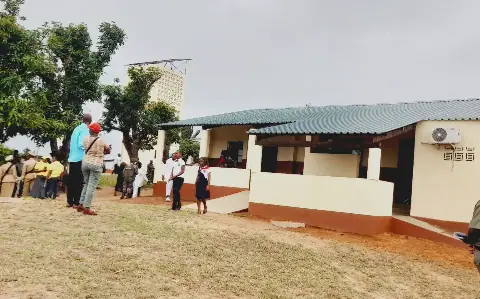
The congress led by Nimi-a-Nsimbi is taking place at the Cine São João in Luanda's Bairro Popular. The event aims to solidify Nimi-a-Nsimbi's position as party president, despite opposition from other factions. The FNLA's internal divisions have raised concerns about the party's ability to function effectively.
The situation within the FNLA has significant implications for Angola's political landscape. As the party struggles to resolve its internal conflicts, its ability to participate in national politics may be compromised. The international community and Angolan citizens are watching closely, awaiting a resolution to the crisis.
The FNLA's crisis highlights the challenges faced by political parties in maintaining internal stability and unity. As the party navigates this tumultuous period, its leaders must find a way to reconcile their differences and restore party cohesion. The outcome will have far-reaching consequences for the FNLA and Angola's democratic process.
Key points
- The FNLA's internal conflict may require Tribunal Constitucional intervention to determine the legitimacy of the party's representation.
Reporting sources
- FNLA dividida: 6º congresso ordinário da ala de Nimi-a-Nsimbi... · novojornal.co.ao