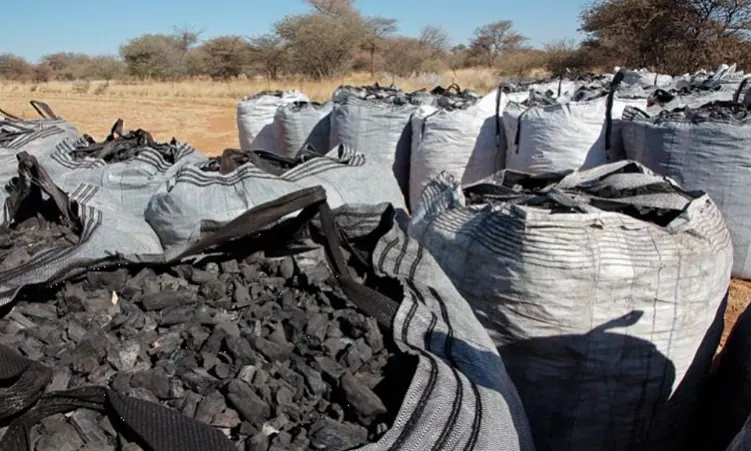
A recent foot-and-mouth disease (FMD) outbreak in Namibia's ||Kharas region is expected to have significant socioeconomic impacts on various sectors, including the charcoal industry. According to Eck Volkmann, general manager of the Charcoal Association of Namibia (Caon), the disruption to livestock farming could create an opportunity for charcoal production as farmers look for alternative sources of income. The outbreak, confirmed by the Directorate of Veterinary Services (DVS) on 23 September, was detected during routine surveillance on 22 September, when 63 cattle showing clinical signs of the disease were observed.
The FMD outbreak may lead to increased activity in Namibia's charcoal industry as farmers face reduced income from livestock. Volkmann notes that it is highly likely that charcoal production will boom as compensation for reduced farming income from livestock and small stock. However, he emphasizes that the outbreak is not an immediate concern for the charcoal industry. The potential increase in charcoal production would be linked to the financial pressure created by the livestock restrictions.
The Charcoal Association of Namibia has warned its members to strengthen biosecurity measures to prevent the disease from spreading between farms. The association has instructed its members not to transport biomass products on livestock trucks and not to transport livestock on vehicles used for charcoal or biomass. Additionally, vehicles moving from one farm to another are expected to be cleaned and disinfected, with particular attention given to tyres and undercarriages.
The DVS restrictions do not currently prohibit the movement of charcoal, wood, woodchips or biochar. However, the association has urged charcoal workers to stay away from kraals, livestock handling areas and loading points unless access is essential. Producers are also advised to keep records of vehicles, drivers, farms of origin, destinations and confirmation that vehicles and equipment have been cleaned and disinfected.
The charcoal industry will continue to monitor developments as the veterinary authorities work to contain the outbreak. Volkmann emphasizes that FMD will have many socioeconomic impacts on many sectors. The industry is taking proactive measures to prevent the spread of the disease and minimize its impacts.
The outbreak was detected in the Karasburg state veterinary district, and the DVS is working to contain the outbreak. The association's measures aim to prevent the spread of FMD and ensure the continued production of charcoal. The industry is a significant contributor to Namibia's economy, and any impacts on it could have far-reaching consequences.
The Charcoal Association of Namibia is working closely with the DVS to monitor the situation and prevent the spread of FMD. The industry is expected to play a crucial role in supporting farmers who have been affected by the outbreak. By strengthening biosecurity measures and taking proactive steps, the industry aims to minimize the impacts of the outbreak and ensure its continued growth.
Key points
- The FMD outbreak may lead to increased activity in Namibia's charcoal industry as farmers seek alternative income sources.
- The Charcoal Association of Namibia has warned its members to strengthen biosecurity measures to prevent the disease from spreading between farms.
- The industry is taking proactive measures to prevent the spread of FMD and minimize its impacts on the economy.