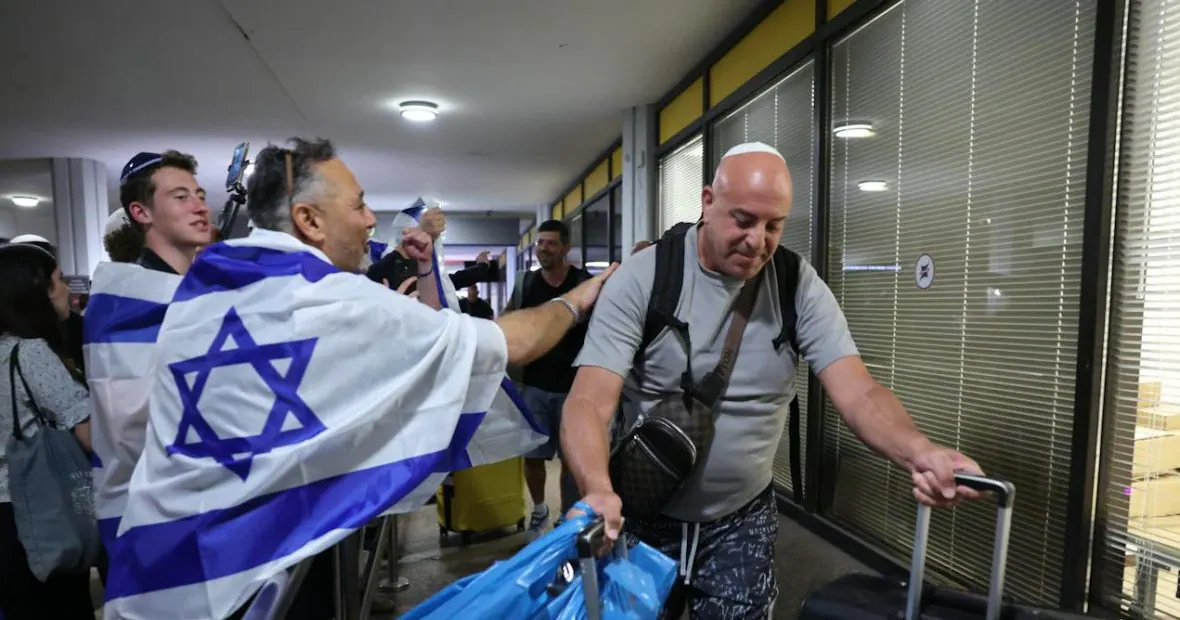
The attempted hijacking of a Flydubai flight carrying 170 mostly Israeli passengers has heightened concerns about terror threats in Israel. Prime Minister Benjamin Netanyahu swiftly incorporated the incident into his election campaign, posting videos and images on social media. He featured a passenger who stormed the cockpit, praising him for his bravery. This move aims to bolster Netanyahu's image as "the protector of Israel," a crucial aspect of his campaign with elections approaching on October 27.
Netanyahu's opponents initially criticized his pre-election warnings of potential harm to Israelis as a stunt to divert attention from his role in the October 7 Hamas attacks. However, the Flydubai incident has allowed him to claim validation for his security concerns. Despite public outcry, Netanyahu refuses to accept blame for the October 7 attack, blocking a judicial commission of inquiry. He argues that security officials failed to warn him of the impending assault, but reports suggest he received explicit warnings from high-ranking Arab officials and Hamas leaders.
Netanyahu's conceptzia, a set of assumptions about the enemy's capabilities and intentions, led him to misinterpret warnings of an impending attack. He approved the transfer of millions of dollars from Qatar to Gaza, believing it would "buy quiet." However, Israeli intelligence believes these funds fueled Hamas' military growth and underground terror infrastructure. Netanyahu's top security officials shared his conceptzia, which was influenced by a flawed understanding of Sinwar's intentions.
In the election, Netanyahu faces strong opposition from the "ABBA" bloc, with his main rival being the Yashar Party led by Gadi Eisenkot. Polls suggest Yashar will be the biggest party after the elections, but forming a coalition may prove difficult due to the diverse nature of the bloc. The coalition's success depends on the participation of the Arab Islamic party Ra'am, which was crucial in the previous government's formation.
The fate of small parties that must pass the vote threshold to sit in the Knesset is uncertain, adding a wild card to the election outcome. Recent polls have tightened between the pro- and anti-Netanyahu blocs, but the exclusion of Arab parties and the centre-right Hendel/Zelekha party may affect the results. The October 7 terror attack looms large over the election campaign, with many candidates being family members of victims or soldiers injured in the war.
The October 7 attack has dramatically shifted the views of young, first-time voters to the right. A poll revealed that the incident has made them more concerned about security. The election's outcome may again result in a deadlock, leaving Israel urgently in need of a leader who can address growing criticism over the Gaza war and rising antisemitism globally.
Netanyahu will likely continue to project himself as the leader who can meet these challenges. His campaign will focus on his security record and ability to protect Israelis. The Flydubai attack has provided him with an opportunity to reinforce his protector narrative, which may resonate with voters concerned about security.
Key points
- Netanyahu incorporates Flydubai plane attack into election campaign to validate security concerns.
- Opposition leader Gadi Eisenkot's Yashar Party may become the largest party after the election.
- October 7 terror attack significantly influences the election campaign and voters' concerns.