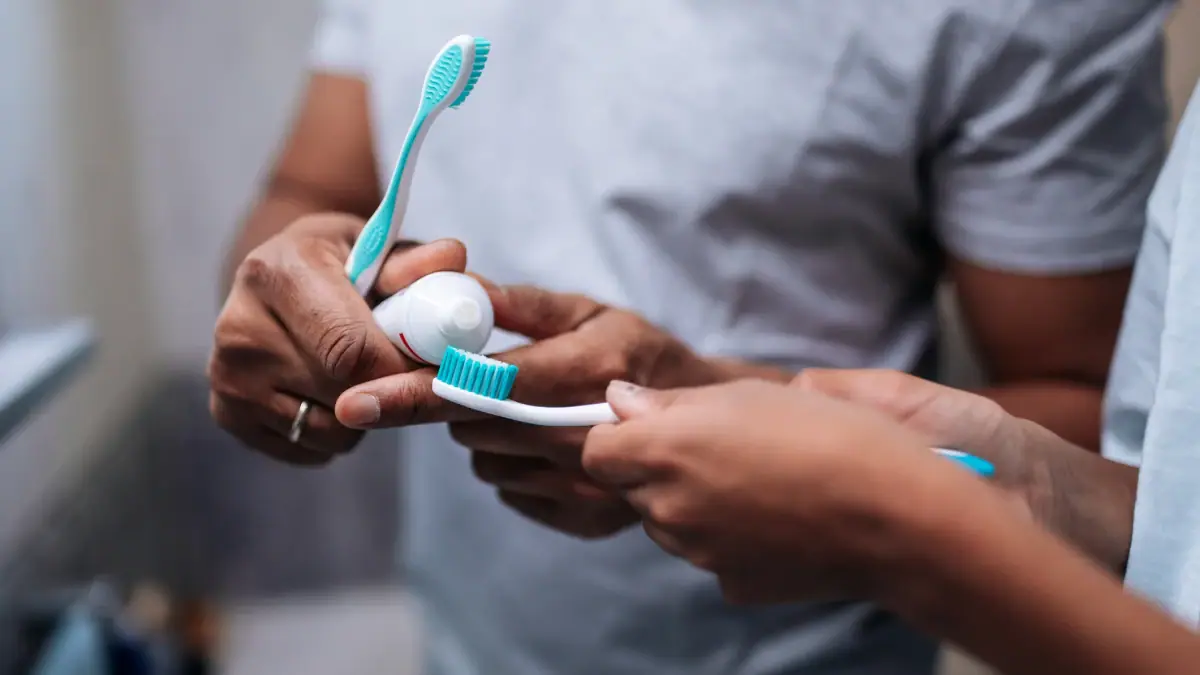
As interest in fluoride-free toothpaste grows, one product gaining attention is hydroxyapatite, a calcium phosphate mineral. Dentist Dr. Jin-Ho Phark notes that patients are inquiring about this alternative, often after seeing it promoted on social media. Hydroxyapatite is similar to tooth enamel and may help with tooth sensitivity. With traditional fluoride toothpaste having been widely available since the late 1950s, some are curious about fluoride-free options.
Fluoride toothpaste has been a cornerstone of oral health for decades, protecting teeth from cavity-causing bacteria. Dr. Livia Tenuta, a dentist specializing in preventing tooth decay, explains that oral health is linked to overall health, including heart and digestive health. The Centers for Disease Control and Prevention credits fluoride in public drinking water with reducing cavities by 25%. Despite this, some people are hesitant to use fluoride due to historical skepticism and concerns about potential health risks.
Dr. Bennett Amaechi, a professor of dentistry, notes that while fluoride is widely accepted as beneficial, there is growing interest in fluoride-free alternatives. Some research suggests that hydroxyapatite can help remineralize teeth and prevent caries. Amaechi's 2021 study in Scientific Reports found that hydroxyapatite toothpaste was as effective as fluoride toothpaste in preventing tooth decay in children.
Hydroxyapatite products, often using nano-hydroxyapatite, claim to penetrate tiny crevices in tooth enamel. While research on hydroxyapatite is promising, Dr. Tenuta emphasizes the need for more long-term studies, particularly in high-risk populations. A 2019 study in the Journal of Investigative and Clinical Dentistry found similar performance between hydroxyapatite and fluoride toothpaste in people at higher risk of caries.
The American dental community widely accepts fluoride as a crucial element in oral health. The CDC named fluoridation of public drinking water one of the top 10 great public health achievements of the 20th century. However, concerns about fluoride have led to increased interest in alternatives like hydroxyapatite.
Hydroxyapatite toothpastes tend to be more expensive than fluoride ones, with some costing over a dollar more per ounce. Despite this, patients are seeking out these alternatives, driven in part by social media promotion. Dr. Amaechi notes that early research on hydroxyapatite is positive, but more studies are needed to fully understand its effectiveness.
As the debate around fluoride-free toothpaste continues, dentists emphasize the importance of consistent oral hygiene practices. Brushing teeth twice daily with a fluoride or hydroxyapatite toothpaste can help prevent tooth decay and promote overall health. Ultimately, individuals should consult with their dentist to determine the best toothpaste for their specific needs.
Key points
- Hydroxyapatite toothpaste shows promise as a fluoride-free alternative for oral health.
- Fluoride remains widely accepted as a crucial element in oral health.
- More research is needed to fully understand the effectiveness of hydroxyapatite toothpaste.