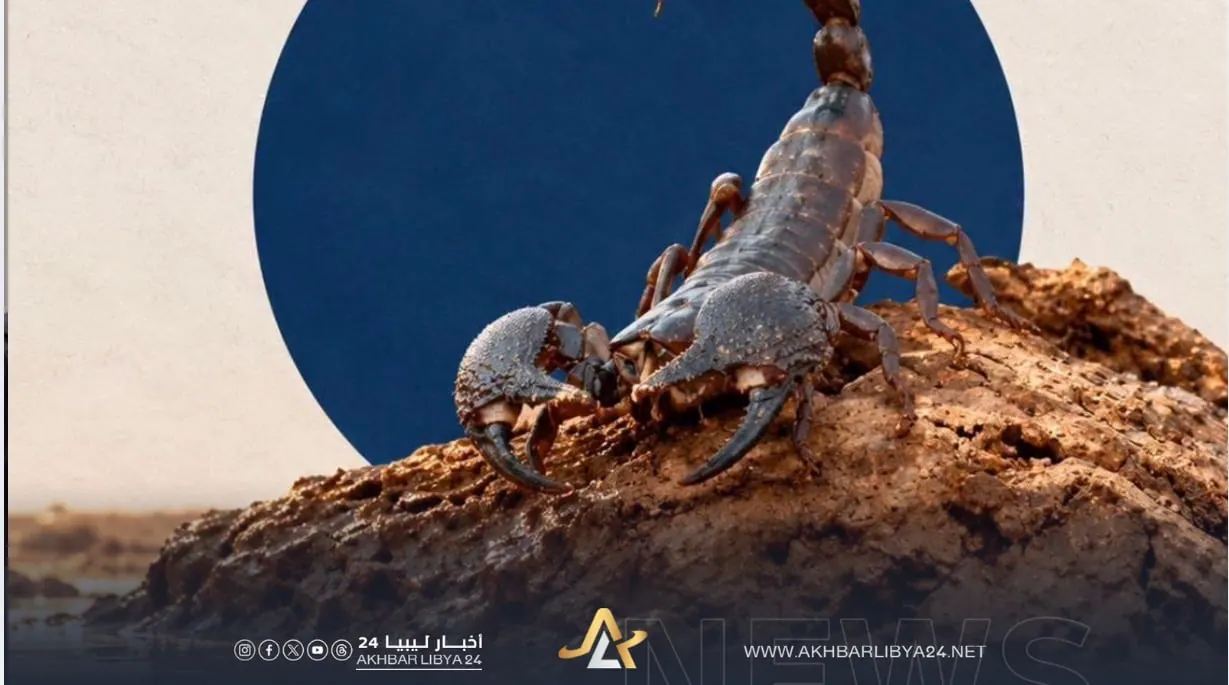
Recent floods in Libya have led to the displacement of venomous creatures, including scorpions and snakes, which have been forced to leave their natural habitats and seek new shelter. The floods, which hit several cities and regions in the country, have not only damaged homes and infrastructure but also created a new risk for residents and relief teams. As waters recede, residents are being warned to exercise caution when approaching debris and damaged areas.
The floods have created an environment conducive to the hiding of reptiles and scorpions, particularly with the accumulation of debris, rocks, and damaged furniture. Handling these remnants manually increases the risk of being stung or bitten, especially for residents trying to inspect their homes or retrieve belongings. The Libyan National Center for Disease Control has warned citizens against touching debris or furniture with their bare hands.
The situation is further complicated by the potential for some injuries to develop into serious medical conditions, particularly in children. The type and quantity of venom injected, as well as the speed of receiving medical treatment, play a crucial role in determining the severity of the situation. Past incidents have shown that scorpion stings can be a recurring health risk in several Libyan regions.
Statistics reveal the gravity of the situation, with 21 cases of scorpion stings reported in the city of Obari over two months, including one fatality. In Wadi Ataba, a five-year-old girl died after being stung by a scorpion. In Beni Walid, the general hospital received 81 cases of scorpion and snake bites over two months.
The shortage of antivenom and limited medical capabilities, particularly in remote areas, exacerbate the risks. The situation demands a high level of preparedness from health facilities and emergency response teams. Time is of the essence, especially in areas far from specialized medical centers.
As residents return to their homes and affected areas, they are advised to take extra precautions, especially when handling debris and damaged materials. Avoiding inserting hands into dark or confined spaces and not attempting to handle scorpions or snakes with bare hands are crucial safety measures.
Health authorities stress the importance of seeking immediate medical attention in the event of a sting or bite. The aftermath of the floods highlights that the risks associated with natural disasters do not end with the receding of waters, as new challenges emerge in the form of displaced wildlife.
Key points
- Residents are warned to exercise caution when approaching debris and damaged areas.
- The shortage of antivenom and limited medical capabilities exacerbate the risks.
- Health authorities stress the importance of seeking immediate medical attention in the event of a sting or bite.