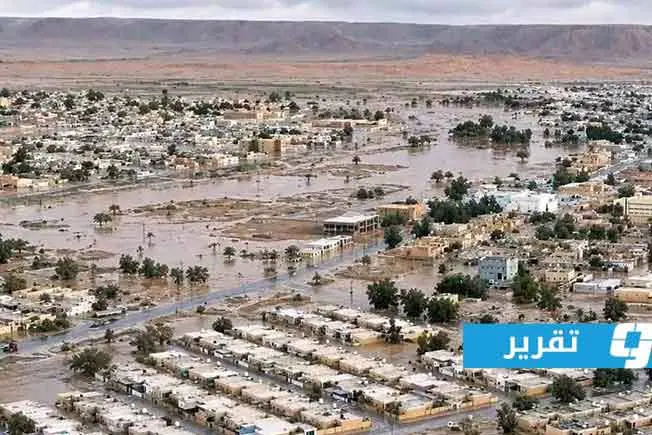
Heavy rainfall and flash floods have struck several regions in Libya, particularly in the northwest and southwest, resulting in significant human losses and material damage. The floods have overwhelmed roads, homes, and public facilities, leaving many residents to face the challenges alone. The Libyan authorities have declared a state of emergency in some areas and formed crisis management rooms to coordinate relief efforts.
The city of Mizda has been severely affected, with floods isolating the town from neighboring areas and causing power outages. The local authorities have reported injuries and missing persons, while many residents have been forced to take shelter in hospitals and other temporary facilities. The floods have also damaged homes, schools, and mosques, as well as parts of the road network and electricity grid.
In the town of Nesma, the local council has declared the area a disaster zone due to the extensive damage caused by the floods. Several high-voltage towers have collapsed, affecting the power grid, and the local hospital has been forced to close. The floods have also caused significant damage to homes and public facilities, leaving many residents without access to basic services.
The floods have also had a devastating impact on the town of Zella, where the main road and electricity grid have been damaged. The local authorities have called for urgent repairs to the road connecting Zella to Wadan, warning that further rainfall could cause more damage or even collapse. The floods have also affected homes, farms, and livestock, with many residents reporting losses.
The Libyan Ministry of Health has reported 147 injuries related to the floods, with the majority being treated at hospitals in Mizda and Nesma. The health sector has faced significant challenges, with many medical facilities lacking essential supplies and equipment. The government has deployed medical teams to affected areas to provide emergency assistance.
The floods have highlighted the need for improved infrastructure and emergency preparedness in Libya. The government has formed a crisis management room to coordinate relief efforts and provide support to affected areas. However, many residents have reported difficulties in accessing basic services, including healthcare and electricity.
The Libyan authorities have urged residents to be cautious and take necessary precautions to ensure their safety. The government has also called for international assistance to support relief efforts and help rebuild damaged infrastructure. The floods have exposed the country's vulnerability to natural disasters and highlighted the need for urgent investment in infrastructure and emergency preparedness.
Key points
- The floods have caused significant human losses and material damage in Libya, with 147 reported injuries and widespread damage to homes, roads, and public facilities.
- The Libyan government has declared a state of emergency in some areas and formed crisis management rooms to coordinate relief efforts.
- The floods have highlighted the need for improved infrastructure and emergency preparedness in Libya, with many residents reporting difficulties in accessing basic services.