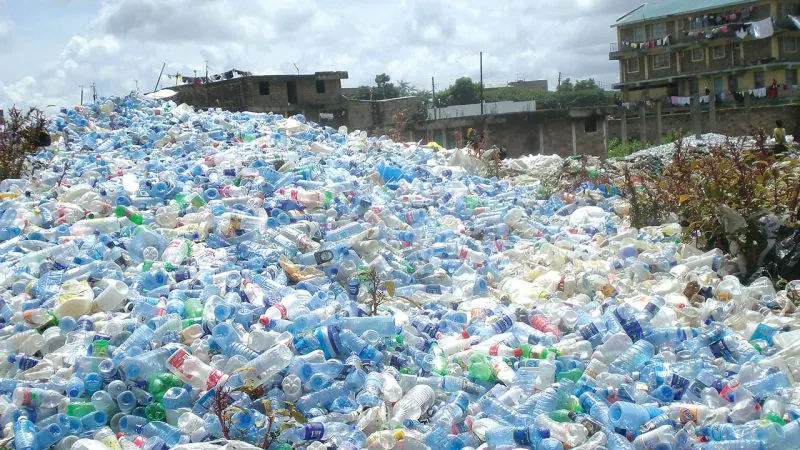
Nigeria's waste crisis is worsening, with streets nationwide lined with overflowing, rotting dumps. Residential areas, markets, waterways, highways, and undeveloped plots of land have become waste dumps. Environmental analysts blame poor waste management on insufficient funding, rapid population growth, incomplete legal frameworks, and weak enforcement of existing regulations. Additional challenges include underfunded infrastructure, a shortage of skilled personnel, and deep-rooted public carelessness regarding waste disposal.
Experts point to weak planning, inadequate data management, rapid urbanization, and overlapping institutional responsibilities as contributing factors. They also cite a disconnect between academic research and industry application, as well as a lack of political will among leaders. Mr. Williams Osaze, President of the Society for the Promotion of People’s Rights, emphasizes the urgent need for attention to indiscriminate disposal of refuse and unsanitary environments, citing risks to human health.
Osaze calls for a united plan backed by strong political will among stakeholders and government sincerity. He urges the government to coordinate various laws, policies, and international conventions to manage waste effectively. Chief Monday Itoghor, CEO of Environmental and Rural Mediation Centre, stresses the need for the government to be more aggressive and responsive in addressing plastic waste.
Itoghor notes that major challenges confronting recycling interventions in Nigeria include lack of public awareness, inadequate collection infrastructure, high logistics costs, and lack of finance. He also criticizes the inadequate implementation of the Extended Producer Responsibility (EPR) Programme. Itoghor advocates for a comprehensive law banning single-use plastics to advance local efforts to preserve the environment.
Mr. Michael Ogbonna, a climatologist, attributes the worsening environmental menace to people's attitudes, which cause harm to the environment and individuals' health. He advises individuals to find ways to make a difference in their environment daily by reducing, reusing, and recycling. Ogbonna suggests starting at home to decrease household waste.
Mr. Sola Obadimu, Director-General of the Nigerian Association of Chambers of Commerce, Industry, Mines and Agriculture (NACCIMA), states that Nigeria generates over 32 million tonnes of solid waste annually. He notes that the industrial sector accounts for over 30% of national energy consumption but operates below optimal efficiency levels. Obadimu advocates for energy efficiency improvements and cleaner production techniques to reduce waste.
The Ministry of Environment recently unveiled the National Waste Marketplace Programme (NWMP) to promote an inclusive circular economy and advance sustainable waste management in Nigeria. The Minister of Environment, Balarabe Lawal, describes the programme as an innovative digital platform connecting waste generators, collectors, aggregators, recyclers, and end-users in a transparent system. The initiative aims to modernize the sector's operational standards and promote environmental compliance.
Key points
- Nigeria generates over 32 million tonnes of solid waste annually.
- Environmental analysts blame poor waste management on insufficient funding, rapid population growth, and weak enforcement of regulations.
- Experts call for a united plan backed by strong political will among stakeholders and government sincerity to address the waste crisis.