Five European countries, including Germany, Austria, Denmark, Greece, and the Netherlands, have selected Rwanda as the first country to implement a project to send asylum seekers who have not been granted refugee status. The project, set to start in 2027, will host up to 100 asylum seekers who have completed all required legal procedures to appeal decisions on their refugee status. This was announced on November 16, 2026, during a press conference in Vienna, Austria, attended by representatives from Rwanda and the five European Union countries.
The Rwandan Minister of Security, Vincent Biruta, stated that Rwanda is committed to providing new opportunities for asylum seekers who will be sent to the country. He emphasized that Rwanda is seeking practical solutions that will have a visible impact. According to various news sources, the center will host up to 100 asylum seekers, both men and women, who have not been granted refugee status in one of the five countries. These asylum seekers must have completed all required legal procedures to appeal decisions on their refugee status.
The project does not specifically target any nationality, but children under the age of majority will not be considered. However, human rights advocates have expressed concerns that the project may also affect those who are still seeking asylum, rather than just those who have been denied. The five European countries that initiated the project deny this. The transfer of asylum seekers to Rwanda will be carried out by the authorities of the countries they come from.
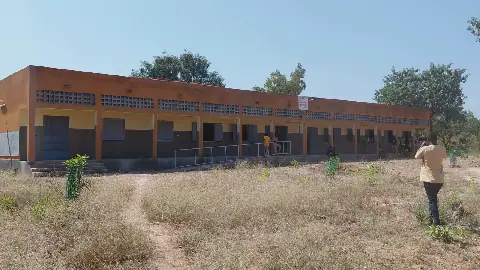
Once they arrive in Rwanda, asylum seekers will be received by the country's authorities, provided with documents allowing them to stay in Rwanda, and accommodated in centers called "Welcome Centres". The five European countries state that these centers will be open, and asylum seekers will not be detained or subjected to restrictions. The location of the center has not been disclosed, but it is known to be different from the facilities that the UK had planned to use for a similar project announced in 2022, which was later halted.
The five European countries that initiated the project state that the goal is to return asylum seekers who have not been granted refugee status to their countries of origin and to deter others from seeking to live in Europe. However, they have not disclosed what Rwanda will receive in terms of support for implementing the project. The project has raised concerns among human rights advocates, who fear that it may not provide adequate protection for asylum seekers.
The project is expected to be implemented in 2027, and the Rwandan government has expressed its commitment to providing a safe and welcoming environment for the asylum seekers. The government has also emphasized its efforts to address the root causes of migration and to provide support to those who are forced to flee their homes.
The decision to send asylum seekers to Rwanda has sparked a debate about the European Union's asylum policies and the need for a more comprehensive approach to addressing migration. The project has also raised questions about the capacity of Rwanda to host asylum seekers and provide them with adequate support and services.
Key points
- The project aims to return asylum seekers who have not been granted refugee status to their countries of origin and to deter others from seeking to live in Europe.
Reporting sources
- Ibihugu 5 by’u Burayi bigiye kohereza abimukira mu Rwanda · Isango star Radio